Lacquered Bedside Table Care for Singapore Homes
Living in Singapore means treating humidity, heat, condensation, and frequent hand contact as normal parts of everyday furniture care. These conditions are especially important for a lacquered bedside table, which may combine solid timber, painted surfaces, and a glossy or satin finish. Even a well-made nightstand can develop haze, fingerprints, fine scratches, or swollen joints if moisture is allowed to linger.
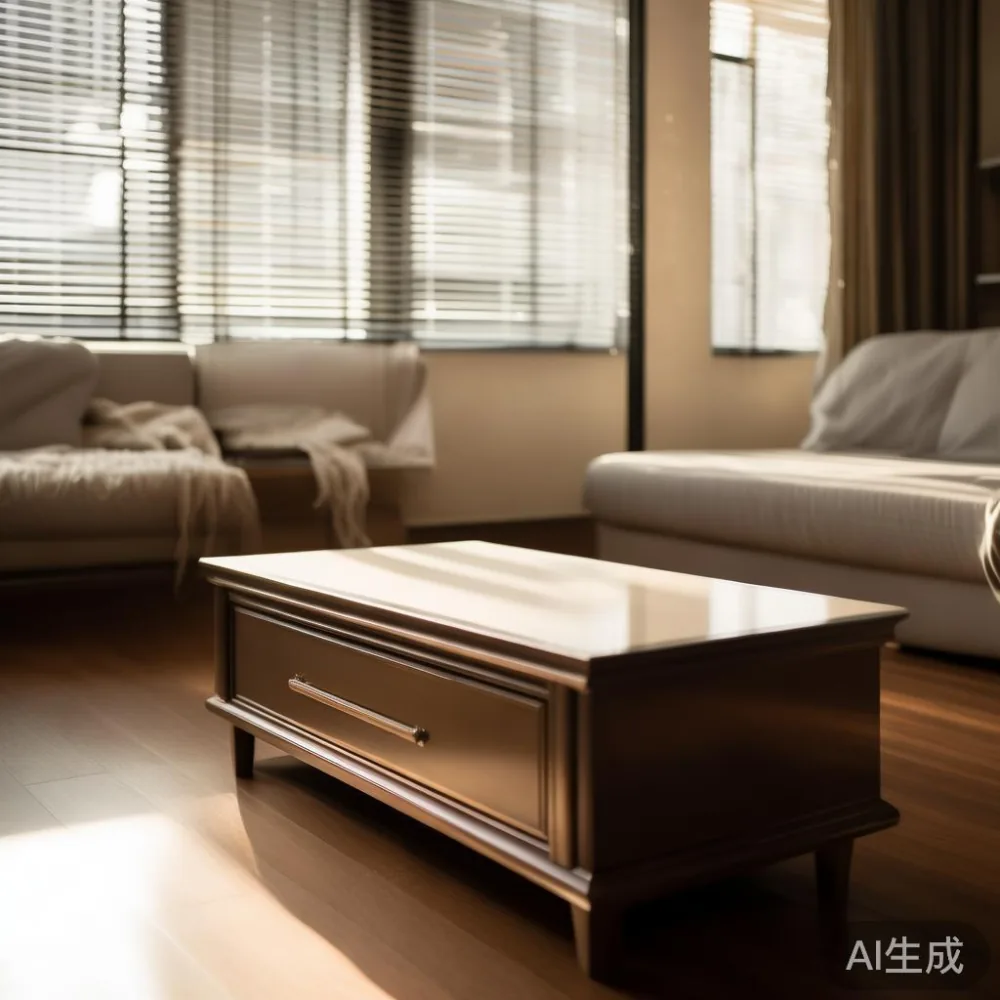
This guide explains how to care for a lacquered bedside table in HDB flats and private condos across Tampines, Bedok, Punggol, and other districts. The advice also suits busy households where a bedside table holds a phone, glass of water, medication, lamp, and charging cable within reach every night.
MIDHILL has manufactured solid wood furniture since 2008 and exports to more than 15 countries. Its commitment to a 10-year structural warranty and lifetime refinishing service provides useful context, although surface care still depends on sensible daily habits. A lacquered finish may be replaceable; preventing moisture damage is more practical than restoring a finish repeatedly.
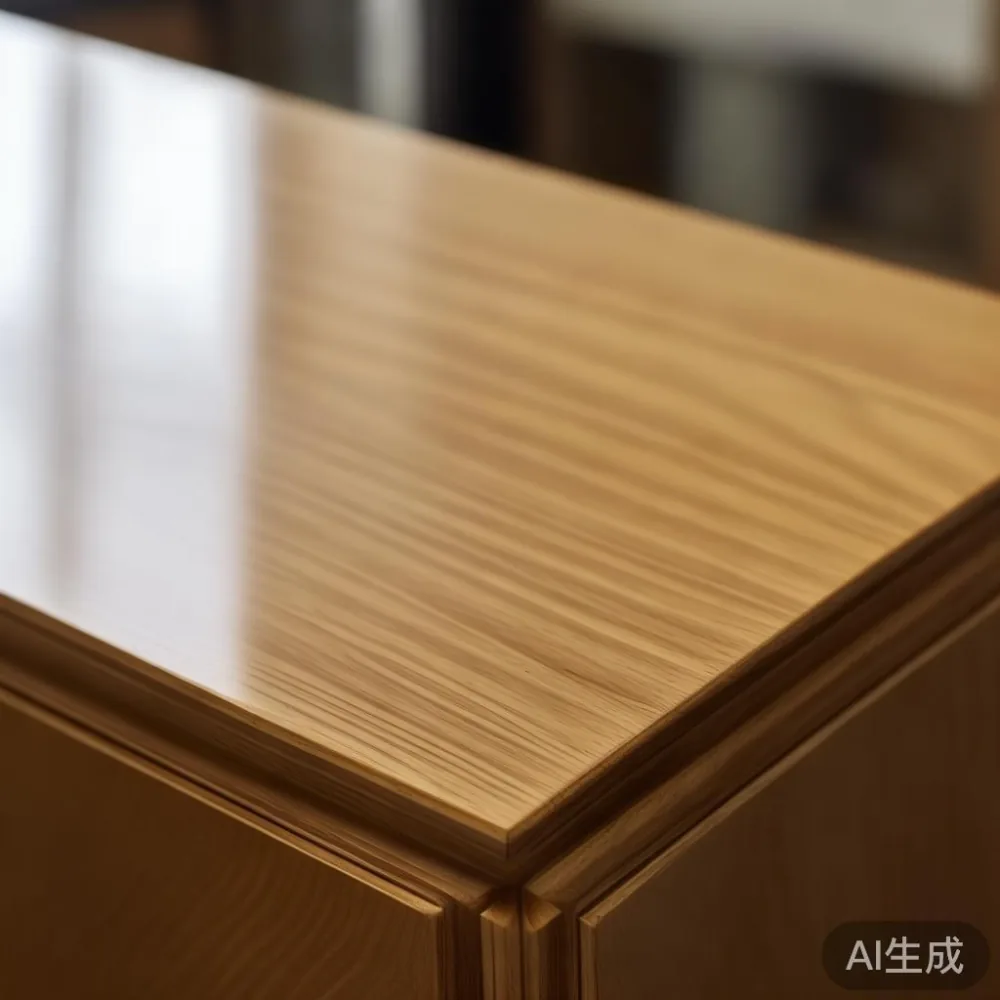
What makes lacquer care different in Singapore?
Singapore’s climate can remain humid throughout the year, while air-conditioned bedrooms create a repeating cycle of cooling and warming. Relative humidity commonly ranges from about 60% to 85%, and nighttime condensation may form on a cold glass placed beside the bed. Direct sun can also heat a west-facing bedroom window in the late afternoon, raising the surface temperature of a lacquered bedside table.
Wood expands and contracts as its moisture level changes. A lacquer film slows moisture movement, but it cannot make the underlying timber immune to damp conditions. A small bedside table might measure 45 cm wide, 40 cm high, and 35 cm deep, yet only three or four exposed edges can allow moisture to enter if the finish is breached. Even a larger 60 cm nightstand should be treated with the same care.
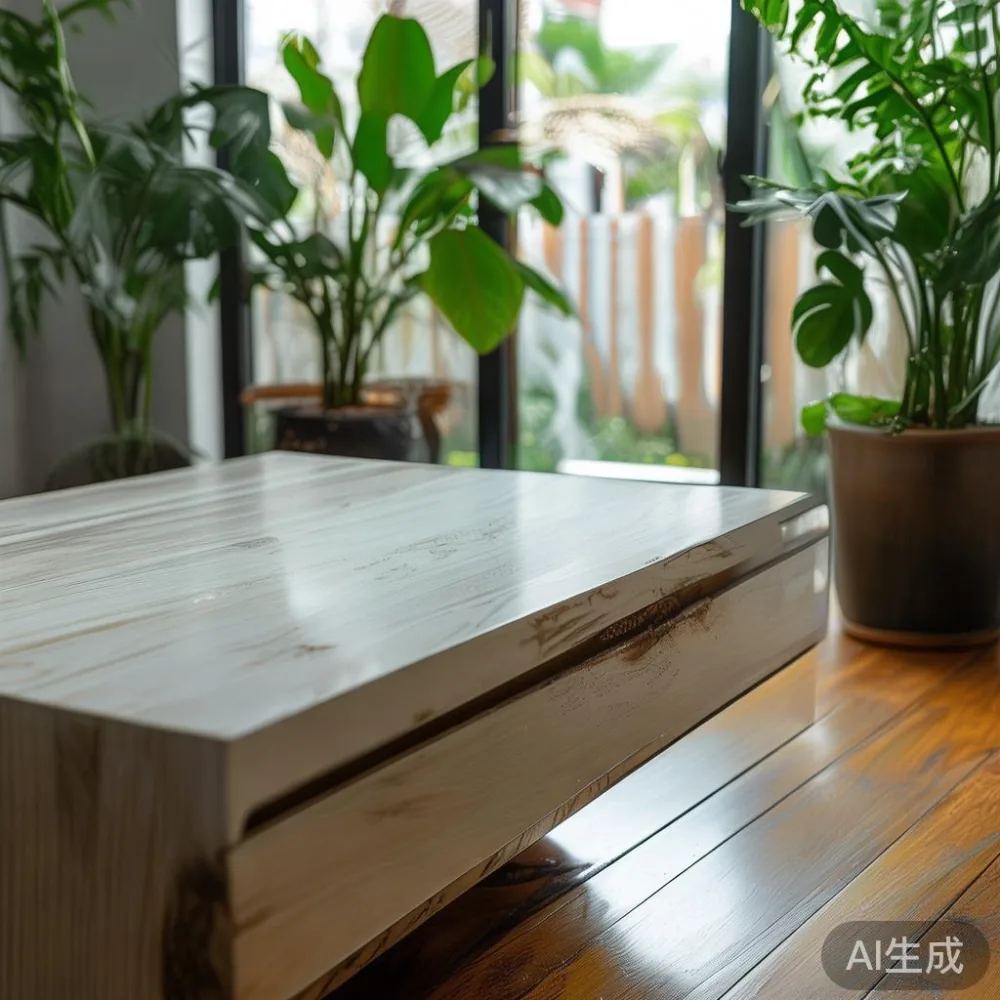
For solid wood components, aim for indoor conditions around 45% to 60% relative humidity where possible. In a typical HDB flat, this might mean running the bedroom air conditioner for 1 to 2 hours before sleep and avoiding a tightly closed room during the day. In a condo with dehumidification, keep doors and windows closed while the system operates. Use a hygrometer placed near, but not directly against, the nightstand; readings above 65% suggest that ventilation or moisture control needs attention.
Do not place a steaming cup, ice-cold drink, damp washcloth, or bottle of mineral water directly on the lacquer. Condensation can undercut a film that otherwise appears intact. Use a coaster with a base of at least 8 cm, leaving at least 2 cm between the drink and the nearest edge of the tabletop.
How should I clean a lacquered bedside table?
Begin by removing loose dust with a dry microfibre cloth. Dust the top, drawer fronts, legs, handles, and the narrow areas beside the bed every 7 days. Avoid feather dusters because they can redistribute particles onto the lacquer rather than capture them.
For routine cleaning, dampen a second microfibre cloth with plain water and wring it until no droplets fall from the fabric. Wipe the surface gently, then use a clean dry cloth immediately afterwards. The cloth should feel barely damp, not wet. A 30 cm square cloth is suitable for a compact bedside table, while a 40 cm cloth covers a wider model more efficiently.
Use a small amount of mild dish soap only when a sticky mark remains. Mix approximately 5 ml of detergent into a 500 ml bottle of water, dampen the cloth, and test a concealed 5 cm area first. After cleaning, wipe once with clear water and once with a dry cloth. This process should take less than 2 minutes for an ordinary nightstand.
Never soak the surface, flood the joints, or spray cleaner directly onto the furniture. A 250 ml trigger bottle with a narrow nozzle can help control where the liquid goes, but spraying onto the cloth is still preferable. Keep liquids away from electrical sockets and charging cables. Switch off and unplug any lamp before moving it, and route the cable so that it does not rub against a drawer or the lacquered edge.
Alcohol, ammonia, acetone, paint thinner, bleach, and acidic glass cleaners can soften or strip lacquer. Even “natural” vinegar is not ideal because its acidity can dull the sheen over repeated use. If a stain resists the mild method, ask the furniture maker whether the specific finish can be refinished rather than experimenting with a stronger chemical.
How do I prevent scratches, haze, and peeling?
Place the bedside table where it will not repeatedly touch a wall, bed frame, or tightly packed corridor furniture. In an HDB bedroom with a common corridor width of about 90 cm, two people moving furniture at the same time may scrape a lacquered nightstand against the doorframe. Remove it before deliveries or renovations and carry it with two people if it weighs more than 15 kg.
Use felt pads beneath the feet, but check them every 3 months. A 2 mm pad is suitable for most level floors; replace it if it is compressed, torn, or no longer protects the surface. Do not slide a nightstand across the floor. Lift it instead, protecting the corners with a 5 mm layer of cardboard or moving blanket. A solid wood bedside table may weigh 12 to 25 kg depending on its dimensions and construction, so two-person lifting is sensible above 15 kg.
Keep pets away from the table during training, particularly if they repeatedly rub against the lacquer. Put a 20 cm clear acrylic mat over an area where claws are likely to land, but allow air to circulate around it. Coasters and placemats reduce local heat and abrasion. Avoid placing rough ceramic objects directly on a satin finish because their unglazed bases may scratch it.
For a bedroom with strong afternoon sun, use a sheer curtain with a visible light transmittance of roughly 40% to 60%. UV exposure can fade coloured lacquer and weaken the film over time. Inspect the finish under daylight once a month. Haze appears as a cloudy film, fingerprints as dull patches, and peeling as a lifted edge or small flakes.
What should I do if moisture reaches the lacquer?
Act promptly when a drink spills, condensation forms, or a damp cloth touches the bedside table. Blot the liquid with a clean dry microfibre cloth; do not rub it across the surface. If moisture reaches a joint or the underside of a drawer, leave the drawer open by about 10 cm and allow the area to air-dry for 12 to 24 hours.
Position the table away from exterior walls and air-conditioning outlets while it dries. A fan moving air across the surface at low speed can help, provided it does not blow dust onto wet lacquer. Do not use a hair dryer on a warm setting because concentrated heat can blister the finish. Keep the room between 23°C and 27°C during drying where practical.
If the lacquer lifts, blisters, or exposes damp wood, stop applying household products. Cover only the affected area loosely with a clean sheet, then contact a qualified repairer or the manufacturer. For MIDHILL orders, the 10-year structural warranty may apply to qualifying construction issues, while the lifetime refinishing service offers a route for restoring a compatible lacquered finish. Warranty eligibility should be confirmed with the supplier before shipping a piece back.
Minor surface marks may respond to a finish-compatible touch-up product, but colour and sheen should be checked on a hidden section first. Allow 48 hours for the repair area to settle. Deep gouges, swelling, or finish separation usually need professional treatment because sanding through the lacquer can expose the timber beneath.
How often should a lacquered bedside table be maintained?
A simple schedule makes consistent care easier to manage:
- Daily: Clear cups, bottles, medication, and damp items away from the surface. Check that coasters remain under drinks.
- Every 7 days: Dust with a dry microfibre cloth and wipe reachable lacquer with a barely damp cloth.
- Every 30 days: Check the underside, drawer runners, feet, edges, and finish for haze, scratches, swelling, or lifting.
- Every 3 months: Clean the gaps around handles and switches, inspect felt pads, and review bedroom humidity.
- Every 12 months: Assess whether the finish needs professional maintenance, particularly in a west-facing room or an un-air-conditioned bedroom.
For a second-hand lacquered nightstand, start with a full moisture inspection. Look beneath the table, inside the drawer, and along the lower edges. Press a dry wooden ruler gently against swollen areas; a waviness greater than 2 mm is a reason to stop treating it as a normal cosmetic defect. Smell can also indicate dampness, although a musty room should not automatically be attributed to the furniture.
Do not apply wax unless the finish manufacturer recommends it. Some household care products contain silicone that creates a temporary shine but traps moisture or makes future refinishing difficult. Test any product on a 5 cm section for 48 hours before using it around the whole bedside table.
How should I coordinate the nightstand with the rest of the bedroom?
A well-proportioned bedside table should sit close enough to the bed for convenient access without touching a moving headboard or mattress edge. Allow 5 cm between the table and the bed frame, and check the clearance needed to open a drawer fully. A lamp base of 18 cm needs a surface area at least 5 cm wider on each side, while a 25 cm table may suit a compact HDB bedroom better than a bulky model.
Design language should also be considered. Searching for an Italian light luxury nightstand may lead towards a formal bedroom, while a pale, restrained solid wood design can fit HDB interiors more comfortably. The phrase light luxury bed vs Nordic bed can also describe distinct visual approaches, but a new bed frame, wardrobe, dining table, solid wood sofa, or marble table should not be allowed to overpower the bedside table’s practical role.
The same restraint applies when browsing for sale Italian light luxury furniture, for sale French provincial furniture, cheap Mid-century modern furniture, or a best Coastal sofa for 2026 for another room. These searches can help identify compatible proportions, yet a cheaper accessory may introduce a different finish quality that does not match the lacquer. For a coordinated bedroom, compare timber tone, sheen, edge profile, and hardware rather than relying only on style labels.
A French light luxury direction can pair a lacquered bedside table with curved silhouettes and muted cream or taupe colours. American light luxury often leans towards clean lines and darker metal details. Post-modern light luxury may use restrained geometric forms with a touch of contrast. In all three cases, the bedside table should remain visually quiet enough to hold a glass of water, book, and lamp without becoming cluttered.
How do delivery and returns affect furniture care?
Measure the HDB lift, corridor, stair landing, bedroom door, and final table position before delivery. A common HDB lift may measure about 90 cm wide and 140 cm deep, but older blocks and building renovations vary. Leave at least 10 cm of clearance around the packaged bedside table. If a package exceeds the available route, request a sectional or flat-pack delivery plan rather than forcing it through.
For MIDHILL purchases, free shipping applies above US$350, or approximately SGD 470 at an indicative exchange rate of about SGD 1.34 per US dollar. Delivery times, taxes, and the final Singapore cost should be confirmed before payment. Singapore’s 9% GST is added where applicable. A 14-day returns policy provides a defined window for checking the item, but lacquer damage caused by moisture or misuse after delivery may not qualify.
Inspect the bedside table within 24 hours of arrival. Check the finish under daylight, run a dry cloth over every surface, open and close each drawer, and confirm that all feet are level. Photograph any transit mark before moving the table. Keep packaging for at least 14 days if return eligibility may be needed, but store the carton in a dry area with a maximum humidity around 60%.
For a bedroom in Tampines, Bedok, or Punggol, arrange delivery when the route is clear of renovation debris and rain. Singapore’s afternoon showers can increase humidity at a service entrance, so the table should not be left outside even for 30 minutes. Carry it directly indoors, keep it away from wet umbrellas, and allow the packaging to remain closed until the finish has acclimatised to the room for 24 hours.
The goal is not to make a lacquered bedside table maintenance-free. It is to keep moisture away from the edges, reduce abrasion at the top, and respond to small marks before they become larger. With a 10-minute weekly clean, a monthly inspection, and careful placement, a solid wood bedside table can retain its finish and remain a durable part of a Singapore bedroom for many years.