Bedside Tables for Small Singapore Homes: Light-Luxury Styling with Clever Scale
A compact HDB flat in Tampines or a condominium bedroom in Bedok can still feel calm, generous and carefully composed. The difference often comes down to what sits beside the bed. A bedside table is useful for a lamp, phone, glass of water and book, but it also influences the bedroom’s visual weight. Choose the wrong footprint and a 90 cm-wide wall suddenly feels tighter; choose the right one, and the same room can appear larger.

This guide explains how to select, position and style a bedside table for Singapore homes, with measurements that account for narrow lift lobbies, HDB corridors and common condominium layouts. Prices are shown in SGD, while delivery timing reflects the practical distance from Foshan to Singapore.
How narrow can a bedside table be in a small HDB bedroom?
A bedside table does not need to be square to be useful. For a compact bedroom, look for a width of 35–45 cm and a depth of 30–38 cm. That gives a phone, charging cable and 150 ml water glass room without taking over the space beside a 90 cm or 100 cm bed. A height of 45–55 cm usually aligns closely with the mattress top, which makes the surface convenient to reach.
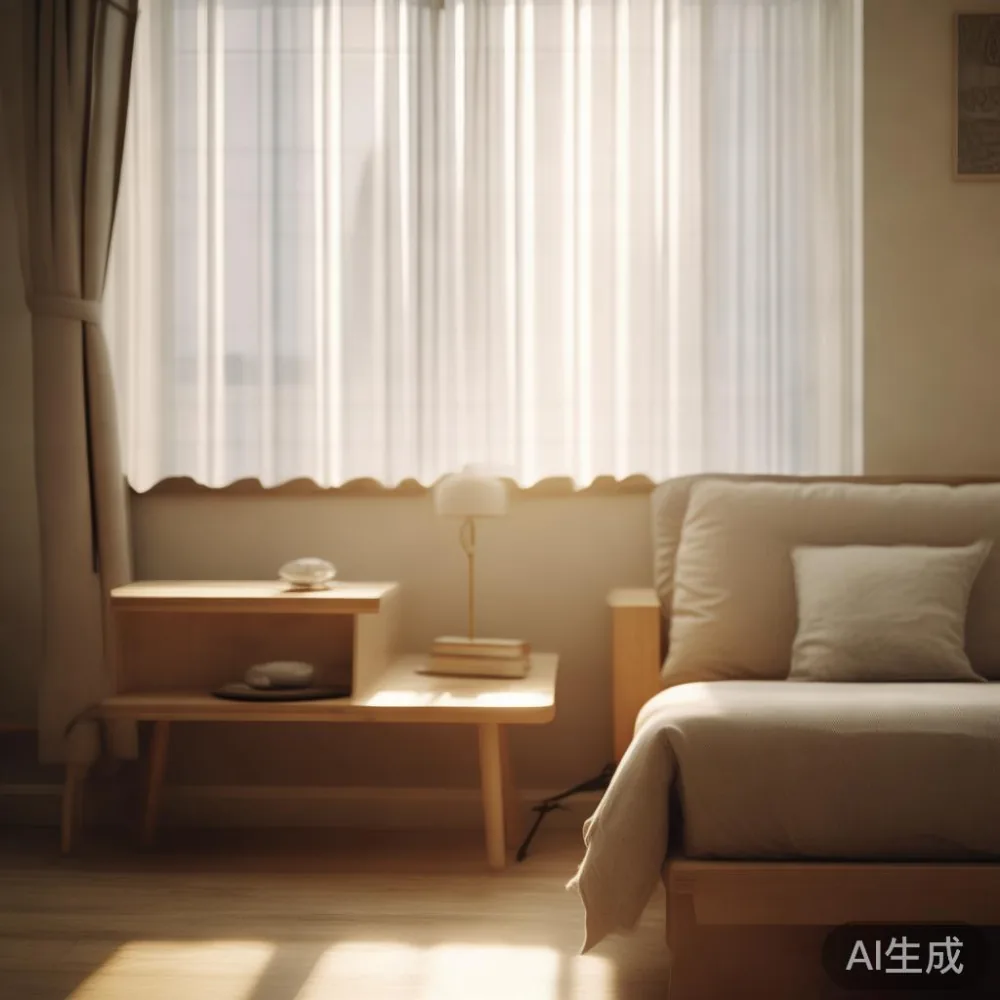
Measure before shopping, including the skirting, socket position and the part of the door that opens toward the bedside table. Leave at least 60 cm for the main walking route, and avoid pinching the path between the bed and the opposite wall to less than 45 cm. For an en-suite bedroom, check whether the bathroom door swings near the table before fixing its position.
For a resident in Punggol, one practical arrangement is a narrow 38 cm table placed partly beside the bed rather than fully aligned with it. Its rear edge can sit 5–8 cm beyond the mattress line, preserving useful floor area near the foot. If there is a built-in wardrobe immediately opposite the bed, shifting the table 10 cm forward can open the sightline and make the room feel less compressed.
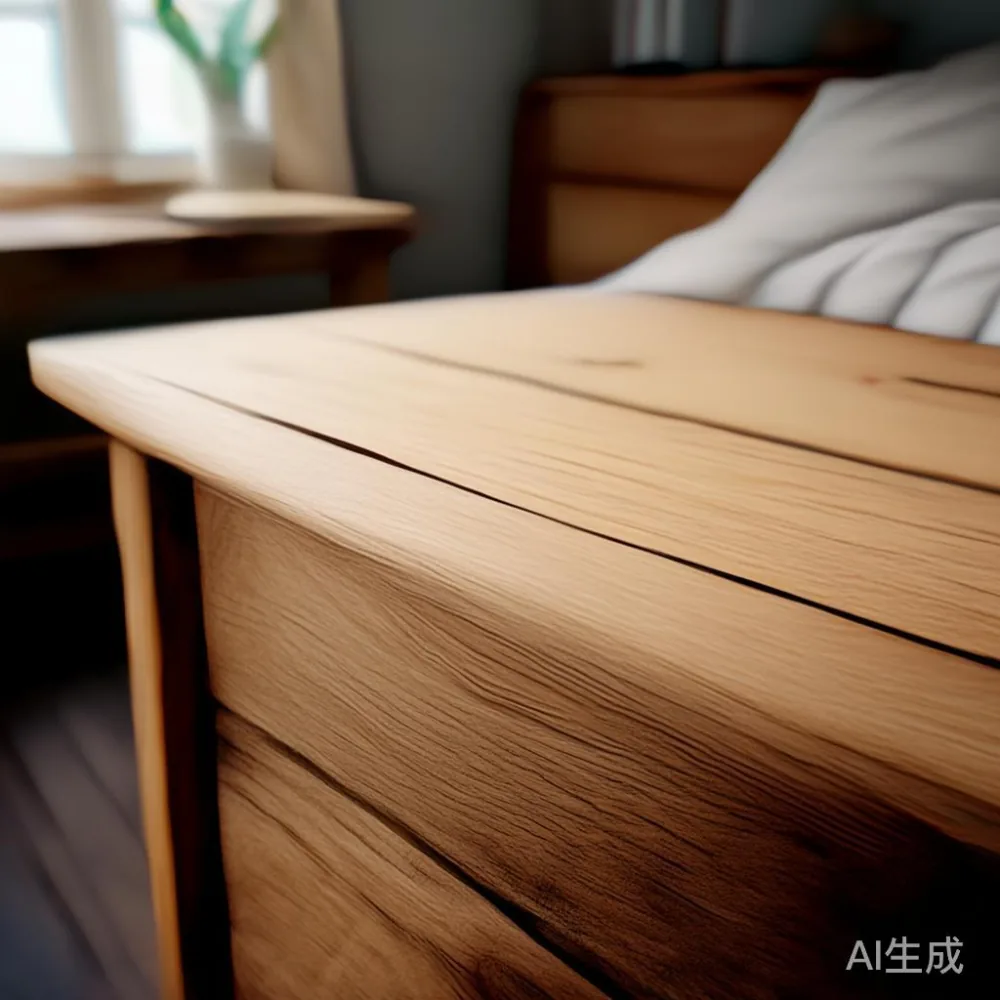
MIDHILL bedside tables are made from solid wood, with restrained proportions designed for apartments where every centimetre matters. The collection includes forms that sit comfortably under a 40–50 cm zone and finishes that can meet oak, walnut or light-ash interiors.
What size bedside table looks right beside a queen or king bed?
The bedside table should look related to the bed, not compete with it. For a queen bed measuring 150 cm wide by 200–210 cm long, one table of 40–50 cm wide on each side creates a balanced pair. A single table can work if it is 45–55 cm wide, but two slimmer tables often produce a cleaner composition than one oversized unit.
For a king bed at 180 cm wide, consider tables between 45 and 55 cm wide and no deeper than 40 cm. These dimensions maintain enough landing space without reducing the walkway. The top of the table should be within roughly 10 cm of the mattress surface; a lower table can create an awkward reach, while a much taller one may interrupt the bed’s horizontal profile.
Consider visual proportion rather than an arbitrary size rule. A petite 40 cm bedside table with tapered legs will appear lighter than a 40 cm cube with full-height panels. Open bases are useful in compact rooms because you can see the floor beneath them. One drawer adds useful storage for earphones, medication or a spare charging cable, while two drawers can suit a shared bedroom.
Light-luxury styling is less about ornament than material, proportion and restraint. A solid bedside table with soft edges and a matte finish can introduce warmth beside a bed frame in pale veneer. Post-modern light luxury often mixes clean lines with one expressive detail, such as a rounded drawer front or a brass-toned pull, without filling the room with decorative objects.
Can a bedside table fit beside a floating bed without crowding the room?
Yes, if the table is shallower and positioned with the mattress rather than the bed frame. Floating bed frames can expose floor area, but a standard 50 cm-deep table placed against the side rail may still interrupt that effect. A depth of 30–35 cm works better when the bed has a narrow frame or a low upholstered base.
Before ordering, tape the planned footprint on the floor with masking tape. Mark a rectangle measuring 40 cm by 35 cm and walk around it for 2 minutes. You should be able to open the bedroom door, reach the socket and remove the table without moving the bed. This test is especially helpful in older HDB flats, where the corridor may only be around 90–110 cm wide and furniture must be manoeuvred around turns near the lift.
Delivery planning matters too. Singapore orders from Foshan may take about 7–14 delivery days after production, depending on stock and shipping schedules. Check the carton dimensions rather than only the assembled size. A flat-packed bedside table may fit through a condominium service entrance more easily, but the assembled form should still be checked against a bedroom doorway of approximately 80 cm or less.
In terms of everyday use, leave 12–15 cm above the table for a small lamp. A compact shade around 20–25 cm wide can provide reading light without creating a heavy visual mass. Use warm LED bulbs at 2700K, and choose dimmable output near 400–600 lumens for bedtime reading. This level of light is sufficient for a book while avoiding the harsh brightness that makes a small room feel visually busier after sunset.
Which bedside table finish works with a small bedroom palette?
Light colours generally reflect more light, but they are not the only route to an open-looking room. A medium walnut bedside table can sit well in a compact bedroom if paired with a pale wall, simple bedding and a small lamp. The key is contrast control: avoid several equally dark, visually heavy pieces beside the bed.
Oak suits Scandinavian, Japandi and light-luxury interiors, while walnut creates warmth against cool white or soft grey walls. A painted finish in warm white can blend into the wall and reduce visible mass. For an HDB flat with warm ceiling lighting, a slightly lighter table often prevents the bedside zone from looking yellow or muddy.
French light luxury can be introduced through tactile materials and curved profiles rather than heavily patterned decoration. A softly bevelled drawer, linen-textured bedding and a ceramic lamp shade produce the effect in a 9 m² room without requiring large furniture. When comparing luxury European light luxury furniture, focus on timber construction, drawer movement, edge finishing and the way the table handles daily use.
Do not neglect the hardware. A solid bedside table with a 30 cm drawer can hold approximately 2–3 kg if the slides and base are properly sized. Brushed brass or muted black pulls add definition to an otherwise pale design. Keep the styling to 3 objects: one lamp, one book and one small tray, or replace the tray with a 12 cm plant. This is enough to make the table look intentional without creating clutter.
For local pricing context, a practical solid-wood bedside table in Singapore commonly falls around SGD 180–420. Marble table designs may reach SGD 450–800 because of the material and weight. A second-hand designer or marble table can also sit outside this new-solid-wood category, so check whether the seller provides accurate dimensions and condition photographs.
What should I put on a bedside table in a 9–12 m² bedroom?
Begin with what you use every night: a phone charger, a 150–250 ml water glass, reading material and perhaps a clock. A wireless charging pad can reduce cable clutter, but allow around 8 cm of width and check that the pad does not block the lamp base. A shallow drawer can conceal cables and small items; do not use the surface as a display cabinet.
Keep the lamp scale aligned with the bedside table. A 20–25 cm shade is appropriate for a 40–50 cm table, while a base of 12–16 cm is usually stable enough. If the room has a dim ceiling light, the bedside lamp becomes more useful than a decorative table object. Choose a warm, dimmable bulb and position the shade slightly above eye level.
Storage is often overestimated in small bedrooms. A bedside table with one 30–35 cm drawer can manage daily accessories, but seasonal linen and six spare books still need a wardrobe or under-bed storage. If the table is primarily decorative, a narrower 30–35 cm width may be sufficient. If you work at the bed or share the room with two people, use 45–50 cm models and consider two shallow drawers.
MIDHILL offers a 10-year structural warranty on eligible solid-wood furniture, while lifetime refinishing is available under the applicable service terms. These details matter more than a dramatic trend when the table will remain beside the bed for many years. For Singapore households, compare the warranty documentation, replacement parts and delivery terms in SGD terms before placing an order.
Can I mix bedside tables with other furniture styles?
Yes, if one characteristic is repeated across the room. A round bedside table beside a rectangular bed frame softens the composition and can improve circulation in a tight corner. Two tables of different heights may create interest, but keep the difference within 10–15 cm to avoid a disjointed appearance.
Material continuity is another useful link. If the bed frame is solid oak, a matching oak bedside table creates a calm, coordinated look. If the bed frame is upholstered, a wood table adds warmth and texture. The same principle applies elsewhere in the home: a solid wood sofa, dining table or wardrobe can establish a material language that the bedside table follows. A marble table in the living area can be balanced with one marble or stone bedside top, but repeating marble across too many pieces may make a small flat feel visually heavy.
The bedroom does not need to reproduce a catalogue. A guest room may borrow from Mid-century modern for guest room ideas: tapered legs, warm timber and simple geometry, with a slim 38–42 cm bedside table. A main bedroom can lean toward French provincial details through curved edges and muted colour, while the exact phrase cheap French provincial furniture often suggests a lower-cost imitation. Check the timber species, drawer construction and finish before judging price.
For a living room sofa comparison, shoppers may encounter terms such as best Japandi sofa for 2026 or best French provincial sofa for 2026. Apply the same scale discipline there: a sofa in a compact condominium lounge should leave 75–90 cm for circulation, and its visual weight affects how open the adjoining bedroom feels. Furniture planning should work as one layout, not as isolated product decisions.
How do lift and corridor widths affect furniture delivery?
The bedroom may be compact, but the delivery route can dictate the furniture size. HDB lift cars commonly have internal doors or openings around 70–90 cm, depending on the block and refurbished access. Condominium service lifts may be larger, but turns at the lobby or basement corridor can still create difficulty. Ask the building manager about reserved delivery slots, and measure the lift door, lift depth, corridor width and any 90-degree turns.
For a bedside table, the relevant assembled measurements are width, depth and height. The carton dimensions may add 2–5 cm on each side, so do not compare the product page directly with the doorway. A 40 cm table in a 120 cm box may pass through an 85 cm opening if it can be turned, whereas a wide marble table may exceed the lift’s diagonal capacity.
Consider whether the table needs assembly. Flat-pack construction can reduce bulk, but solid components should still have secure joints and protective packaging. For Singapore orders above US$350, MIDHILL provides free shipping, with the delivery cost translated into the local checkout terms. Orders below that threshold should be checked for the applicable freight charge and GST. A 14-day return window offers time to assess colour, fit and finish, subject to the stated return conditions.
Schedule delivery for a weekday when someone can receive it. Building access rules can affect the timing, and a failed delivery may add both days and a redelivery charge. Keep the carton only as long as necessary to inspect the table and check for transit marks, then remove it from the corridor so that neighbours are not obstructed.
How can I make one bedside table look intentional rather than cramped?
Use proportion, surface restraint and a little vertical lift. A narrow table with visible floor clearance appears lighter than a cube positioned directly beside the bed. Leave one side of the table more open than the other rather than centring every object on the top. A lamp placed near the rear corner can frame the wall and create a vertical line, while a book placed flat below eye level keeps the surface low.
Coordinate the bedding rather than matching everything perfectly. One cream cushion and one muted olive or clay pillow can connect the table finish to the bed without creating a uniform set. Warm metals, such as aged brass, complement natural timber and French light luxury styling. Avoid a tall vase, framed photograph and lamp clustered together; their combined height can make the bedside area feel crowded.
For light luxury for bedroom schemes, the most convincing results come from restraint. Fine wood grain, tactile linen, soft curves and 1–2 matching objects create depth. The bedside table should support the room’s composition, not become the only feature. If you are comparing a solid-wood bed frame, select a table whose height and warmth work beside it, and a bedside lamp whose light supports the same mood.
My own test came last month when I visited a colleague in Bedok with a compact bedroom and a very narrow service corridor. We tried a 48 cm bedside table first, but it reduced the route beside the bed by roughly 8 cm. We replaced it with a 36 cm-wide model that was 32 cm deep. The smaller table still held a phone, lamp and water glass, while the walking space improved by about 10 cm. That experience reinforced a simple rule: measure the usable gap, then subtract the table depth and a little handling allowance.
The most suitable bedside table for a small Singapore apartment is not simply the smallest one available. It is the one that fits within your measured gap, aligns with the bed height, provides a drawer if needed and visually agrees with the rest of the home. A 38 cm-wide solid-wood model may cover all four needs in a 9 m² room, while a 50 cm unit may suit a 12 m² bedroom with more flexible circulation.