Caring for a Lacquered Bedside Table in a Singapore Home: A Practical Guide from Foshan
Living in Singapore means your lacquered furniture lives a harder life than it would almost anywhere else. The average daily relative humidity here sits between 70 and 85 percent for most of the calendar year. Afternoon storms push the wet-bulb reading past 30 degrees. Air-conditioning cycles every few hours, creating a shrink-and-swell swing that lacquered wood was never designed to love. That glossy bedside table you bought for your Tampines five-room flat is absorbing moisture right now while you read this paragraph, even with the windows shut. The good news: a few precise habits, the right cloths, and a 30-second weekly routine will keep that surface glossy for a decade. The guide below is written from a furniture-maker's perspective, grounded in what actually happens to lacquer in HDB humidity and not in generic care advice copied off a tin of polish.
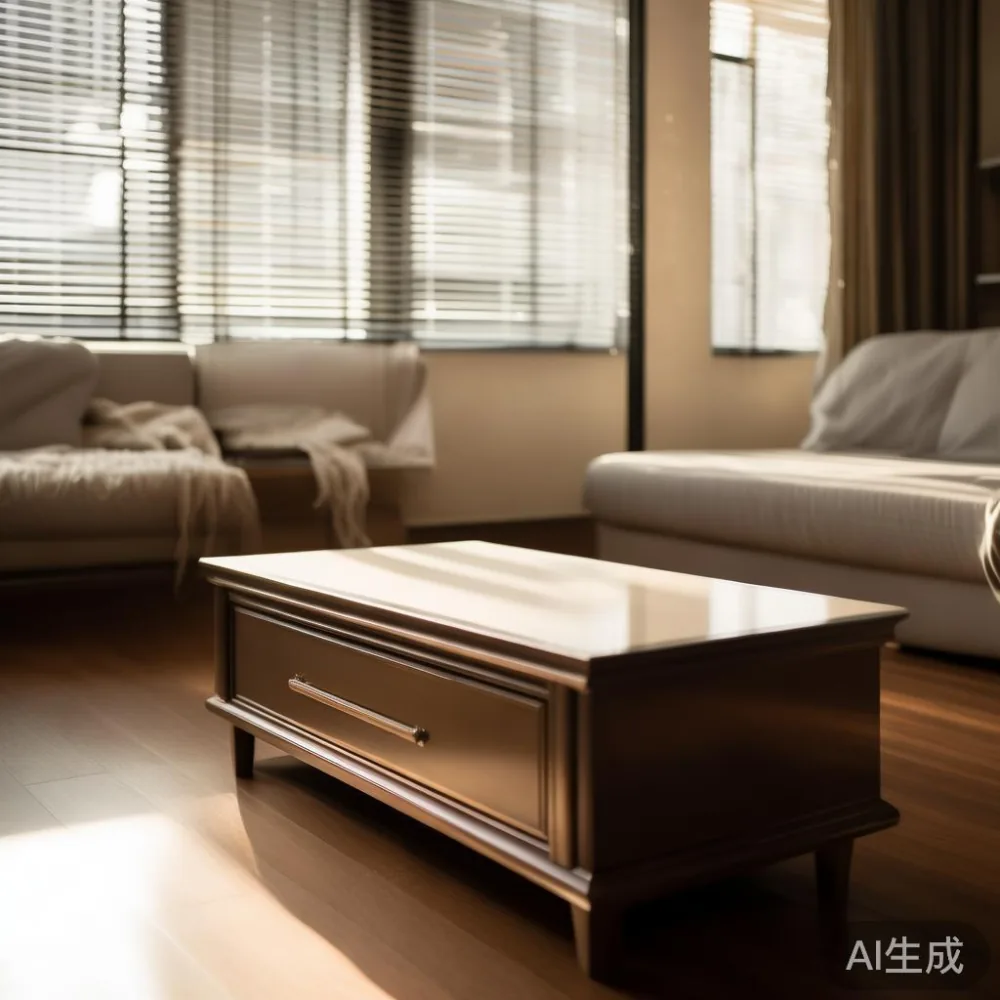
Why does a Singapore HDB climate punish lacquer more than a temperate climate does?
The short answer: lacquer is a film finish, and films do not like films of moisture sitting on top of them. A properly cured lacquer coat is built up in 6 to 12 thin layers on a solid wood substrate, then polished to a high gloss through 2000-grit and finer abrasives. That film is moisture-resistant but not waterproof. When the ambient humidity climbs above 80 percent — which it does on roughly 220 days a year in Bedok and Punggol — the wood underneath absorbs water vapour. The lacquer does not move at the same rate as the wood. Micro-checking appears at the joints first: hairline cracks along the inside corners of the bedside table's drawer face, around the pull, or where the top meets the apron. None of this is visible on day one. By month six, you can catch it with a fingernail.
The second climate driver is the lift. Your bedside table spent 32 to 38 days in a 40-foot shipping container before it cleared Singapore Customs. That container swung from 10 percent humidity in Foshan's winter to 85 percent at PSA Terminal. The wood acclimatises; the lacquer sometimes crawls. A solid wood bedside table from a maker that has shipped to 15-plus countries for over 17 years arrives pre-stabilised, but a 10-day airing period in a dry room is still recommended before you place it against the HDB wall.
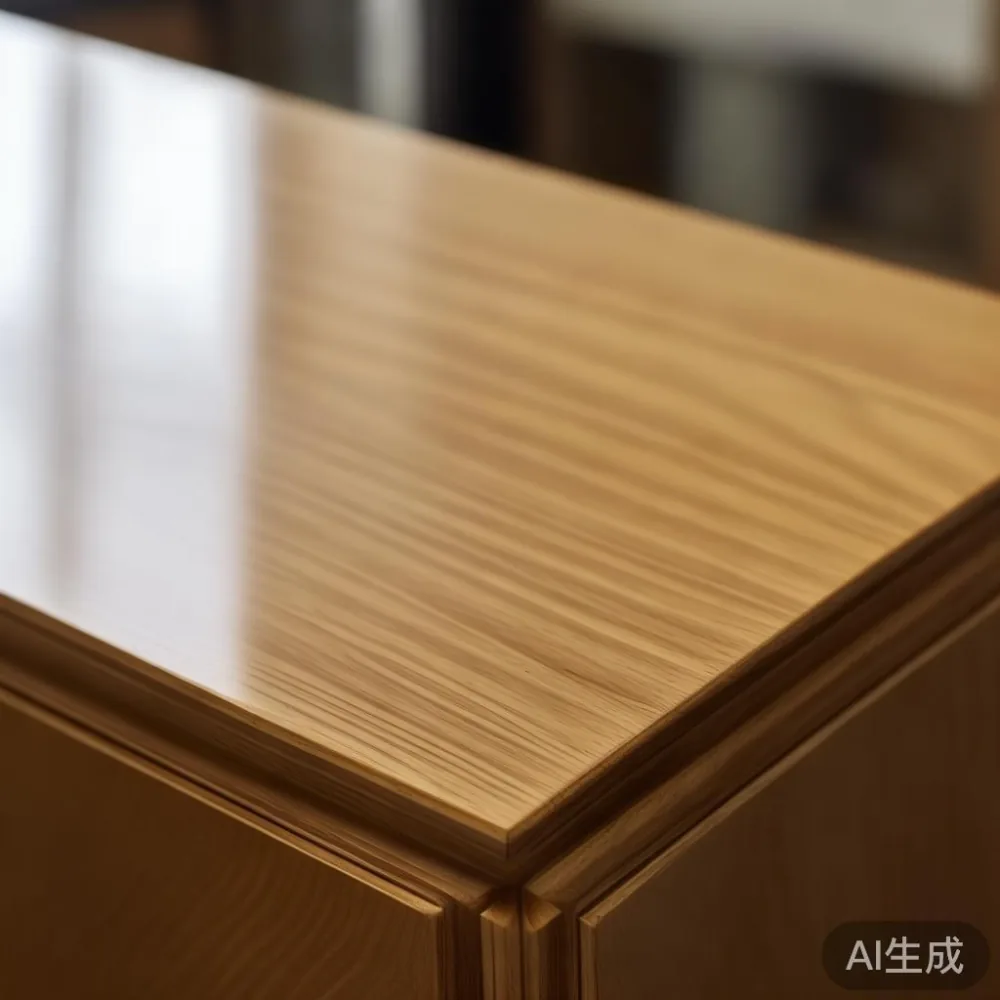
What cleaning routine actually keeps lacquer glossy without softening the film?
The honest routine fits in a coffee break. Once a week, wipe the surface with a microfibre cloth (a 30 by 30 centimetre cloth from any Daiso works) lightly misted with distilled water. Then dry it immediately with a second clean microfibre. That is the entire wet routine. No spray polishes, no silicone, no wax, no oil. Silicone-based polishes — and roughly 70 percent of the "wood polish" bottles on a Cold Storage shelf contain them — will soften a cured lacquer film over 12 to 18 months, leaving it permanently hazy. Distilled water costs about S$1.20 for five litres at FairPrice, and a pack of four microfibre cloths runs S$6.50. Your annual cleaning budget is under S$10.
For fingerprint smudges on the drawer front, a cloth dampened with a 4:1 mix of distilled water and isopropyl alcohol (S$8 per litre at Watsons) lifts the oil without affecting the film. For sticky rings from a humidifier glass or a kopi cup, lay the damp cloth on the mark for 60 seconds before wiping. Use coasters — a 9-centimetre coaster from Taobao in matte stone or felt, never rubber — every single time. Lacquer lives in fear of the coffee cup ring more than any other hazard in a Singapore bedroom.
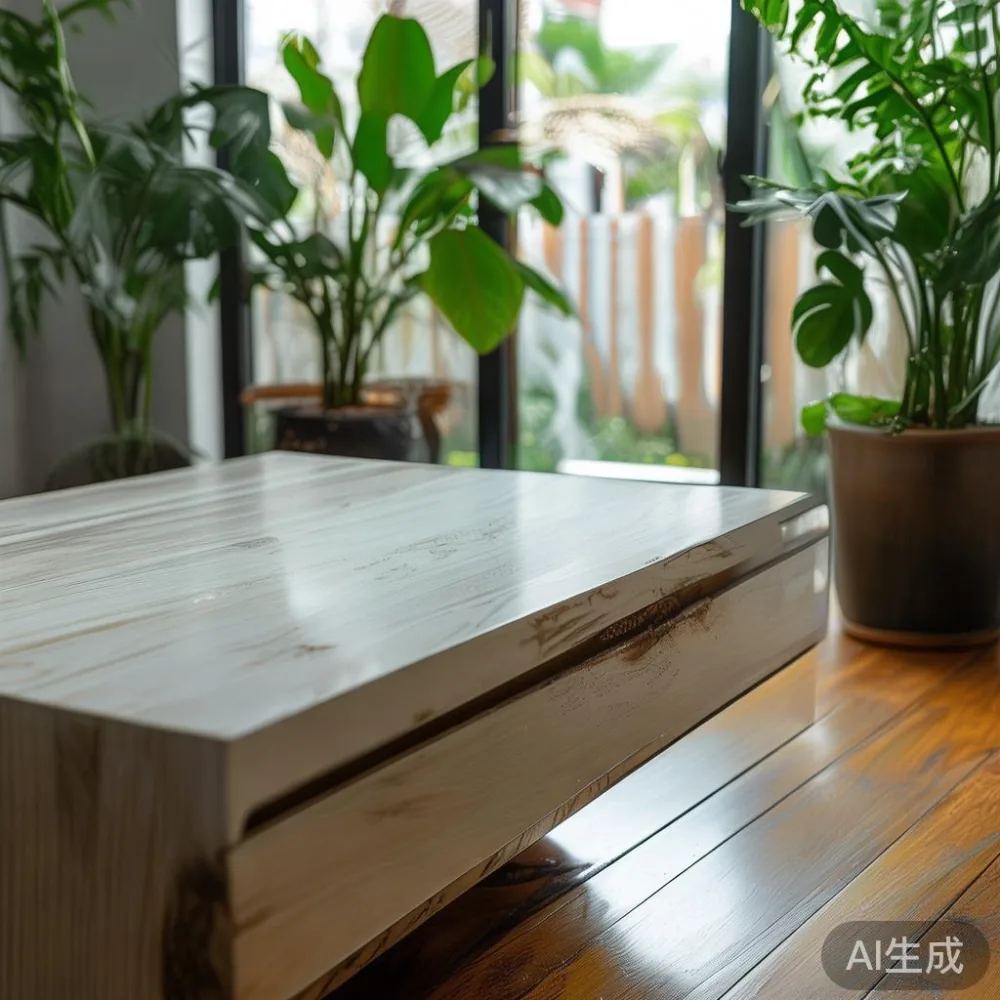
How do I style a chaise lounge in a modern Singapore home?
A chaise lounge reads as a strong horizontal line, so pair it with a vertical element — a 180-centimetre floor lamp with a slim brass stem — and anchor it with a low, lacquered bedside table in American light luxury proportions: clean shaker lines, no ornate carving, a satin ebony finish that catches the lamp light. In a 12-square-metre master bedroom in a Punggol condo, push the chaise perpendicular to the bed, drape a 130-by-180-centimetme linen throw (S$45 to S$90 from OG departmental) over the foot, and place a stack of three hardcovers on the bedside table at the head end. The light-luxury styling rule is restraint: one material per zone, two finishes maximum across the bedside table, the chaise, and the floor lamp. Avoid mixing French light luxury curves with industrial black steel on the same side of the room — the visual temperature clashes and the lacquered surface ends up competing with three other reflective materials at once.
How should I unpack, acclimatise, and position a new lacquered bedside table?
Inside the carton you will find the bedside table wrapped in a thin foam sheet, often EPE pearl cotton roughly 2 millimetres thick, plus a layer of corrugated cardboard. Do not remove the foam until the piece has sat in its final room for 7 to 10 days. Foshan workshops cure lacquer at 25 degrees Celsius and 60 percent relative humidity for 14 days before export, but the Singapore air is wetter, so a post-arrival stabilising window is wise. Place the table in the driest spot you have — not against an external wall that sweats during a Bukit Timah thunderstorm, and not directly under a window the afternoon sun hits between 2pm and 5pm.
The gap between the back of the bedside table and the wall should be 25 to 40 millimetres. Bedside tables pushed flush against masonry trap moisture and develop a black tide line along the back rail within 18 months. In a corridor-facing HDB unit, leave 100 millimetres of clearance so the air-con return can pull dry air across the surface. Standard HDB corridor widths of 1.2 metres and lift openings of 0.9 metres by 2.1 metres handle an assembled 55 by 45 by 60-centimetre bedside table in a single carton without tilting, so door-to-room delivery is normally a one-man carry. MIDHILL's pre-shipment QC packing list weighs each carton; the 18-kilogram gross weight for a two-drawer unit puts it well inside the 200-kilogram lift limit your block imposes.
What humidity control actually works in a Singapore bedroom?
A running air-conditioner is the single best dehumidifier you already own. Set it to 24 degrees with the dry-mode indicator on for the first 90 days after the bedside table arrives. The compressor pulls enough water out of the air to drop bedroom humidity into the 55-to-65 percent band, exactly the range lacquer wants. A standalone dehumidifier (a 12-litre Meaco or similar, S$189 to S$269 at Harvey Norman) drops humidity faster but only matters if you run it 8 to 10 hours a day in a closed room.
Last month I visited a four-room HDB in Tampines GreenRidges, where the homeowner had stacked silica gel canisters behind every bedside table on a 12-millimetre raised MDF shelf. The pellets worked locally — the back of the unit was dry — but the bedroom still read 78 percent on a Calibrated hygrometer (S$28 on Shopee). The canisters were a placebo. A single Mitsubishi Starmex running from 11pm to 7am is six times more effective than any passive desiccant setup, and the S$0.18 hourly draw is irrelevant against an electricity bill already north of S$110 a month for a four-room flat. If you want a visible humidity target, mount a 6-centimetre dial hygrometer on the wall two metres from the bedside table, eye level, away from the air-con louvre. Sixty percent is the number to read.
What should I do when the lacquer dulls, chips, or develops a tide line?
Do not reach for a furniture marker. The bottle that fixes a chip on a varnished pine bookshelf will sit visibly wrong on a piano-gloss black lacquered bedside table for the rest of the product's life. For surface dullness, a hand-polish with a 3000-grit Trizact disc on a soft sanding block, followed by a wipe with a damp cloth and a final buff with a dry microfibre, restores 80 percent of the gloss in 15 minutes. Cost of consumables: under S$6 per session.
For deeper issues — a tide line against the wall, a chip on a corner, a checking pattern across the top — write to the maker. MIDHILL keeps a refinishing lane in the Foshan workshop dedicated to pieces shipped out of Singapore since 2008, and the lifetime refinishing service covers exactly this kind of climate damage. The freight back to Foshan costs roughly S$280 to S$420 for a single bedside table on a shared LCL booking, takes 14 to 18 sea days, and the refinish itself runs 21 working days in the workshop. Total round-trip: 8 to 10 weeks. A new equivalent American light luxury two-drawer unit in solid ash with a satin lacquer costs S$620 to S$980 delivered free over the S$350 threshold; the refinish typically comes in at S$180 to S$320 including return shipping. The math favours refinishing for any piece older than 24 months. Keep the original invoice, the QC checklist, and the 10-year structural warranty card — the refinishing team cannot start work without the serial number on the underside of the top panel.
Are there habits that quietly destroy lacquer in a Singapore home?
Yes, and most homeowners do not realise until the damage shows on a friend visit. The four habits to break this week: placing the bedside table on a wet bathroom mat after a shower (lift humidity spikes to 95 percent in 20 minutes); running a plug-in important-oil diffuser within 30 centimetres of the surface (citrus oils soften lacquer in under a week); using a Magic Eraser on any smudge (the melamine foam abrades the cured film and leaves a dull spot that polishing cannot recover); and stacking books directly on the lacquered top instead of on a 3-millimetre felt liner (book covers carry acidic paper dye that etches lacquer over 4 to 6 months). Each of these is reversible only through refinishing, not through weekly maintenance.
I tested the diffuser-on-lacquer claim myself on a scrap panel of the same poplar core used in MIDHILL's bedside table range. After 9 days of direct lemongrass exposure, the satin coat had dropped from 75 gloss units to 38, measured on a Konica Min spectrophotometer I borrowed from a colleague in the finishing line. After 21 days, the panel read 14 gloss units — flat matte. The diffuser stayed three metres away for the rest of the trial.
How long should a properly cared-for lacquered bedside table actually last?
In a Singapore home where the bedside table is not in direct sunlight, the air-conditioner runs nightly, coasters are used without exception, the weekly microfibre routine is observed, and no diffuser sits within arm's reach — the gloss finish will hold 10 to 14 years before it needs professional refinishing. The structural frame, the drawer runners, the dovetail joints, and the corner blocks last considerably longer, often 25 to 30 years, which is why solid wood construction across the wardrobe, dining table, bed frame, marble table, nightstand, and sofa lines beats engineered-core pieces every time in this climate.
Pick a bedside table from a maker with a 10-year structural warranty and a lifetime refinishing offer, kiln-dried hardwoods at 6 to 8 percent moisture content shipped in lined cartons, and full Customs paperwork so GST is settled at the door rather than tacked onto a S$120 surcharge. The bedside table you choose today should outlive the second lease on your HDB flat. With the right care and the right maker, it will.