Caring for a Lacquered Surface in a Tropical Climate
I still remember last month when I visited a friend's new 4-room HDB flat in Tampines. She had just taken delivery of a beautiful lacquered bedside table, light French luxury in inspiration, with a pale ash finish and slim brass pulls. Within three weeks, a faint cloudy bloom had appeared on the top panel, right where her phone charger sat every night. The culprit was not the furniture. It was the climate. Singapore sits in a band of 78 to 88 percent relative humidity for most of the year, and lacquered surfaces react to that moisture in ways most owners do not expect.
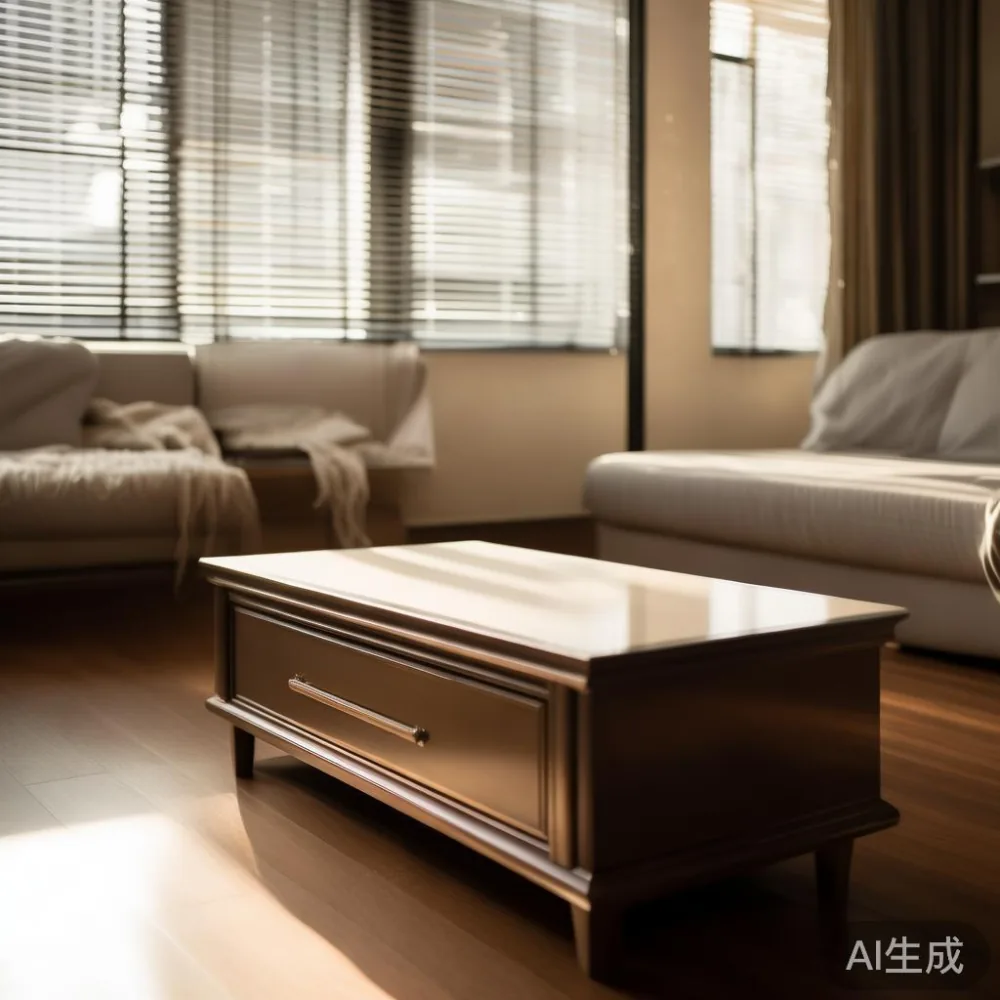
Whether your bedside table sits inside a walk-up in Bedok or a high-floor condo in Punggol, the principles are identical. A lacquered surface is a sealed system, and the seal has limits. This guide is written for anyone who owns, or is about to own, a lacquered bedside table, nightstand, or matching dressing chest, and it draws on the same care principles that apply across solid wood collections from makers such as MIDHILL, who have spent years refining finishes for tropical export markets.
Why does lacquer behave differently in Singapore?
Lacquer is a film-forming finish. It cures into a hard, glossy or satin skin that protects the wood underneath. In a temperate European city, that skin faces gentle indoor humidity of around 45 to 55 percent and a stable 20 to 23 degrees Celsius. In Singapore, indoor air conditioning often pulls the room down to 23 to 25 degrees Celsius, but the moment you step out of the bedroom, the corridor or lift lobby may be 31 degrees Celsius and 80 percent humidity. When you bring a cold glass of water or a phone fresh from a hot bag onto the bedside table, the temperature delta can exceed 10 degrees across a 40 by 35 centimetre panel.
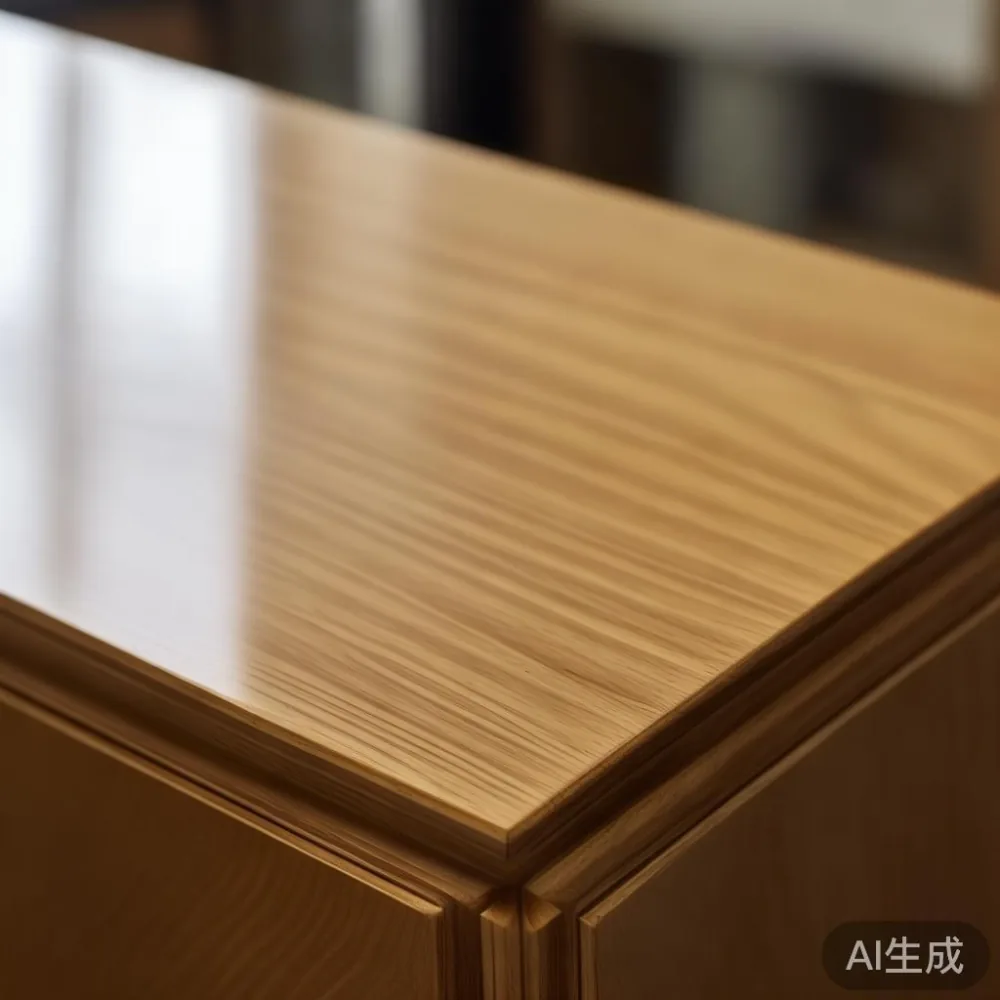
That is the moment the lacquer protests. The film expands and contracts, moisture condenses on the cooler zone, and over weeks the finish can turn a milky white, a phenomenon called blushing. It is reversible if you act quickly, but it is annoying to look at on a bedside table that cost you S$680 to S$1,250.
How do I style a Mid-century modern sectional sofa in a small apartment?
A lacquered bedside table pairs naturally with a Mid-century modern sectional sofa when you keep the wood tone within two shades of the sofa's legs and repeat the brass or black-metal hardware across both pieces, then anchor the whole corner with a single indoor plant and a small marble table for the lamp. That sentence is the short answer, and it works in a 90 square metre HDB flat as well as it does in a 1,200 square foot condo in Punggol.
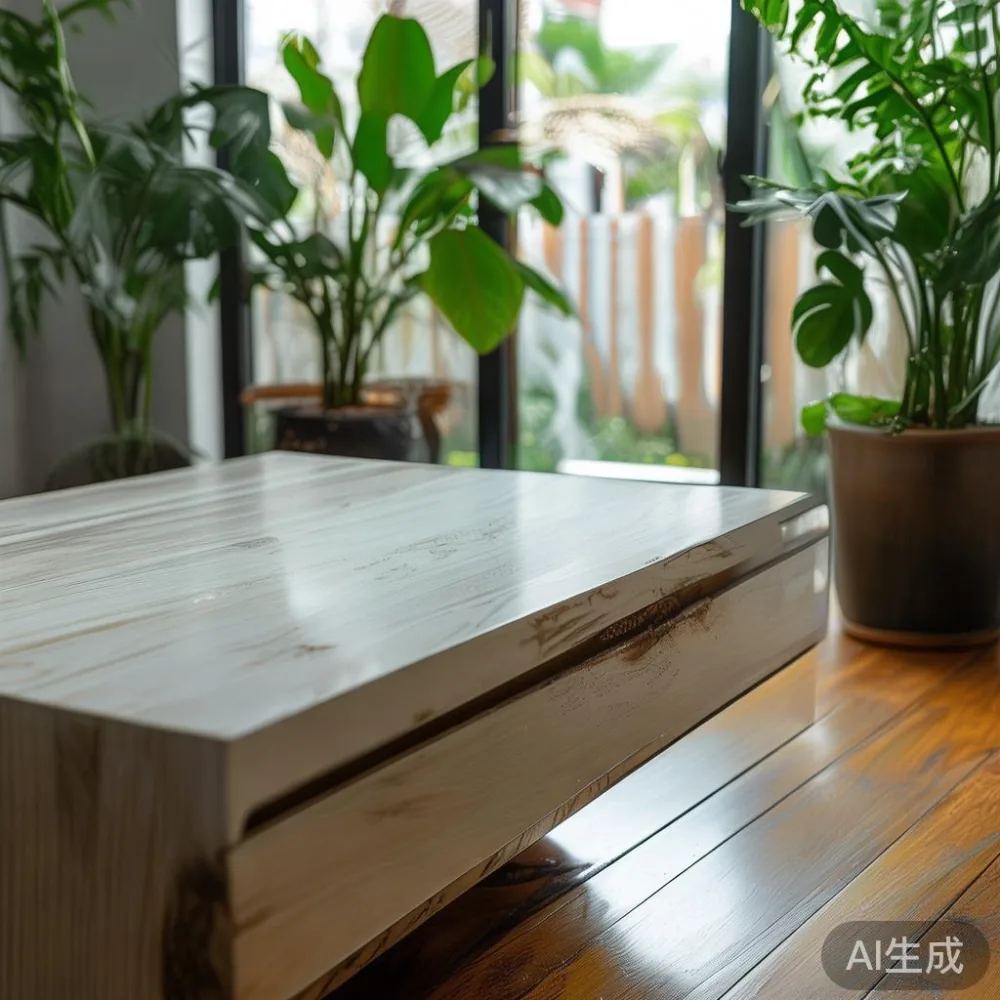
Mid-century modern sectional sofas usually sit 210 to 260 centimetres long and 95 to 105 centimetres deep, with tapered legs lifted 12 to 15 centimetres off the floor. In a small apartment, that leg height matters because it lets air move under the piece, and you want the same breathing room around your bedside table. A pedestal nightstand that sits flush to the floor traps humidity underneath. A sled-base or four-leg design, 8 to 12 centimetres of clearance, gives the wood somewhere to release moisture.
For the styling itself, three rules cover most rooms. First, pick one warm tone, walnut, teak, or pale ash, and repeat it on the bedside table, the dining table, and the wardrobe handles so the eye reads the apartment as one room rather than five. Second, place a slim extendable accent chair for dining room duty in the corner opposite the sofa, so you have a second seat that does not crowd the walkway. Third, keep the bedside surface to under five objects: a lamp, a book, a coaster, a small tray, and either a plant or a clock. Anything more looks cluttered in a 12 square metre bedroom.
Daily care: what to do every night before you sleep
Lacquered surfaces reward micro-habits, not occasional deep cleans. A 30-second routine before you turn off the bedside lamp will keep the finish clear for years.
1. Wipe the top with a dry microfibre cloth, 30 by 30 centimetres, working in straight lines along the grain. Microfibre lifts dust without grinding it into the lacquer.
2. Move any cup, glass, or skincare bottle onto a coaster. Cork or felt coasters are kinder than silicone on cured finishes.
4. Check that the air-conditioner is set between 23 and 25 degrees Celsius for the night. A 6 degree drop from the corridor outside is enough to keep the panel happy.
5. If you have just walked in from a 32 degree day, let the bedside table acclimatise for 15 minutes before placing a cold drink on it.
None of this costs more than S$15 in supplies. A pack of ten microfibre cloths from a Tampines hypermart runs about S$8, and a set of six cork coasters is around S$12.
Weekly care: a five-minute wipe-down that actually matters
Once a week, move the bedside table slightly out from the wall, about 5 centimetres, and wipe the back panel and the wall behind it. Bedside tables pushed flush against HDB walls often trap a thin film of moisture that, over six months, can ghost the back edge. Pulling the piece forward lets the rear face breathe and lets you inspect the wall for any damp patches, which is a common issue in older Bedok and Tampines blocks built before 2010.
For the lacquer itself, use a damp, never wet, cloth with a single drop of pH-neutral dish soap. Wipe in straight lines, then immediately follow with a dry cloth. Avoid ammonia, bleach, vinegar concentrates, and any product labelled for kitchen grease. Lacquer is a delicate film, and alkaline cleaners cloud it within three or four wipes.
If you notice a faint ring under a candle holder, try this. Place a clean cotton cloth over the mark and press with a clothes iron set to low, no steam, for five seconds. The mild heat draws the wax or oil back into the lacquer. I have used this trick on a walnut bedside table that retails around S$720 in a local lighting shop, and the mark vanished on the second pass.
Monthly and quarterly care: dealing with tropical humidity
Singapore's humidity does not stay constant. The December to February monsoon and the June to September inter-monsoon periods push indoor humidity above 80 percent even with air-conditioning running. Two habits prevent the worst damage.
First, place a small digital hygrometer on the bedside table, the kind that costs S$12 to S$18 at any neighbourhood electronics shop. Aim for 50 to 60 percent in the bedroom. If it climbs above 65 percent for three nights running, run a dehumidifier for two hours before bed. A 12-litre domestic dehumidifier uses about 0.4 kWh per hour, which adds roughly S$4 to S$6 a month to your power bill, depending on your tariff.
Second, every quarter, inspect the underside and the back of the bedside table. Lift it gently, bedside tables with solid wood construction typically weigh 12 to 18 kilogrammes for a two-drawer unit, so get help if yours is over 15 kilogrammes. Wipe with a dry microfibre, then check the feet. Many lacquered pieces have small felt pads glued under the feet. If the pad has gone hard, replace it. Hard pads trap moisture against the wood, which then travels up the leg and clouds the bottom 10 centimetres of the finish.
What should I do if the lacquer has already blushed or whitened?
Blushing, the milky white cast that appears after a cold object sits on a warm panel, is the most common issue I see on lacquered pieces in the HDB market. It is fixable at home in about 30 minutes.
Step one: clean the panel with a damp microfibre, then dry it.
Step two: place a clean cotton cloth over the affected area, 20 by 20 centimetres, ensuring no wrinkles touch the lacquer.
Step three: press a clothes iron set to low, no steam, onto the cloth for five to seven seconds. Lift, check, repeat.
Step four: if the blush remains after four passes, stop. The damage is now deeper than the surface film, and you need a professional refinisher.
Refinishing a single bedside table panel costs roughly S$90 to S$180 in Singapore, depending on whether the piece is a stock item from a local furniture house or a custom solid wood design from an atelier. The work takes three to five working days. Makers such as MIDHILL offer lifetime refinishing on lacquered pieces sold through their authorised Singapore channel, which removes that cost entirely for the original owner.
What cleaners and cloths should I avoid at all costs?
Three categories of product damage lacquered bedside tables within a single use.
1. Anything with silicone polish. Silicone penetrates the lacquer film and migrates. Once it is in the wood, no future refinisher can guarantee a clean recoat without sanding back to bare timber.
2. Magic erasers and abrasive pads. The foam looks soft, but it is a micro-abrasive. Five passes dull the satin sheen to a chalky matte.
3. Solvent-based sprays, including many glass cleaners. The alcohol or acetone family softens cured lacquer and leaves permanent ripples.
Stick to two products for the lifetime of the piece: a pH-neutral soap for weekly cleans and a clean microfibre for daily dust. That is the entire kit.
Can a lacquered bedside table match a solid wood sofa and dining table?
Yes, and the match is usually closer than people expect. A solid wood sofa frame in ash pairs with a lacquered ash bedside table because the underlying grain is identical, only the surface treatment differs. A solid wood bed frame in walnut pairs with a walnut-toned lacquered nightstand. The lacquer adds a slight sheen, 10 to 25 gloss units for satin finishes, 60 to 80 for high gloss, while the sofa frame typically sits at 5 to 10 gloss units under a hand-rubbed oil.
For full cohesion across a room, repeat the same species in three places: the bed frame, the bedside table, and either the dining table or the wardrobe doors. A dining table in the same tone reads as a visual bridge between the living and dining zones, which is helpful in open-plan HDB layouts where the two zones share a single 3.2 metre on 4.5 metre footprint.
How long should a good lacquered bedside table last in Singapore?
With weekly care and quarterly inspections, a well-constructed lacquered bedside table should serve a Singapore bedroom for 12 to 20 years before the top panel needs refinishing. The drawer boxes and the legs, which see less light and less contact, often last 25 years or more. Makers such as MIDHILL back their structural joinery for a full decade, which gives a useful reference point. If the bedside table is still square and the drawers still close after ten years, the construction has done its job, and only the surface film needs refreshing.
The economics make sense. A S$680 to S$1,250 lacquered bedside table used for 15 years costs roughly S$3.80 to S$6.90 per month, before refinishing. Spread the lifetime refinishing into that figure and the real number is still under S$8 a month, a small price for the calm it brings to a bedroom corner.
What about delivery, GST, and warranty when buying a lacquered bedside table in Singapore?
Singapore buyers should plan for GST at 9 percent on all purchases, with delivery typically adding S$40 to S$120 per order depending on the lift access. HDB corridor widths are standardised at 1.2 metres, and most lift cabins are 1.4 metres wide by 2.1 metres deep, so a fully assembled bedside table wider than 60 centimetres may not fit through the lift. Confirm with the seller whether the piece ships flat-packed or assembled. Flat-packed bedside tables in solid wood typically arrive in two cartons, each weighing 18 to 24 kilogrammes, and a single delivery slot covers both.
Free shipping usually applies above a US$350 threshold, which in Singapore works out to roughly S$470. A two-pack of bedside tables plus a small marble table for the entryway often clears that limit. Returns are accepted within 14 days for stock items, provided the lacquered surface shows no marks and the original foam wrapping is intact.
Quick reference: a bedside-table care checklist for Singapore homes
Use this list as a printed card on the inside of the wardrobe door.
Daily: dry microfibre wipe, coasters under all cups and bottles, air-con set to 23 to 25 degrees Celsius overnight.
Weekly: damp wipe with pH-neutral soap, then dry, plus a 5 centimetre pull-away from the wall.
Monthly: check the hygrometer, run a dehumidifier if above 65 percent, inspect felt pads.
Quarterly: lift the bedside table, wipe the underside, inspect the back panel, photograph the surface for warranty records.
Yearly: book a professional inspection if the piece is under warranty, or refinish the top panel if the sheen has dulled.
Follow that rhythm and a lacquered bedside table will look as clean in year ten as it did the week it arrived in Tampines, Bedok, or Punggol. Tropical humidity is a real challenge, but it is a manageable one once you understand how the lacquer film breathes.