Singapore Furniture Warranty Guide: Avoid Mistakes
I still remember the afternoon a customer in Tampines opened her new dining table invoice, looked at the two-year warranty line, and asked me, point blank, what the small print actually meant. She had just paid S$1,840 for a six-seater solid wood dining table delivered up to her 12th-floor HDB flat, and the courier had to use the service lift because her unit's private lift could not take the 1.95 m carton on its side. By the time we sat down with a cup of kopi, she realised she had compared the wrong things. Two years of coverage is not the same as two years of peace of mind. The story repeats itself in Bedok walk-ups, Punggol new BTOs, and the older condos around Bukit Timah, where the corridor turning radius is tight and the lift door measures only 0.8 m wide. This guide is the conversation I had with her, written down.

What a Furniture Warranty Actually Covers (and What It Does Not)
A warranty is a written promise from the maker, and a good one has three layers you can read in under five minutes. The first layer is the structural warranty, which is the backbone of the agreement. For solid wood pieces such as a bed frame, wardrobe, dining table, or nightstand, this should cover joint integrity, load-bearing rails, drawer runners, and the prevention of cracks that go through the wood (not just across the grain). MIDHILL, for example, offers a 10-year structural warranty across its solid wood sofa, bed frame, and dining table ranges, which is roughly four to five times longer than the industry baseline of two to three years in Singapore.
The second layer is the finish warranty, usually shorter, between one and three years, and it covers peeling lacquer, abnormal fading, and veneer delamination. The third layer is the service warranty, which describes what the company will actually do if something goes wrong: send a technician, refinish a panel, replace a slat, or refund a percentage. If the document only says "warranty: 2 years" with no detail, that is a red flag. Ask for the three layers in writing before you pay the 9% GST.
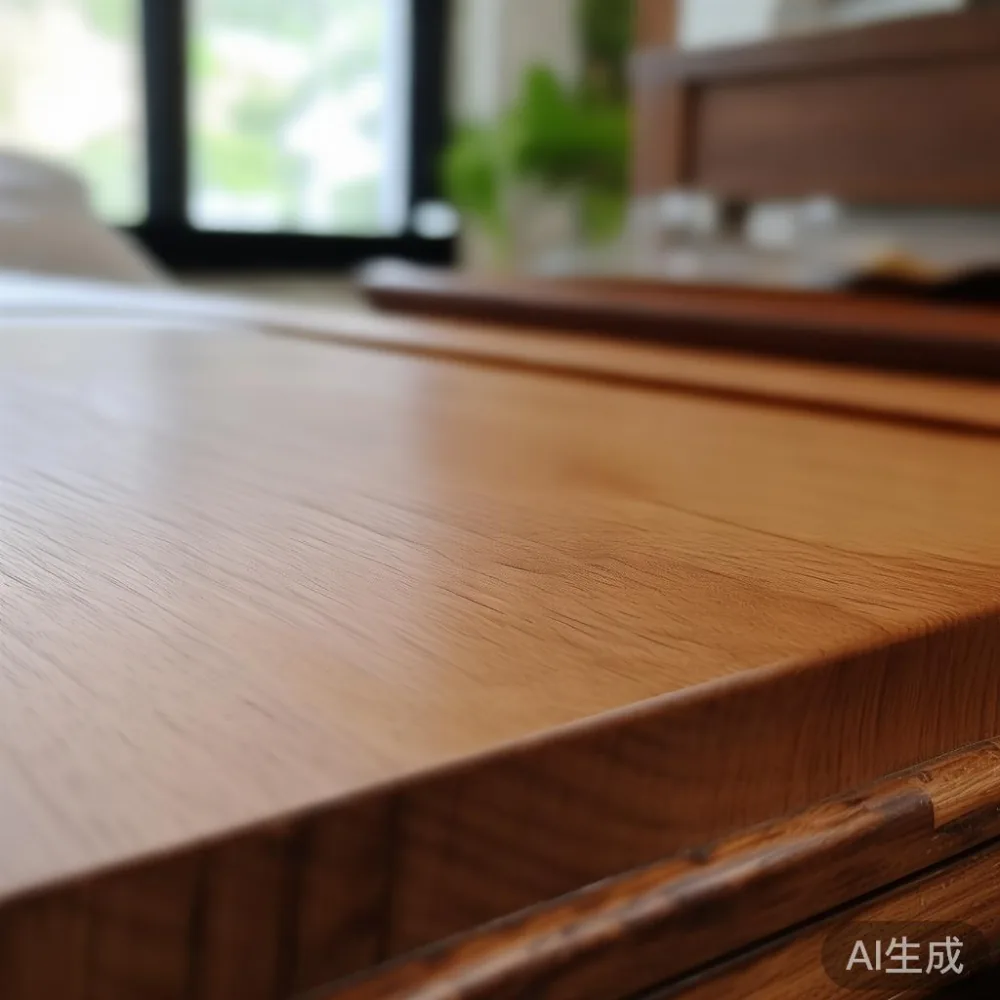
Is a Metal Furniture Worth the Price in Singapore?
Metal furniture is worth the price in Singapore only if the warranty specifically covers rust, weld failure, and powder-coat peeling, because our 80-90% average humidity will punish any metal surface that is not factory-sealed on every cut edge. I visited a friend's condo in Punggol last month where her black steel-and-walnut dining set had developed orange blooms on the legs after just eleven months, and the maker's warranty only covered "manufacturing defects," which they defined as weld cracks, not corrosion. She ended up paying S$420 for a sandblast and re-coat. A proper metal-furniture warranty in our climate should explicitly mention humidity-related oxidation, mention coastal-grade finishes if you live within 5 km of East Coast or Changi, and should not require you to prove you used a dehumidifier. Compare that wording line by line before you decide whether the metal piece is worth its usual 15-25% premium over solid wood.
Which Clauses in a Singapore Furniture Warranty Cause the Most Disputes?
Three clauses cause the majority of disagreements, and all three hide in the middle paragraphs that nobody reads. Clause one is the "normal wear and tear" exclusion. This is reasonable for a fabric seat, but vague language can be used to reject a claim on a warped bed slat or a cracked drawer bottom that happened at month 14. Push for a definition, and ask the seller to attach examples. Clause two is the "environmental conditions" clause, which often demands you maintain 40-65% indoor humidity. In a Bishan or Toa Payoh flat where the window stays open six hours a day, that range is hard to hold in March and September. Clause three is the labour and transport clause. A warranty that covers the part but not the S$80-S$150 technician visit, or the S$60-S$120 lorry transport, is a warranty that costs you money the moment you use it. Get the all-in figure in writing.

How Do Lift, Corridor, and Staircase Sizes Change Your Warranty Risk?
This is the question Singaporean buyers forget to ask, and it is where most delivery damage actually happens, even though the warranty is supposed to be about the product, not the logistics. A standard HDB passenger lift internal cabin is roughly 1.1 m deep, 1.4 m wide, and 2.3 m tall, with a door opening of about 0.8 m. A 2.0 m marble table top in its crate will not fit diagonally on a 1.4 m floor, so it must travel upright, which means the crate height is your real constraint. Many older condos in District 10 have lifts that are even smaller, around 1.0 m by 1.3 m, and a few walk-up blocks in Geylang have no lift at all, only a 1.05 m staircase turn. A piece that survives shipping from a Foshan or Dongguan factory can still be damaged on the final 20 metres, and a warranty that excludes "transport damage after factory gate" will leave you arguing with the delivery company, not the maker. MIDHILL pre-measures the lift and corridor of every Singapore order above S$350, and that site survey is what the free-shipping threshold pays for. Ask any brand you consider to do the same.
How Do You Compare a 2-Year Warranty Against a 10-Year Warranty Fairly?
You compare the years against five concrete numbers, not the digit alone. Number one is the coverage scope, meaning does the 10-year cover the same components as the 2-year, or is the long one limited to the frame while the short one covers the mechanism. Number two is the claim turnaround, in working days, from your phone call to the technician arriving. Number three is the labour cost cap, and whether it is included or charged. Number four is the refinishing promise, because a 10-year structural warranty that comes with lifetime refinishing is a very different product from a 10-year structural warranty that ends at month 120 with a cracked top. Number five is the transferability clause, which matters if you plan to sell the flat or pass the wardrobe to a relative in Yishun after the move. A warranty that dies with the original invoice is worth roughly 30-40% less than one that follows the piece, all else equal.
What Questions Should You Ask Before You Pay the 9% GST?
Ask seven questions, in this order, and write the answers into the sales quote so they carry the same weight as the price. 1) Is the warranty structural, finish, or both, and for how many years on each. 2) Does it cover the drawer runners, the soft-close hinges, the slats, and the marble table edge separately, or as one block. 3) What is the labour and transport cost for a claim, in Singapore dollars, including GST. 4) How many working days from report to resolution, and is there a written Service Level Agreement. 5) Is refinishing included, and how many times across the piece's life. 6) Does the warranty survive a move to a new HDB or condo address, or only the original delivery point. 7) If I order a bedside table tonight with a cream rubberwood wardrobe sg pairing, will both pieces share the same warranty start date, and can I extend the bedside table's coverage to match the wardrobe. A clear yes to all seven is the difference between a piece of furniture and a piece of paperwork that actually helps you.
Why Solid Wood and Light-Luxury Pieces Warrant a Closer Read
Light-luxury design, whether you lean French, American, or the post-modern light-luxury look with curved edges and warm neutral tones, tends to mix materials inside a single piece. A bedside table might pair a cream rubberwood body with a marble top, a brass pull, and a soft-close drawer. A bed frame might combine solid ash with upholstered headboard panels. A dining table might use a sintered stone top over an oak base. Each of those sub-materials has its own failure mode, its own humidity tolerance, and often its own sub-supplier's warranty. The trick is to read the master warranty as a layered document, and confirm that the marble table top carries a separate 2-3 year seal against staining, the brass is covered against oxidation, and the solid wood body carries the long structural term. A well-written light-luxury warranty names every material, every sub-component, and the year count on each. Anything less is a single-layer document pretending to be three.
A 90-Second Checklist Before You Sign
Take a photo of the warranty page, the quote, and your NRIC-financed invoice. Confirm the structural years, the finish years, the labour inclusion, the refinishing term, the move policy, and the claim window in working days. Confirm the delivery path: lift width, corridor width, staircase turn, doorstep clearance, and the height of any air-con ledge the piece must pass under. Confirm the 14-day return window, the free-shipping threshold (MIDHILL sets this at US$350, roughly S$475), and the warranty start date, which should be the delivery date, not the invoice date. If six of these seven items are clear on a single A4 page, the maker is worth your money. If only the price is clear, keep your S$1,840 in your pocket and keep shopping.
That Tampines customer eventually chose a solid ash bedside table with a 10-year structural warranty, lifetime refinishing, and a written S$0 labour clause. The lift survey took 11 minutes, the delivery took 18 working days from order, and she has not opened the warranty file since. A warranty you never have to read again is the only kind worth buying.