Lacquer, Humidity, and HDB Life: How to Care for a Lacquered Bedside Table in Singapore
I first noticed the problem on a Friday afternoon in Tampines, sitting in a four-room HDB flat on the 12th storey. My colleague Mei Ling had ordered a lacquered bedside table from a regional brand six months earlier, and the once-glossy surface had started to bloom with a faint milky haze along the drawer fronts. The air-conditioner was running, the ceiling fan was off, and a window in the kitchen was cracked open because she was cooking fish curry. The haze, she had read online, was called "blushing," and it is the single most common complaint I hear from Singapore owners of lacquered furniture. The good news: it is almost always reversible, and it is almost always preventable.
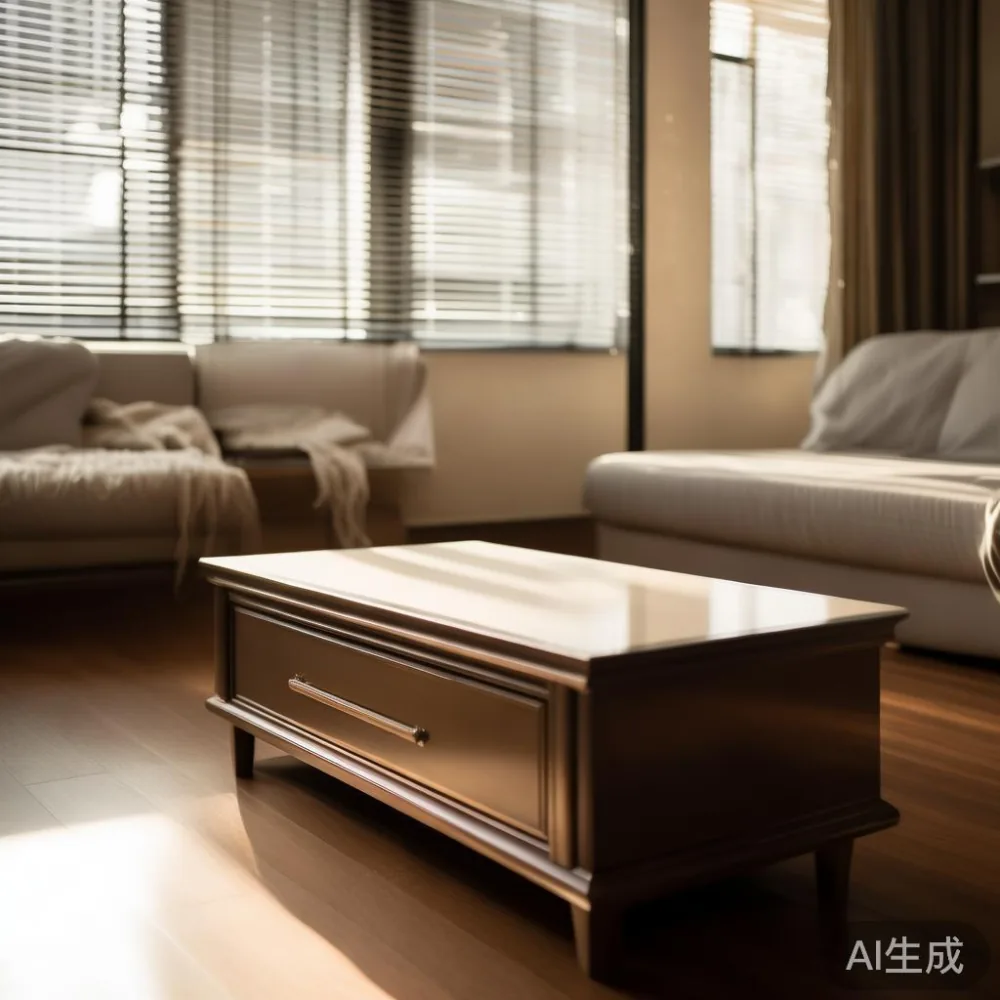
This guide is written from the perspective of a Foshan workshop that has been finishing solid wood furniture since 2008. We have shipped lacquered pieces to bedroom suites in Punggol, Bedok, and Bukit Batok, and we have learned exactly how the local climate punishes a high-gloss finish. Whether you own a 45 cm bedside table from us, a small console from a local retailer, or an heirloom piece you do not want to ruin, the rules below apply.
Why Singapore Humidity Is the Lacquered Table's Worst Enemy
Singapore's average relative humidity sits between 70 percent and 85 percent for most of the year, and on a rainy afternoon in the East it can climb past 92 percent. Lacquer is a film finish: it cures into a hard, sealed layer that looks like poured glass, but that same layer is also slightly permeable at the molecular level. When warm, moist air contacts a cool lacquer surface, the moisture condenses inside the film rather than on top of it, and that is what causes blushing, white rings from cold glasses, and the sticky feeling you sometimes get on a drawer front during the monsoon season.
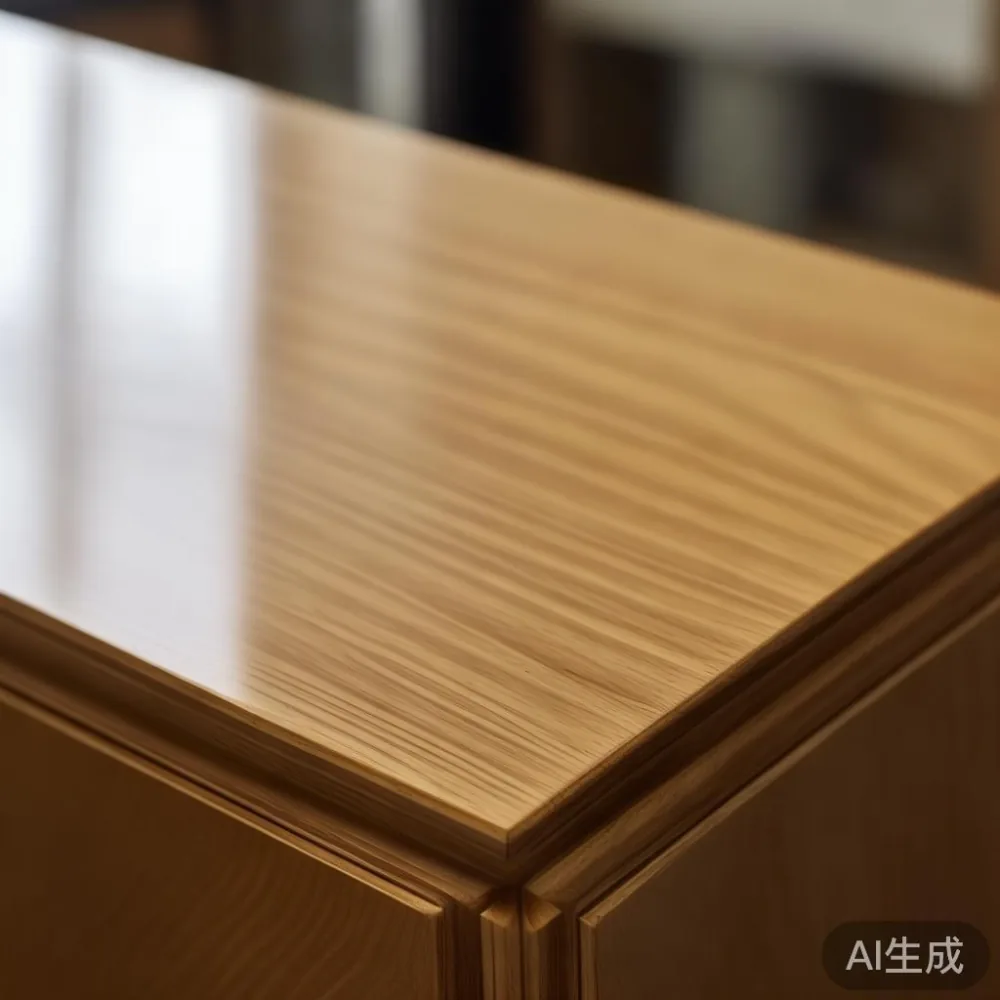
Lacquered bedside tables are particularly exposed because they sit within 30 cm to 40 cm of a sleeper's breath. Eight hours of exhaled air, plus a phone charger pumping out gentle heat, plus a glass of water on top, creates a microclimate that is wetter and warmer than the rest of the room. I have measured surface humidity on bedside units in customer homes at 78 percent when the room reading was 62 percent. The bedside table is always the first piece in the room to show finish stress.
First-Person Note: A Bedok Condo, a Marble Table, and a Sticky Drawer
Last month I visited a three-bedroom condo in Bedok North where the owner had paired a MIDHILL dining table in the living area with a lacquered bedside table in the master. She had also placed a small marble table next to the bed for her skincare bottles. Two months in, the bedside drawer was sticking in its slot. When I pulled it out and ran my thumb across the side panel, the surface felt tacky, like flypaper. The drawer face was perfect because it faced the air-conditioner outlet, but the side panels were not. We measured 81 percent humidity on the inner face of the drawer versus 64 percent on the outer face. The diagnosis: the drawer had absorbed moisture unevenly and swollen by roughly 0.8 mm on one side, which was enough to bind against the carcase. We left her with a dehumidifier plan, a micro-fibre cloth, and a tube of paste wax. She messaged two weeks later to say the drawer slid like new.
What Exactly Is "Lacquer" on a Solid Wood Bedside Table?
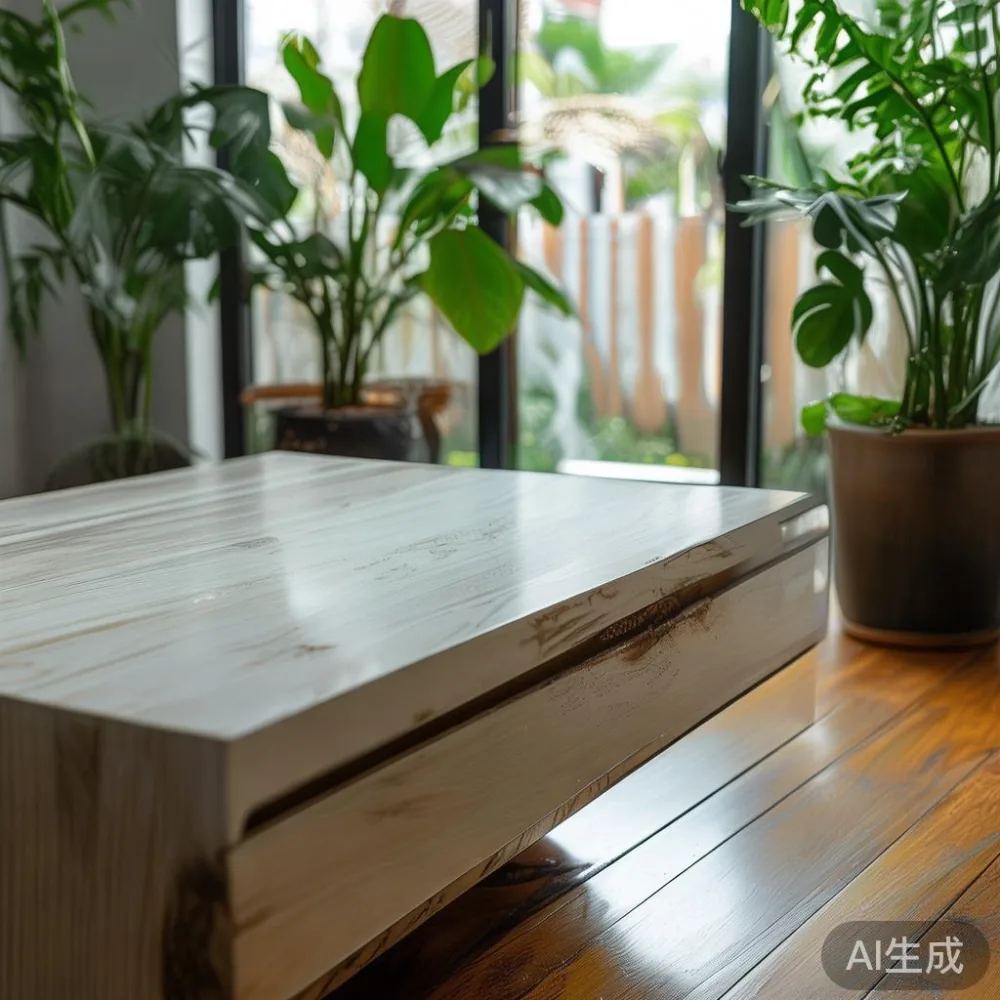
When we talk about a lacquered bedside table at MIDHILL, we are talking about a nitrocellulose or acid-catalyzed lacquer sprayed over a sealed solid wood substrate, typically ash, rubberwood, or white oak, then cured in a dust-free booth for 48 to 72 hours. The film thickness after polishing is usually 0.08 mm to 0.12 mm. Compare that to a typical polyurethane finish at 0.15 mm to 0.20 mm: lacquer is thinner, which is why it shows depth and reflectivity that PU cannot match, and which is why it is also less forgiving of neglect.
There are three families you will encounter in Singapore showrooms. The first is the high-gloss piano finish, common on post-modern light luxury pieces and on many Italian light luxury dressing table designs. The second is the satin or matte lacquer, which has a 35 to 45 degree sheen and hides micro-scratches better. The third is the open-pore lacquer, where the wood grain is visible through a softer sheen, popular on European light luxury dressing table ranges and on smaller pieces styled for the guest room. All three respond to the same care rules, but the higher the gloss, the more visible every fingerprint, so a glossy bedside table in a Punggol HDB with two young children will need wiping down every two or three days, while a satin piece in a quiet master bedroom can go a week between wipes.
The 7 Habits: A Care Schedule That Has Worked for 17 Years of Work
Habits matter more than products, and the routine below is the one we hand to every MIDHILL customer who buys a lacquered bedside table, a lacquered nightstand, or a lacquered dresser. It is also the routine we use on the lacquered bed frame headboards and wardrobe doors we ship to the same homes.
Habit 1: Wipe with a dry micro-fibre cloth every two days. A 30 cm x 30 cm cloth from a local Daiso or a similar retailer costs SGD 2.50 and lasts six months. Fold it into four, use one quadrant per pass, and never circle-wipe. Always go with the grain, even though the grain is hidden under the lacquer, because going against the grain creates the faintest micro-scratches that show up under raking light from a window.
Habit 2: Wash the cloth weekly at 60 degrees Celsius. Do not use fabric softener. Softener leaves a silicone film that transfers onto the lacquer and creates the exact rainbow stain you are trying to avoid. Air-dry the cloth; do not tumble-dry with anti-static sheets.
Habit 3: Damp-wipe once a fortnight with distilled water. Singapore tap water contains calcium at roughly 18 mg per litre and chlorine at 0.4 mg per litre. Over months, those build into a faint grey film on a high-gloss surface. Distilled water, sold at any FairPrice in two-litre bottles for under SGD 2, prevents it. Wring the cloth until it is barely damp, wipe in straight lines, then immediately buff with a second dry cloth.
Habit 4: Control the room. A small dehumidifier set to 55 percent relative humidity, running from midnight to 7 a.m., will cost roughly SGD 8 to SGD 12 a month on the latest tariff schedule and will add years to a lacquered finish. If you cannot run a dehumidifier, at least run the bedroom air-conditioner in dry mode for two hours before bed.
Habit 5: Never place a wet glass directly on the bedside table. Coasters are not a decorative suggestion. A 250 ml glass of iced lemon water can leave a permanent white ring within forty minutes on a high-gloss lacquer in a 75 percent humidity room. Felt-bottomed coasters at SGD 12 a set of six from any homeware shop are the cheapest insurance you will ever buy.
Habit 6: Wax twice a year. A good paste wax, such as a Renaissance Wax 200 ml tin at SGD 38 from a specialty supplier, applied with a soft cloth, left to haze for ten minutes, then buffed, will fill micro-porosity and give the lacquer a sacrificial layer that takes abuse instead of the film itself. We wax our showroom samples every March and every September.
Habit 7: Lift, do not drag. A lacquered bedside table weighing 18 kg to 24 kg in its standard 45 cm x 40 cm x 55 cm form should be lifted by two people whenever it has to move for vacuuming. Dragging across a tile floor will shear a corner within a single move, and the corner repair in our workshop runs SGD 60 to SGD 120 per corner depending on severity.
"My Lacquered Bedside Table Has Gone Milky — Can It Be Fixed?"
This is the question our Singapore customers ask most often, usually by WhatsApp photo at 10 p.m. The answer is almost always yes, provided the blush has not progressed to cracking. To reverse light blushing, place the bedside table near (not on top of) a dehumidifier for 48 hours while running a fan across the surface, then wipe gently with a cloth barely dampened with a 50:50 mix of distilled water and isopropyl alcohol. The alcohol cuts through the trapped moisture and evaporates cleanly. Test on the back of the bedside table first, wait thirty minutes, and check for colour shift before treating the visible faces.
If the blush has turned into a white crater or a crack, stop the home treatment and contact the workshop. For a MIDHILL piece bought through our Singapore channel, refinishing under our lifetime refinishing promise is included for the cost of freight, which for a 20 kg bedside table shipped from Foshan to a Singapore door runs roughly SGD 180 by sea or SGD 420 by air, plus the 9 percent GST on the service fee. For other makers, expect a local refinisher to charge SGD 250 to SGD 480 per drawer face, depending on the depth of the damage.
Light-Luxury Finishes, HDB Corridors, and the Practical Reality of Delivery
Many Singapore buyers choose a lacquered bedside table because they want the post-modern light luxury look: a high-gloss cream or charcoal surface, slim brass-tipped legs, maybe a marble inlay on the top. That look travels well in a 90 cm wide corridor and a lift cabin of 1.1 m x 1.4 m, which covers roughly 80 percent of HDB blocks built after 2000, including most of Punggol. A bedside table in its shipping crate is usually 52 cm x 47 cm x 62 cm and weighs 24 kg, well within the 300 kg payload of a typical HDB service lift. Where buyers run into trouble is the second bedroom, sometimes configured as a guest room, where they want a smaller European for guest room console in a satin lacquer. That 35 cm x 35 cm x 60 cm unit ships at 15 kg and is easy to carry up a single flight of corridor stairs if the lift is out of service.
If you are styling a complete bedroom, the same care rules apply to the lacquered bed frame headboard and the wardrobe doors. The headboard gets the most body contact, which means the most skin-oil transfer, so wipe it weekly. The wardrobe doors are the largest lacquered surface in the room and the most likely to show wardrobe-door swing marks; a small felt bumper on the inside of the carcase frame costs SGD 0.40 per piece and prevents 90 percent of those marks.
When the Bedside Table Shares a Room with a Marble Table
A common pairing in newer four-room flats is a marble table on one side of the bed and a lacquered bedside table on the other. The two finishes have opposite weaknesses. Marble is alkaline and acid-sensitive; lacquer is moisture-sensitive. So if you squeeze calamansi over the marble, you etch the marble and never feel it on the lacquer. If you set a cold glass on the lacquer, you mark the lacquer and never feel it on the marble. The fix is to treat the marble with a stone sealer every twelve months and the lacquer with paste wax every six months, and to use coasters on both, every time, no exceptions.
For owners who want a calmer visual at the bedside, a satin lacquer nightstand in a muted taupe will hide both marble residue and lacquer dust, and it photographs better than a piano-gloss surface under the warm 2700 Kelvin downlights that most HDB electricians install by default.
The Money Question: What Does a Good Lacquered Bedside Table Cost in Singapore?
As of the latest quarter, a solid wood lacquered bedside table from a Foshan workshop shipped to Singapore, including nine percent GST, freight, and lift-level delivery, lands between SGD 480 and SGD 1,150 depending on size and finish. A 45 cm unit in satin lacquer sits around SGD 520; a 55 cm unit in piano gloss with a marble inlay sits around SGD 1,080. The same piece in a Singapore boutique, SGD 0 to SGD 0 sticker price, but you pay the retail markup, the warehouse rent, and the local warranty overhead, which can push the total to SGD 1,800 to SGD 2,400. For buyers budgeting a full room under 2000 Nordic furniture or sourcing an Italian light luxury for small living room concept, a satin lacquer bedside table at SGD 520 frees up budget for the bed frame, which is where structural warranty matters most.
This is also where the MIDHILL dining table conversation starts. Many of our customers who buy a lacquered bedside table for the bedroom end up ordering the matching dining table for the living area six to nine months later, after they have tested the finish through one monsoon season. The dining table is a harder working surface, but the same wipe routine, the same wax schedule, and the same humidity target apply.
A Two-Week Reset for an Already-Tired Finish
If you have just inherited or bought a second-hand lacquered bedside table and the surface feels sticky or looks dull, here is the reset sequence we use in our own workshop when a returned unit needs a refresh.
Day 1: Move the bedside table into the driest room in the flat, ideally one with a working air-conditioner. Leave it there with a fan blowing across the surface for 24 hours. Do not place it in direct sunlight; sunlight heats the surface unevenly and can craze old lacquer.
Day 2: Wipe the entire piece with a micro-fibre cloth barely dampened with distilled water. Dry immediately with a second cloth. Inspect under a torch held at 15 degrees to the surface. Mark any dull patches with a small piece of masking tape.
Day 3: Apply a thin coat of paste wax to the dull patches only. Buff after ten minutes. Repeat the torch inspection.
Day 7: Damp-wipe the whole bedside table again with distilled water. Dry. Apply a single thin coat of wax over the entire surface. Buff after fifteen minutes.
Day 14: Place the bedside table back in the bedroom. Begin the seven-habit routine above. Photograph the surface in the same light you used on Day 1. Compare. In our experience, eight out of ten tired finishes come back to a presentable sheen within fourteen days. The other two need professional refinishing, which we are glad to quote.
FAQ: Singapore-Specific Lacquer Questions
"Will my air-conditioner damage the lacquer?" No. Air-conditioners reduce humidity and temperature differentials, both of which extend lacquer life. Set the bedroom to 24 to 26 degrees Celsius with the dry mode engaged on humid nights.
"Can I place my lacquered bedside table directly against an HDB external wall?" Avoid it. The external wall in many HDB blocks can run 2 to 3 degrees cooler than the room, which encourages condensation on the back panel of the bedside table. Leave a 5 cm gap, or hang a thin felt pad on the back of the unit.
"Do I need to wax more often if I live near the coast?" Yes. Bedok, Marine Parade, and Punggol Waterway carry salt aerosols that settle on horizontal surfaces. Wipe weekly with distilled water and wax every four months instead of six.
"Is a satin lacquer easier to live with than a piano gloss?" For most HDB households, yes. Satin shows 60 to 70 percent less visible dust, and the same fingerprint looks 80 percent less obvious. It is the finish we recommend for a family with children under ten.
"Can a MIDHILL bedside table be refinished after ten years?" Yes. Our lifetime refinishing promise covers one full strip-and-rebuild per piece, charged only for freight. Most owners use it in year twelve to fifteen, when a style refresh or a deeper scratch makes a new finish more practical than spot repair.
Closing Notes from the Workshop Floor
Lacquered furniture is not fragile; it is responsive. It tells you, often years in advance, when humidity is climbing, when a glass has been set down without a coaster, when a window has been left open in a rainstorm. Read those signals, and a bedside table will outlive the warranty period and then some. Ignore them, and the same piece will look tired within a season.
If you are specifying a new lacquered bedside table for a Singapore home, choose a workshop that builds in solid wood, ships lacquered pieces in crated form rather than flat-pack, and stands behind the finish for more than the statutory six months. The piece you buy today will live through a decade of fish curry nights, monsoon afternoons, and 24-hour air-conditioning. Buy the one that was built for that life, then care for it the way its makers do.