The True Cost of Your Bedside Table: A 5-Year Singaporean Perspective
Choosing furniture for a Singaporean home, whether a compact HDB flat in Tampines or a spacious condo in Punggol, involves a delicate balance of aesthetics, function, and budget. The bedside table, a small yet significant piece, anchors your personal space. It holds your phone, a book, and a glass of water, quietly contributing to the room's character. The debate between solid wood and veneer is a familiar one, but it's rarely explored with the specific financial and lifestyle context of Singapore in mind. This article will provide a detailed, 5-year cost comparison, moving beyond the initial purchase price to consider durability, maintenance, and long-term value, all measured in Singapore Dollars and tailored to our local living conditions.
Understanding the Core Materials: Solid Wood and Veneer
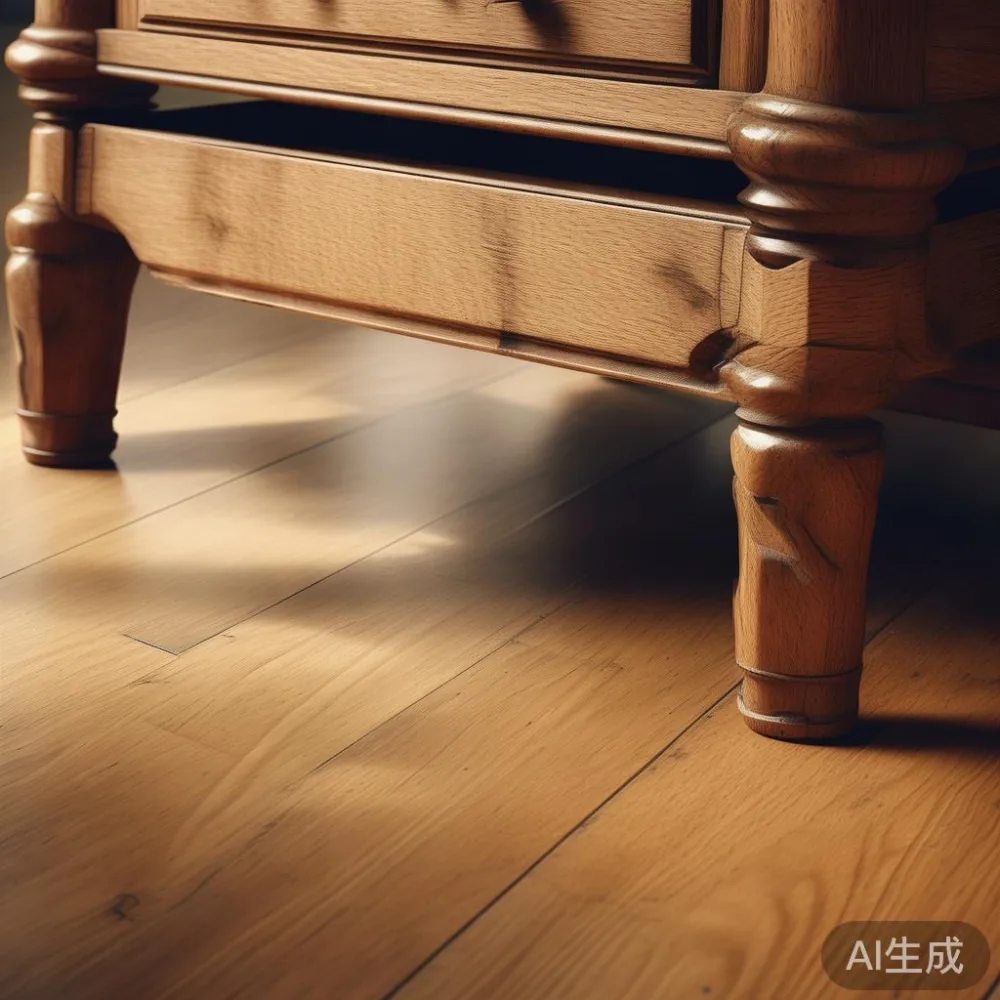
Before we get into the numbers, it's important to understand what we're comparing. Solid wood furniture, like a bedside table from a maker of Foshan furniture, is crafted from a single piece of lumber or solid wood planks joined together. The natural grain, knots, and variations are part of its charm. It's a material that ages gracefully, developing a unique patina over time. In contrast, a veneered bedside table is made from a thin layer of real wood (the veneer) glued onto a substrate, typically MDF (Medium-Density Fibreboard) or plywood. The substrate provides the shape and structure, while the veneer provides the appearance of solid wood. The key difference lies in longevity and repairability. Solid wood can be sanded and refinished multiple times, while a damaged veneer is often irreparable, exposing the less attractive substrate underneath.
Initial Investment: Breaking Down the Singaporean Price Point
The first financial hurdle is the upfront cost. In Singapore, where space is a premium and quality is often prioritised, this initial investment varies significantly. For a standard bedside table measuring 45cm wide, 40cm deep, and 55cm tall, the price difference is stark.

A solid wood bedside table, crafted from durable hardwoods like oak or walnut, typically starts at SGD 450. This price reflects the material cost, the skilled labour required for construction, and the inherent value of a natural product. A veneer alternative of the same dimensions can be found for as low as SGD 180. This lower price point is driven by the cheaper MDF/Plywood core and less intensive manufacturing processes. The difference is immediately apparent. For a homeowner in Bedok furnishing a master bedroom, this initial saving of SGD 270 is substantial. However, this is just the beginning of the financial story. The GST of 9% applies to both, adding approximately SGD 40.50 to the solid wood option and SGD 16.20 to the veneer, bringing the initial outlay to SGD 490.50 and SGD 196.20 respectively.
Year 1-2: The honeymoon phase and minor wear and tear
The first two years are generally uneventful for both types of bedside tables. The solid wood piece might show some minor settling of its joints, a natural process that adds to its character. The veneer piece will look identical to the day it was purchased. A key factor here is delivery. A solid wood piece from a reputable maker will be professionally delivered and assembled, often taking 7-10 business days. The veneer piece, being lighter and more compact, might arrive flat-packed for self-assembly within 3-5 business days. The weight difference is notable; the solid wood table weighs approximately 18kg, while the veneer version is closer to 12kg. This makes manoeuvring it through HDB corridors or condo lift lobbies slightly easier for the veneer option.
During this period, the only real expense is the occasional polish. For a solid wood table, a high-quality furniture cream costs around SGD 25 a bottle, lasting for a year with regular use. The veneer table requires a different, non-silicone polish to avoid damaging the thin surface, costing about SGD 18. By the end of year two, the total cost of ownership for the solid wood table is SGD 490.50 (initial) + SGD 25 (polish) = SGD 515.50. For the veneer table, it's SGD 196.20 (initial) + SGD 18 (polish) = SGD 214.20. The veneer option still holds a significant financial lead.
Year 3-4: The tipping point and the reality of damage
This is where the financial paths begin to diverge. The natural durability of solid wood becomes a tangible advantage. A solid wood bedside table can withstand minor bumps and scratches. If a ring from a glass is left, it can often be buffed out. The veneer, however, is far more susceptible. A small ding on the edge can crack the veneer, exposing the grey MDF core. A hot mug placed directly on the surface can leave a permanent, discoloured mark that cannot be sanded out.
Last month, I visited a colleague's condo in Punggol. She had a beautiful designer European light luxury furniture set in her bedroom, featuring a veneered bedside table. She was frustrated because her young child had accidentally knocked over a water bottle, and the moisture had seeped into the veneer, causing it to bubble and warp. Repairing this kind of damage is not feasible. The only solution is replacement. A new veneer bedside table would cost another SGD 196.20 plus GST. For the solid wood option, a similar incident might result in a minor dent, which a professional repair service could fix for approximately SGD 80. This repair preserves the original piece. By the end of year four, the veneer table might need replacing, pushing its total cost to SGD 214.20 + SGD 196.20 = SGD 410.40. The solid wood table's cost is SGD 515.50 + SGD 80 (repair) = SGD 595.50. The gap has narrowed considerably.
Is a solid wood bedside table really worth the extra money?
This is the question many Singaporean homeowners ask when standing in a showroom. The answer lies in the long-term perspective. A solid wood bedside table is an investment. It's a piece that can be moved from one HDB to another, from a Tampines flat to a Punggol condo, and it will retain its structural integrity and beauty. Its value depreciates much slower than a veneer piece. A high-quality solid wood nightstand can even be considered an heirloom piece.
Consider the scenario of moving. A solid wood piece, with its 10-year structural warranty common from established makers, is a stress-free asset. A veneer piece, with no such structural guarantee, risks being damaged during the move, given its heavier reliance on glue joints. The peace of mind that comes with a lifetime refinishing offer, something often associated with premium solid wood brands, is a factor that cannot be quantified in dollars but is invaluable. The ability to sand down nicks and scratches and reapply a new finish means the piece can look brand new decades later, a feat impossible for veneer.
Year 5: The Final Financial Tally and Residual Value
After five years, the financial comparison is complete. Let's assume the solid wood table has aged gracefully, requiring only its annual polish (SGD 25). Its total cost is SGD 515.50 (Year 2) + SGD 25 (Year 3) + SGD 25 (Year 4) + SGD 25 (Year 5) = SGD 590. The veneer table, having been replaced once in year four, now faces the same challenges of wear and tear. It will likely need another replacement by year five, or at the very least, look significantly worn and dated. Its total cost would be SGD 410.40 (from Year 4 replacement) + SGD 18 (polish) = SGD 428.40, plus the cost of a second replacement, bringing it well over SGD 600.
Also, consider residual value. If you decide to sell your second-hand furniture on platforms like Carousell, a well-maintained solid wood bedside table might fetch 30-40% of its original price. A five-year-old veneer table, on the other hand, has virtually no second-hand value. It's considered disposable. This hidden cost of depreciation is a critical part of the long-term equation. When you factor in this potential loss, the solid wood option proves to be the more financially sound choice over the five-year period. For a homeowner who appreciates pieces like the best French sofa for 2026 or a marble table, the consistency in quality and longevity offered by solid wood is a logical extension of their design philosophy.
The Hidden Costs of Style and Compatibility
Beyond the direct financials, there are hidden costs related to style and compatibility. A veneer bedside table might look good initially, but its finish can appear flat and less authentic over time. It may not pair as well with other solid wood furniture pieces you acquire later. If you start with a veneer table and later decide you want a cohesive set of designer European light luxury furniture, you may need to replace the bedside table again to match the quality and texture of a new solid wood bed frame or wardrobe.
Conversely, a solid wood bedside table integrates smoothly. It complements a solid wood sofa, a dining table, or a wardrobe without looking out of place. This consistency in material quality contributes to a more sophisticated and harmonious home interior. The initial higher cost of a solid wood piece is offset by its role as a foundational item in your home's decor, saving you from the future expense and hassle of replacing it to match new acquisitions. The question is European light luxury wardrobe worth it? often extends to smaller pieces, and the answer is yes, when considering the long-term aesthetic and financial coherence of your space.
In the context of Singaporean living, where our homes are our sanctuaries, the choice of a bedside table is more than just a functional decision. It's a reflection of personal values. Opting for solid wood is a choice for durability, sustainability, and timeless style. It's a choice that respects the craft, as seen in the work of a maker of Foshan furniture who has perfected the art for over a decade. While the veneer option offers a tempting low entry point, its true cost reveals itself over time. For the Singaporean homeowner who plans to stay in their home for years, who values quality over quantity, and who wants a piece that will tell a story, the solid wood bedside table is the clear and more economical investment in the long run.