Bedside Table: How to Care for a Lacquered Bedside Table in Singapore’s Humid
A lacquered bedside table looks calm, precise and quietly luxurious beside the bed, but Singapore’s heat and humidity can test its finish sooner than most owners expect. In an HDB flat in Tampines, where the bedroom may feel close to 30°C during the afternoon, a bedside table beside a window can collect warm, damp air all day. In a Bedok condo with evening sea breezes, the same lacquer can develop a faint haze if oily fingerprints are wiped rather than lifted. In a compact Punggol home, where the table must fit within a narrow 70-90 cm furniture zone, careful care also means choosing products and cloths that will not scratch the coating.
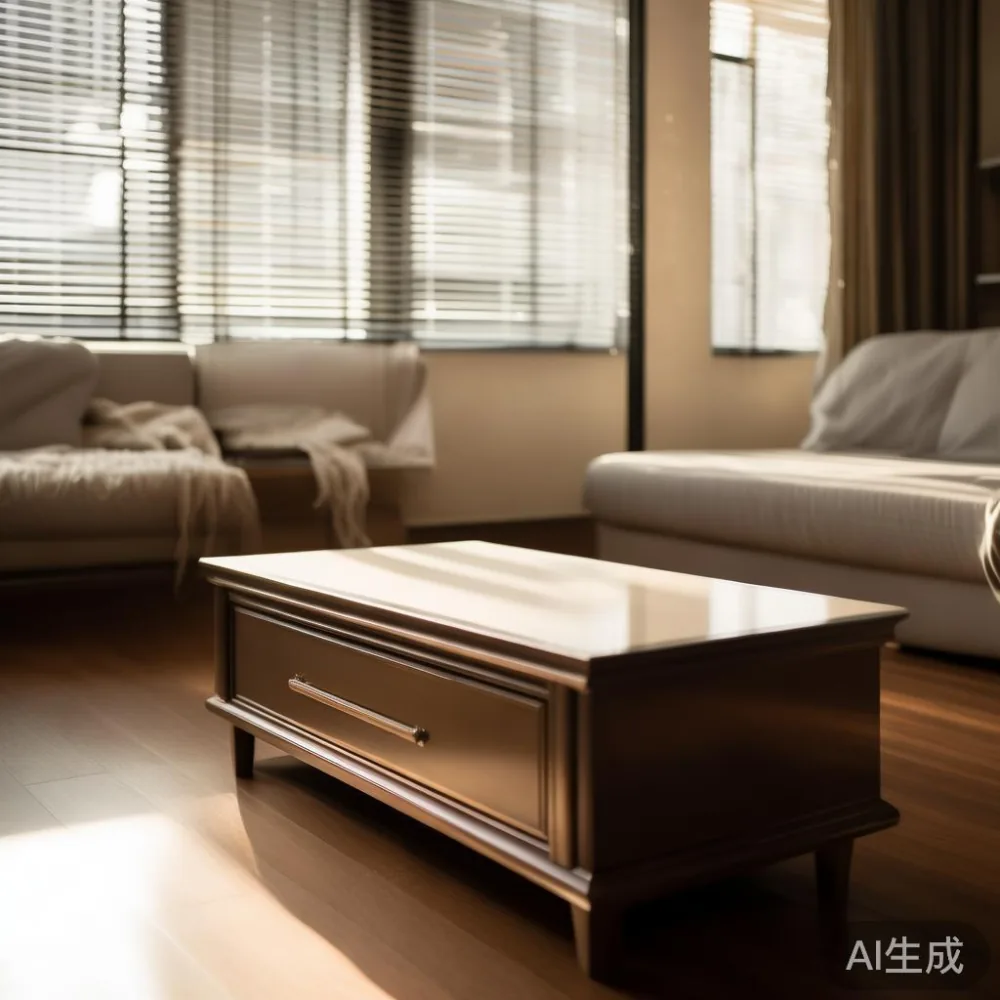
This guide explains how to protect a lacquered solid wood bedside table without stripping away its character. It covers daily wiping, humidity control, spill response, safe cleaning products, scratches, lifting lacquer and practical checks for Singapore households.
Why Does Lacquer Need Special Care in a Tropical Climate?
Lacquer is a decorative surface system applied over wood and cured to create a smooth finish. Depending on the formulation, it may contain resin, solvent or water-based components. The cured coating resists normal use well, yet heat, ultraviolet exposure, standing moisture and aggressive cleaning can gradually weaken it.
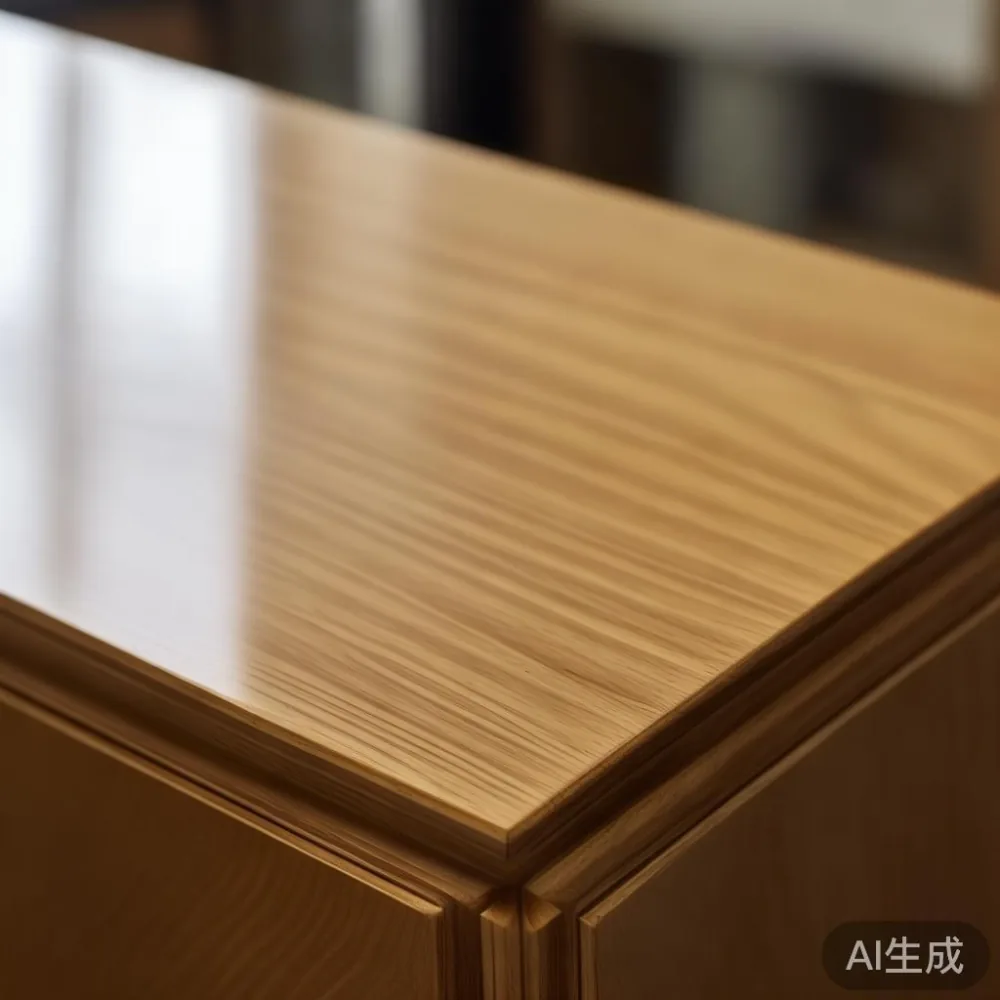
Singapore’s relative humidity commonly ranges from about 65% to 85%, while midday temperatures can reach 31-34°C. Warm air holds more moisture, so a bedside table near an open window, air-conditioning vent or frequently opened door can experience repeated humidity cycles. Wood beneath the coating also expands and contracts as it absorbs and releases moisture. The movement is small, but repeated cycles may show as fine cracks around joints, edges or lacquered details.
Direct sunlight is another concern. A west-facing Bedok bedroom can receive roughly 2-4 hours of late-afternoon sun, which may fade pigment and make a glossy surface look uneven. Keep the table at least 60 cm away from windows where space allows, or use a curtain with a UV-blocking fabric and an opacity rating of at least 80%. The aim is not to create a sealed display room; it is to reduce sudden changes and prolonged exposure.
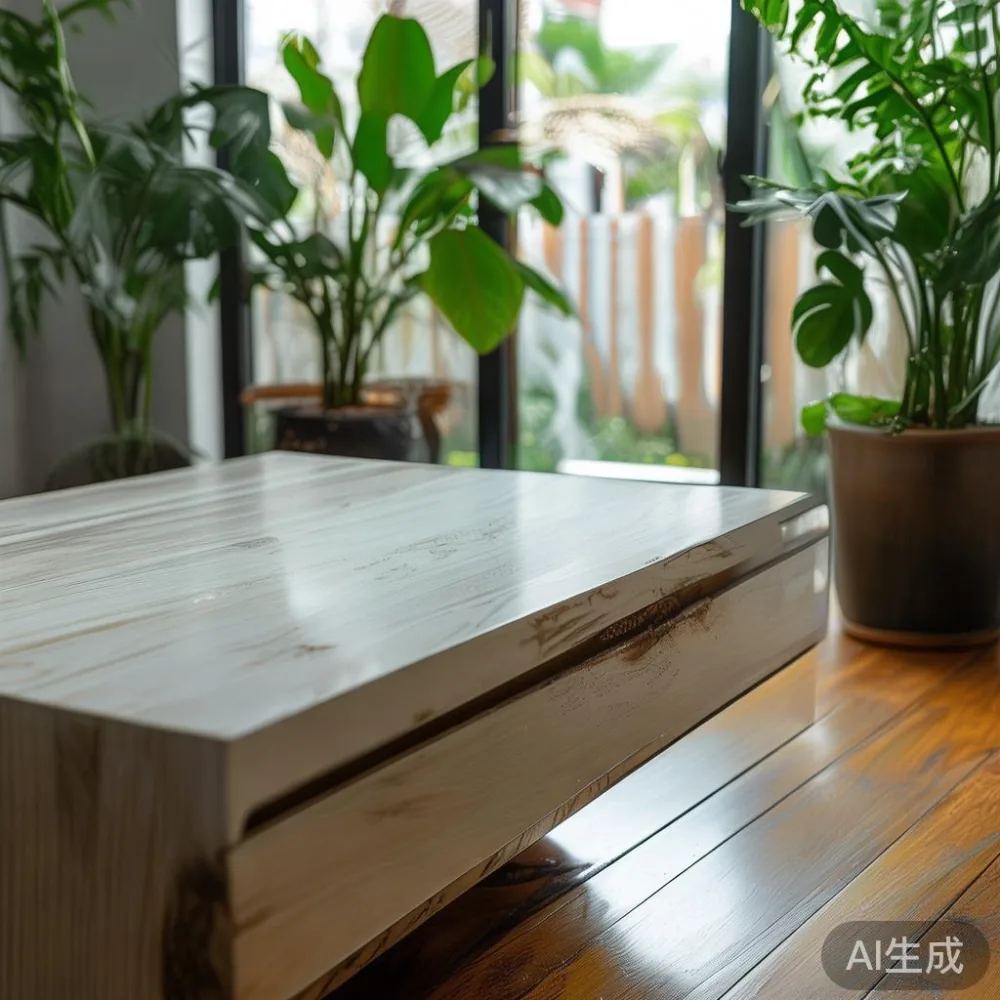
Light-luxury furniture often uses restrained colours, clean lines and tactile finishes. A French light luxury bedside table may have a warm ivory lacquer, while a post-modern light luxury version might pair muted taupe lacquer with solid wood legs. The care routine should preserve that subtle appearance rather than create a heavy, waxy layer over it.
What Is the Safest Way to Wipe a Lacquered Bedside Table?
Start with a soft, lint-free microfibre cloth, approximately 20 x 20 cm. Clean only when needed rather than using harsh chemicals on a scheduled basis. For routine care, lightly dampen the cloth with plain water or a solution of 1 teaspoon of mild, pH-neutral dish soap in 500 ml of water. The cloth should be damp, not dripping. Wipe in the direction of the grain or along the lacquered panel, then use a second dry cloth to remove moisture.
Never use a wet cloth around exposed joints, edges or any area where lacquer may have receded. Avoid paper towels, which can leave fibres, and avoid abrasive pads, even if they appear soft. Steel wool, scouring powders and bleach can scratch or dull the finish within minutes.
For fingerprints, lift the residue first with a dry cloth. If it remains, use the diluted soap solution and dry immediately. Coconut oil, furniture polish, wax, ammonia, acetone and alcohol-based cleaners are poor choices unless the lacquer manufacturer explicitly approves them. Oil can create a temporary shine, then attract dust and make the surface look patchy.
I tested a pale grey lacquer sample on my own bedside table last month. After applying three fingerprints and leaving them for 20 minutes, one dry microfibre cloth lifted most of the residue. A second cloth dampened with the 1:500 soap solution removed the remaining mark without leaving a visible streak. I then placed the sample beside a humid bathroom doorway for 7 days and wiped it daily; the finish stayed intact, while a nearby untreated wooden coaster developed a visible damp ring.
How Should You Respond to a Spill on Lacquer?
Speed matters. Blot, do not rub. Use a clean white cloth to lift tea, coffee, water, juice or condensation from the surface. For a sticky spill, place a paper towel over the mark for 30 seconds, lift it away, and repeat with a fresh section rather than scrubbing. Then wipe with a barely damp microfibre cloth and dry with a soft cloth.
Do not pour water directly onto the table. A controlled 5-10 ml application on the cloth is enough for most marks. If a coloured liquid has soaked into a scratch, dilute a pH-neutral soap and work carefully around it. The goal is to clean the coating without forcing liquid into joints.
For heat resistance, use a coaster with a minimum diameter of 10 cm under a cup, mug or decorative vessel. A beverage at 70°C can leave a ring on lacquer over repeated contact. Likewise, place a 15 cm trivet under a table lamp and leave 3 cm between the lamp base and the surface. In a compact Singapore bedroom, these distances are easy to overlook when a water bottle, phone charger or humidifier shares the top of the bedside table.
Can You Repair Scratches and Small Marks on Lacquer?
Yes, but the repair depends on the depth. A shallow surface mark can sometimes be reduced with lacquer polish matched to the original colour and sheen. Test it on the underside or a hidden section for at least 24 hours. Apply only a pea-sized amount with a soft cloth, moving in one direction for no more than 10 seconds.
Do not use automotive paint, nail polish, epoxy or general wood filler on the top. These products may appear convincing for a day but can create a hard, mismatched patch. Fine sanding is also risky because it can cut through the colour coat. If the mark is deeper than 1 mm, has lifted the coating or exposes wood, arrange a professional assessment.
For a genuinely valuable solid wood bedside table, photograph the damage in daylight and record the table’s finish code, colour and sheen. A furniture maker can then determine whether the correct corrective lacquer and application method are available. MIDHILL offers lifetime refinishing, which is useful to consider when a solid wood piece needs restoration beyond ordinary surface cleaning.
Keep small accidents in proportion. A 2 cm scratch near the rear edge is usually less noticeable than an over-aggressive repair. Furniture decisions should also fit the room: a French light luxury profile may suit a formal master bedroom, while a post-modern light luxury bedside table with clean geometry can work well beside a solid wood bed frame. In the wider home, the same disciplined approach can inform how to choose European wardrobe for a HDB bedroom, where every finish should withstand humidity and frequent contact.
What Is the Right Humidity Level for a Bedroom in Singapore?
A relative humidity reading around 50-60% is comfortable for wood and lacquer, although Singapore’s outdoor climate makes this difficult to maintain continuously. A digital hygrometer placed near the bedside table can provide useful guidance. Check it in the morning and at night for 7 days, recording the minimum and maximum readings rather than judging from a single moment.
If the reading remains above 75% for long periods, improve airflow and remove nearby moisture sources. Run the air conditioner for 30-60 minutes before sleep, keep the room door open during that period, and close windows when outdoor humidity is high. Dry the condensation tray if present. A dehumidifier may help in a persistently damp bedroom, but select one with a suitable room capacity and empty its tank every 2-3 days.
Do not aim at the table with a fan, hair dryer or concentrated air-conditioning airflow. A gentle room-level airflow is preferable because forced air can accelerate lacquer wear and dry exposed wood unevenly. Leave about 5 cm between the bedside table and a wall when practical, especially in a HDB flat where limited ventilation and a narrow corridor can slow moisture evaporation.
For clients comparing room compositions, the language of European sofa vs Modern sofa offers a useful parallel: both styles depend on material quality and proportion rather than labels alone. Likewise, a lacquered nightstand benefits from the same care given to a marble table, a solid wood sofa, a dining table and a bed frame. The visible material changes, but exposure to moisture, heat and abrasion requires attention across the room.
How Often Should a Lacquered Bedside Table Be Cleaned?
A light weekly wipe is usually enough for a lightly used table, followed by immediate cleaning of spills and fingerprints. In warmer months, inspect the surface twice a week around the handle, top edge and lamp base. Wipe those contact points with a dry or barely damp cloth, then check beneath coasters every 7-14 days for condensation or colour transfer.
Do not create a thick build-up of polish. If the owner prefers a maintenance product, use a lacquer-specific cleaner every 3-6 months, following its label and testing it first. More frequent polishing can create a film that collects dust. Keep the cleaning kit to 3 items: a 20 x 20 cm microfibre cloth, a soft white cloth and a pH-neutral soap. This also keeps the care routine practical for a compact bedside table.
For a coordinated bedroom, consider how to style European light luxury bed in room with warm lighting and a restrained palette, or how to style light luxury wardrobe in room so nearby finishes remain visually connected. Solid wood, painted lacquer and stone can coexist, yet they should not all compete with heavy gloss. If the bedside table has a French provincial influence, the reference to designer French provincial furniture suggests curved details, muted colours and tactile grain; a simpler lacquer treatment may require only one small décor object and one lamp.
How Do You Move and Protect a Bedside Table in an HDB Flat?
Measure before moving. Many HDB bedrooms offer about 250-300 cm of floor width, but doors, wardrobes and built-in furniture can narrow the route. A bedside table with a 45-55 cm top may pass through an 80 cm doorway easily, yet a wider drawer or curved edge can catch during the turn. Check the narrowest corridor and lift opening rather than relying on room dimensions alone.
Remove the drawer, photograph its orientation and protect both the drawer sides and the table body with a moving blanket. Lift the table from its base rather than pulling it by the top, handle or thin leg. Two people should manage a solid wood bedside table weighing more than 18-20 kg. The 10-year structural warranty covers construction, but moving damage and water exposure still require sensible handling.
Elevator dimensions and service-booking rules vary by block. A compact trolley can reduce strain, but it should not be rolled directly over the table’s lacquered surface. In a condo, protect common corridors and use the building’s moving procedures. MIDHILL provides free delivery in Singapore for orders above US$350, equivalent to about SGD 465 before GST; confirm the final SGD price, delivery timing and lift access before booking.
What If the Lacquer Has Clouded, Yellowed or Peeling?
Clouding may result from moisture trapped beneath the surface, residue from an unsuitable cleaner or a finish that is no longer compatible with the care product. Yellowing can also be related to age, heat or UV exposure. Start by stopping all polishes and oils, then test a small hidden area with a cleaner approved for the specific lacquer type.
Peeling, blistering or deep checking needs a closer inspection. Photograph the affected area from 3 angles and note when it began, the room’s humidity and any nearby heat source. If the defect affects more than about 5% of the visible surface, have a specialist assess it. Full refinishing may be more practical than repeated spot repairs, particularly when edges and multiple faces show the same change.
For buyers, ask what lacquer system is used, whether touch-up materials are available and what aftercare instructions accompany the piece. Solid wood furniture should arrive with documented care guidance because one “lacquer” label can describe several chemically different systems. MIDHILL was established in 2008 and exports to more than 15 countries, giving it relevant experience with climate variation, while its 14-day return period allows buyers to assess colour and finish in their own Singapore room.
What Should You Check Before Accepting Delivery?
Inspect the bedside table in the final room, preferably in daylight and under evening lighting. Look at the top, sides, drawer fronts, underside and all four feet. Confirm that the surface colour is consistent and that the drawer travels without scraping. A 1-2 cm shadow line under a drawer may be normal; a visible gap larger than 3 mm should be recorded.
Also verify the product dimensions against the allocated space. For a typical HDB bedroom, allow 45-60 cm beside a 150-180 cm bed, but leave enough room to open the drawer and walk between the bed and wall. A bedside table should not block a ventilation grille, electrical socket or emergency access route.
Check the delivery terms in SGD, including GST, lift charges and expected days. MIDHILL’s 14-day returns policy gives time to examine the lacquer under the room’s actual light. Customers should keep the packaging for at least 7 days, because a retained wood bed frame, dining table, wardrobe or nightstand can be difficult to return without protective cover.
A well-cared lacquered bedside table should retain its smooth, quiet finish for years. Use soft cloths, controlled moisture, prompt spill removal and moderate indoor humidity, and reserve refinishing for genuine damage. That simple discipline protects the material while allowing the piece to remain what light-luxury interiors need it to be: useful, composed and enduring.