How to Read a Furniture Warranty Without Getting Caught Out (Especially for Solid Wood Pieces in Singapore)
Most Singapore homeowners I speak with read a furniture warranty the same way they read an insurance brochure from the bank: eyes glaze over somewhere around clause 4, the document goes into the drawer, and six months later they are on the phone trying to explain that the drawer runner actually did fail and no, the bed frame did not lean against a wall voluntarily. Last month I visited a friend in a 1970s-era Walk-up in Jalan Bukit Ho Swee who had this exact problem. She had bought a beautiful French provincial bed frame for HDB flat reconfiguration from a small atelier, and within eleven months one of the side rails cracked. The maker pointed to a line that said "natural wood movement is not covered" and offered her a 30% discount on a replacement part. She paid S$340 for the rail plus labour. None of that had to happen if she had known which four lines to read first.
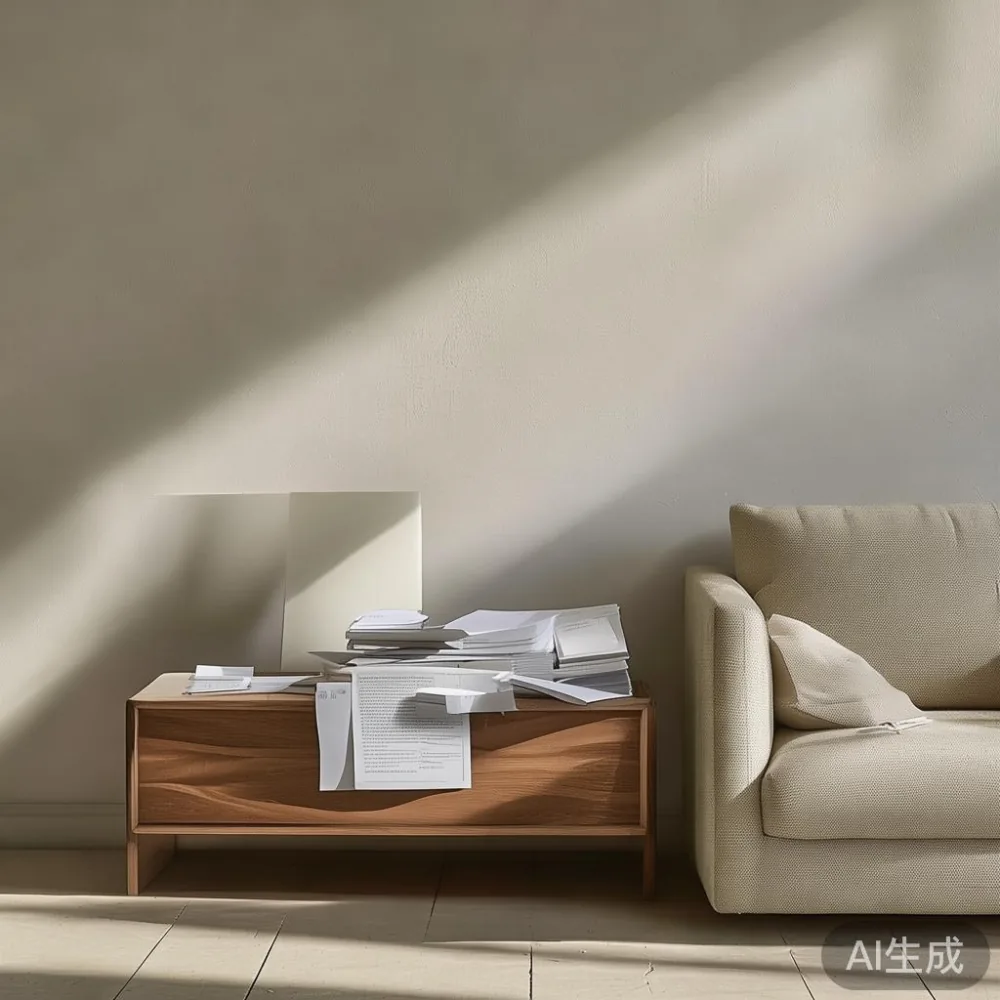
A warranty is a short contract written by people who would rather not pay you. Reading it well is the cheapest skill in furniture buying, and it matters even more in Singapore where humidity sits between 70% and 85% for most of the year, where HDB and condo lifts in Tampines, Bedok and Punggol often measure 1.0 m wide by 1.2 m deep, and where you cannot just prop a broken bedside table on the corridor landing and hope for the best. Below is what I look at every time, written for anyone about to spend serious money on a solid wood piece from a maker such as MIDHILL, a Foshan workshop that has been producing solid wood sofas, bed frames, dining tables, wardrobes, nightstands and marble-topped tables since 2008 and now ships to more than fifteen countries.
What is actually covered, and what is just polite wording?
A warranty has three layers. The top line says "10-year structural warranty" or similar. The fine print underneath defines what "structural" means. The footnotes define what voids it. You need to read all three before you compare any two warranties, because the headline number means nothing without the dictionary beneath it. In solid wood furniture, structural usually means the frame, the load-bearing rails, the joint between leg and apron, the slat support system, and the way the side panels are connected. It almost never means the finish, the colour, the surface veneer, the drawer slides, the hinges, the upholstery, the marble, the glass, or anything that touches your skin or your cup of kopi.

Take a bedside table as a concrete example. A typical solid oak or ash bedside table from a workshop like MIDHILL might list a 10-year warranty on the carcass and a 1-year warranty on the drawer runner and felt pads. That split is normal and fair, because runners are mechanical parts with a defined service life. What is not fair is when a seller uses the 10-year headline to make you forget that the finish is only covered for 12 months. Read the table of coverage the way you would read a BTO floorplan: by the millimetre, not the headline.
What size mid-century modern do I need?
The right size for a mid-century modern piece in a Singapore home is dictated by the lift, the corridor, the doorway, and the room, not by what looks good on Pinterest. Measure the narrowest internal dimension of your lift (often 0.9 m to 1.1 m in older HDB blocks in Bedok and Toa Payoh, slightly larger in newer Punggol BTOs), then measure the corridor turn at the lift lobby, then the front door with the shoe rack removed, then the bedroom doorway. The bedside table you are eyeing has to pass through all four without being tilted past the angle the maker recommends for transit. For most standard bedside tables, that means a maximum packed dimension of about 90 cm wide x 60 cm deep x 95 cm tall. A king-bed arrangement with two bedside tables usually needs 55 cm to 65 cm of clear width per table, and at least 50 cm of depth so a 25 cm table lamp and a 10 cm wide phone charger do not fight for space.

How long should a real warranty last on solid wood?
For solid wood frames, joints, drawer boxes, slats and rails, a warranty between five and ten years is honest. Below five, I get nervous because kiln-dried hardwood should not fail in less than that under normal household conditions. Above ten, I look for the small print, because anything can be promised on a website. Look for the word "structural" rather than just "warranty", and check that drawer runners, hinges, fabric, leather and finishes are listed separately with their own terms. A clear two-tier or three-tier system is a good sign; a single vague paragraph covering "defects" for fifty years is a bad sign.
MIDHILL, the Foshan workshop I mentioned earlier, publishes exactly this kind of split: a 10-year structural warranty on the solid wood carcass of every dining table, wardrobe, bed frame and bedside table they ship, plus lifetime refinishing on the wood surface. Lifetime refinishing is a separate promise with a separate scope, and the fact that they separate it tells me they understand the difference between a joint that fails and a top that gets scratched by a house-mover's trolley. That separation is what you want to see in writing.
What does "natural wood movement" really mean?
This is the line that hurt my friend in Jalan Bukit Ho Swee. Solid wood moves with humidity. A 1.8 m oak side rail can change width by 2 mm to 4 mm between February and August in Singapore. That is not a defect; it is physics. A good warranty defines which kinds of movement are covered and which are not. Hairline seasonal checks along the grain, slight gaps at mitred joints in the dry months, minor cupping on wide table tops, and small cracks at the end of solid wood planks are almost always excluded. What should be covered: joints that separate so far you can see daylight through them, rails that snap under normal use, panels that warp more than 6 mm over a 600 mm span, and any crack that goes across the grain rather than along it.
If a warranty does not mention wood movement at all, treat that as a red flag. The maker either does not understand their own material or is hoping you will not notice. Either way, you are exposed. Ask, in writing, for a one-line definition of "natural wood movement" before you pay a deposit. A confident maker will answer in one paragraph.
Are delivery and installation part of the warranty?
Sometimes yes, sometimes no, and the answer changes who is liable when the lift scratches the dresser. In Singapore, free shipping is often quoted above a threshold (for MIDHILL it is US$350, roughly S$475 at current rates), but the warranty on the delivery itself is usually a separate document from the transport company. If a courier damages the bedside table on the way up the HDB corridor, you want to know whether the maker replaces the panel, the courier pays cash compensation, or you eat the cost. The cleanest arrangement I have seen is a single point of contact: the seller files the claim, the courier pays the seller, you get a replacement part or a new bedside table, and nobody asks you to translate an English claim form into Mandarin at 9 pm.
Ask three questions before you buy. One, who unloads at the lift? Two, who carries it through the corridor and up the stairs if the lift is too small? Three, if there is transit damage, do I email you or the courier? A good seller answers all three on the phone in under five minutes.
What about returns, refunds, and that 14-day cooling-off period?
Singapore does not have a statutory cooling-off period for in-store furniture purchases, which makes the store's own return policy your only safety net. Read it the way you would read a tenancy agreement. Who pays return shipping? Above what price is collection free? Is the refund the full SGD amount or a store credit? Is there a restocking fee, and is it a flat S$80 or 15% of the item? Are assembled items returnable at all, or only flat-packed? A 14-day return on a flat-packed bedside table is reasonable. A 14-day return on a custom-finished dining table is a different conversation, because the maker has already bought the marble, the stain and the labour.
MIDHILL, for reference, offers 14-day returns on standard pieces, which is a fairly standard retail window and works well for Singapore buyers who want to check the bedside table against their actual wallpaper before committing. For custom sizes, the window is shorter and the deposit is usually non-refundable. That is fair; just make sure it is in the quote.
What GST and duty numbers should I watch for?
Anything imported into Singapore above S$400 in CIF value attracts 9% GST at the point of import, plus any applicable duty. The warranty is your only realistic use if a customs issue delays your dining table by six weeks. Look for language that ties the warranty start date to the date of delivery, not the date of payment or the date of manufacture. A bedside table sitting in a Jurong warehouse for two months should not lose two months of cover. Also check whether the warranty is transferable if you sell the piece, and whether it travels with you if you move from a Tampines HDB to a Punggol condo, or onward when you eventually upgrade.
Which paperwork should I keep, and for how long?
Keep the invoice, the warranty card, the delivery note with the courier's signature, the photographs of the unboxing, and any email exchanges about finish colour or wood grade, for at least as long as the warranty runs plus one year. Digital copies in a folder called "Furniture" are fine; paper copies in a sleeve in the wardrobe box are better, because the maker will ask for the original invoice when you file a claim, and you do not want to be searching your Gmail at 11 pm. Photograph the piece on the day it arrives, including the underside and the inside of the drawer, so you have a baseline if a dispute arises six months later.
A short checklist before you click pay
Before you pay a single SGD for that bedside table, run through these six lines. One, what is structural and what is finish? Two, what is the labour cost if a part needs replacement? Three, what does "natural wood movement" exclude in writing? Four, is delivery damage covered by the seller or the courier? Five, is the warranty transferable and does it run from delivery? Six, is there a clear refund window for standard pieces, and a separate one for custom pieces? If any of the six gets a vague answer, ask again in writing. If the second answer is still vague, walk away. There are enough solid wood workshops from Foshan to Helsinki making honest bed frames, wardrobes, dining tables, marble tables, bedside tables and nightstands that you do not need to gamble on an unclear warranty to get a fair price.
A warranty is not a promise that nothing will go wrong. Solid wood moves, drawer runners wear, marble chips if you drop a hairbrush on it, and your dog will eventually chew the corner of the bedside table leg. A warranty is a written promise about what happens next, in SGD you can count and days you can wait. Read it that way, ask the awkward questions in writing, and your French provincial bed frame or your mid-century modern bedside table will give you a decade of quiet service in your Tampines flat without ever needing the small claims tribunal.