How Humidity Affects Solid Wood Bedside Tables in Singapore Homes
Humidity is rarely visible in a Tampines HDB flat, yet it can quietly change the dimensions, surface and joints of solid wood furniture. Singapore’s warm, equatorial climate brings several practical concerns: air-conditioning lowers daytime moisture, monsoon periods raise it, and a bedside table may stand beside a window, a sliding-door wall or an air-conditioning outlet where its local environment differs from the rest of the room.
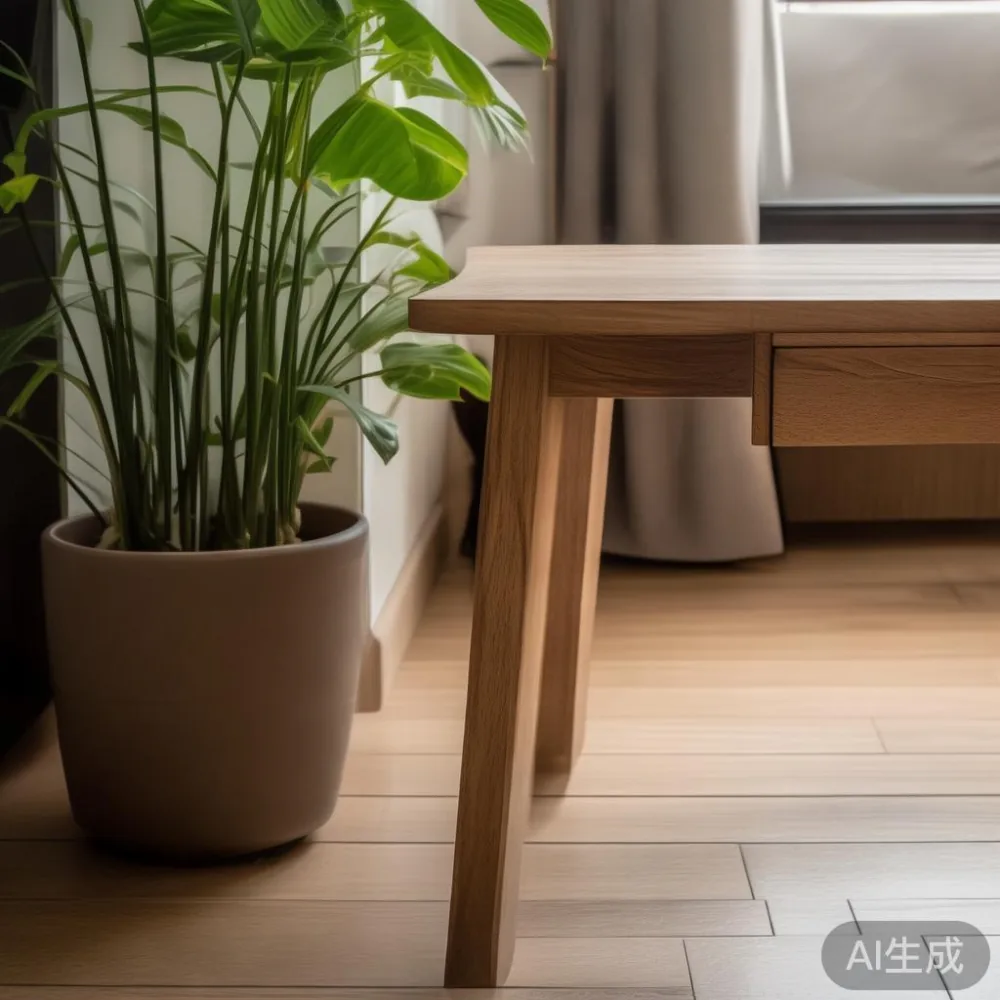
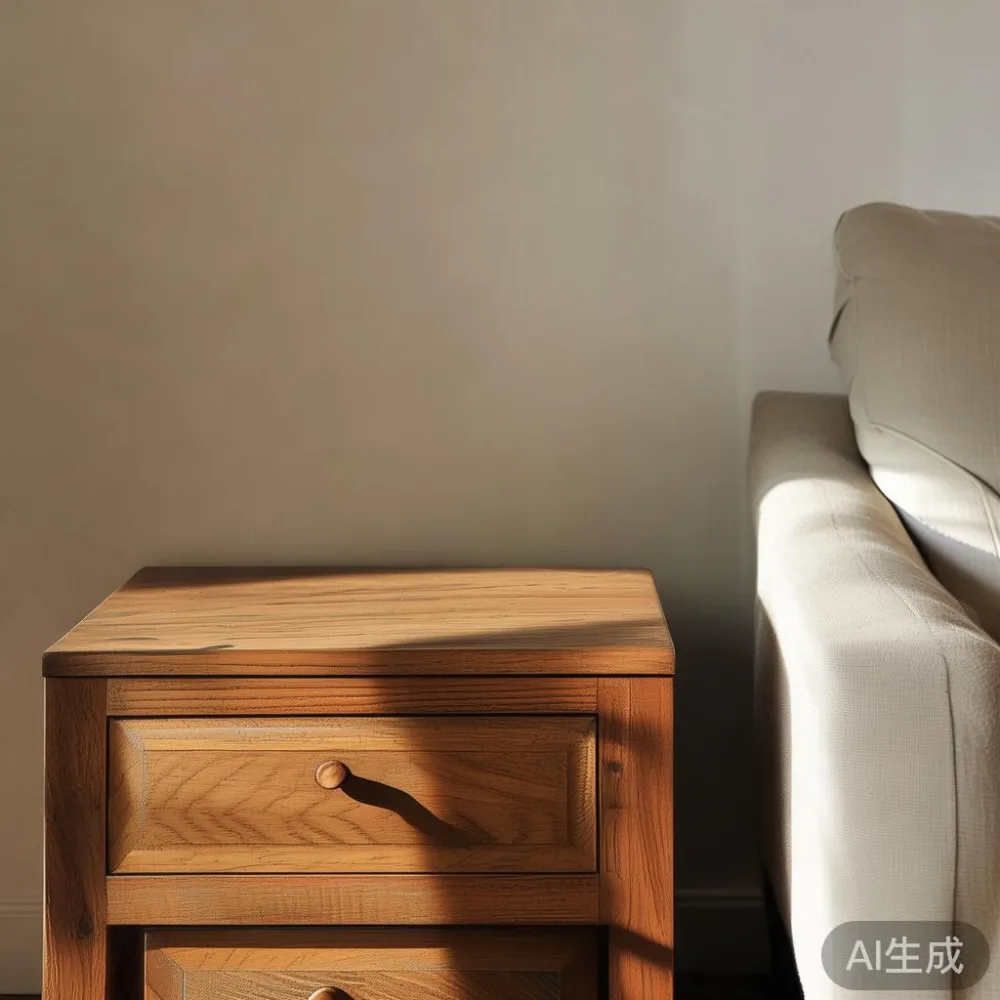
This guide focuses on the bedside table: a small piece of furniture with a large exposure to spills, heat, moving air and daily contact. At MIDHILL, we build solid wood bedside tables for practical Asian homes, including compact HDB layouts where a narrow lift, a 90 cm corridor or a slim bedroom changes what can be delivered and installed comfortably.
Wood is not inert. It absorbs moisture when the surrounding air is humid and releases it when the air is dry. The resulting movement is measured in fractions of a millimetre across the width of a board and can be several millimetres across a wide panel. That movement can cause drawer sides to tighten, doors to shift and finished surfaces to check. Good humidity control protects the bedside table without requiring a climate-controlled display room.
What Singapore’s humidity does to solid wood furniture?
Singapore’s monthly relative humidity commonly ranges around 65% to 85%, although readings vary by location, rainfall, building orientation and time of day. An HDB unit on level 11 in Punggol can experience more air movement than a ground-floor Bedok flat overlooking a sheltered courtyard. Condo bedrooms can also have larger glazing and stronger air-conditioning, producing short cycles between humid outside air and dry conditioned air.
Solid wood reacts to humidity through its annual and seasonal movement. Oak, ash, beech and similar hardwoods used for furniture typically show measurable dimensional change as their equilibrium moisture content follows the local air. A 50 cm wide solid wood panel may expand or contract by roughly 2 mm to 5 mm over a substantial seasonal change. Veneered panels can move too, but they often show that movement differently because thin veneers and their adhesive layers are more sensitive to edge exposure.
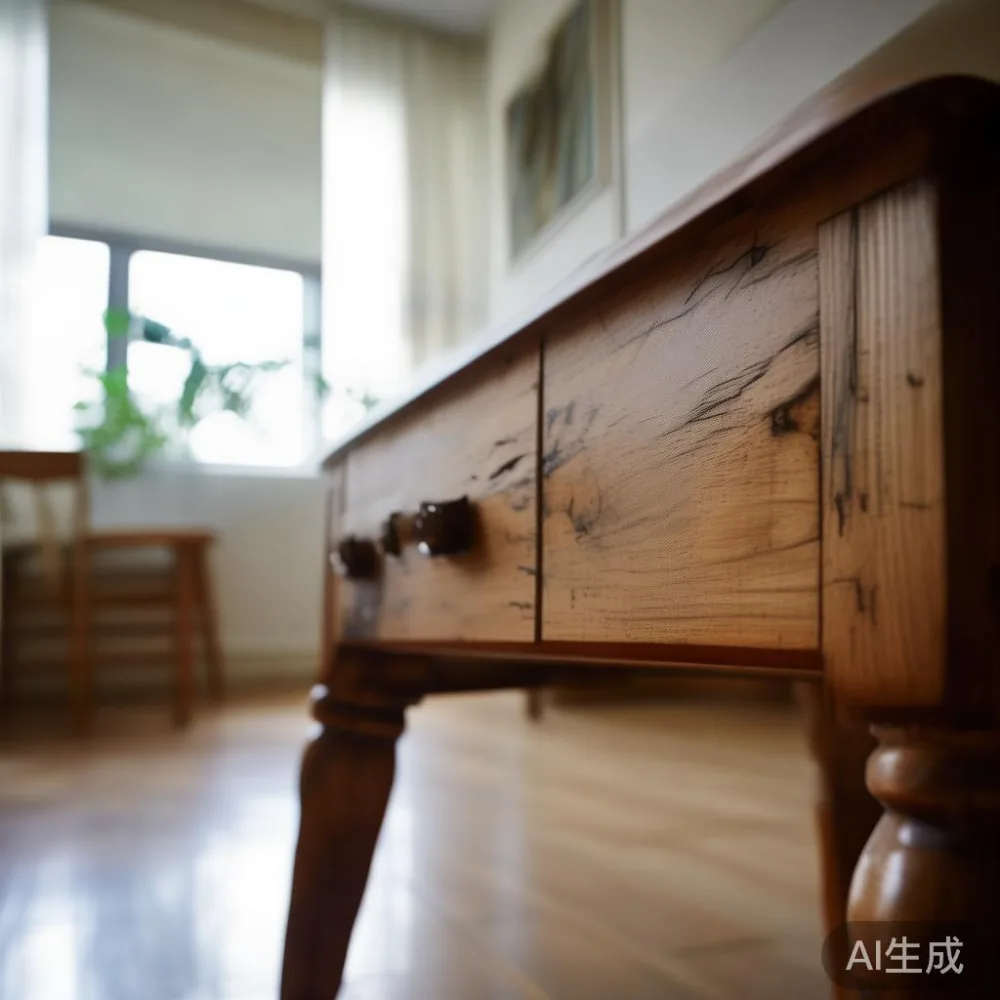
Seasonal timber movement should not be confused with defective construction. A well-made bedside table needs a panel design that allows controlled expansion and contraction. However, direct standing water, a persistent leak behind the wall or repeated wetting along the floor line can cause swelling, fungal staining or joint weakness. The climate sets the conditions; placement and care determine how severe those conditions become.
For solid wood sofas, bed frames, dining tables and wardrobes, the same basic moisture principle applies, but their scale makes visual movement more noticeable. A 180 cm dining table top can change across its width by several millimetres, while a tall wardrobe panel may shift visibly at its top. This is why solid wood furniture should acclimatise gradually rather than being moved directly from a cool delivery van into a warm bedroom.
How should I choose a bedside table for a humid HDB bedroom?
Start with the bedroom’s clear dimensions, not the catalogue photograph. Measure the space from the bed frame to the opposite wall, then allow about 5 cm to 10 cm on the open side of the bedside table. A 45 cm wide unit often works beside a standard 90 cm bed frame, while a 35 cm to 40 cm model suits tighter layouts. Record the height at 55 cm to 65 cm if the top should align with a mattress, and check the socket, wall paint and skirting position before ordering.
For an apartment, drawer construction matters more than a decorative feature that looks impressive in a showroom. Look for dovetail or dowelled drawer corners, solid drawer boxes where specified, and a rear panel that is designed to move with the timber. Avoid designs with an unvented cavity directly behind a decorative drawer front. Those cavities can trap condensation against the back of the wood.
A full-extension metal runner is useful in a small bedroom because it provides access into the rear of a deep drawer. Allow roughly 12 cm to 15 cm of internal drawer depth for a charger, watch, spectacle case and a 250 ml bottle of medication. A bedside table with a cable opening of about 6 cm by 3 cm can keep charging leads away from timber edges. If the table stands beside a mattress, confirm that the drawer pull does not interfere with a person sitting on the bed.
Compact proportions also affect delivery. A boxed bedside table of 55 cm by 45 cm by 60 cm can be manageable, but furniture length matters more than its footprint when negotiating a corridor. Most HDB common corridors are comfortably wide, yet service corridors, stairwells and some condo access routes can narrow near a turn. Measure the narrowest section and the lift door opening. Check whether the lift is booked for the delivery window, because a short wait can create unnecessary stress for residents and movers.
MIDHILL was established in 2008 and exports to more than 15 countries, giving its production teams experience with climate-dependent wood movement. Each order should still be checked against the actual room and access route, since one building’s conditions cannot stand in for another.
Where should a solid wood bedside table be placed?
Keep the bedside table at least 30 cm from an open window where possible, especially during the wetter months. Do not place it directly in front of an air-conditioning outlet. A stream of cold, dry air can lower the surface moisture of one side faster than the other, encouraging warping around the top and drawer components. A position of 60 cm to 100 cm away is usually more stable, subject to the available space.
For HDB flats and condos in Tampines, Bedok and Punggol, exterior walls are often a poor choice for a wooden bedside table. Condensation can form around cold wall surfaces, and the skirting area may collect moisture during heavy rain. A sensible arrangement keeps the table away from the perimeter wall, uses a small gap behind the unit and allows air to circulate. A 2 cm to 3 cm rear gap is enough for cleaning and airflow; it is not intended to turn the furniture into a drying device.
Bathrooms require especially careful placement. Even a bedside table outside a wet-room door can encounter humidity carried by laundry, bathing and door-opening air. A bathroom-adjacent unit should have a finish suited to humid conditions, but no finish should be treated as waterproof. If there is visible wall dampness, address that before furniture delivery. A bedside table covering a damp skirting can conceal a defect and worsen it.
Do not use a bedside table as a laundry rack. Fresh towels, clothing and bedding can release a surprising amount of water into a small area. A humidifier also needs deliberate control: maintain indoor relative humidity at around 45% to 60% where possible. A small bedroom may reach 65% briefly after showering, but sustained readings above that range call for ventilation, dehumidification and more careful placement.
How do I care for a solid wood bedside table through wet and dry periods?
Use a dry microfibre cloth for routine wiping. If a spill occurs, blot it within 30 seconds rather than rubbing it into the grain. Clean the affected area with a lightly damp cloth, then dry it with a separate soft cloth. Keep water away from joints, drawer runners and any unfinished end grain. Wiping a 20 cm patch repeatedly can be less damaging than leaving a 100 ml ring to soak for several hours.
Control the room before adjusting the furniture. Run the air conditioner or dehumidifier for 20 to 30 minutes after showering and cooking, then let the air mix with the bedroom rather than aiming it straight at the wood. Opening a door to a drier room for 10 to 15 minutes can help after periods of heavy rain. In a condo, coordinate with building management if exterior ventilation depends on a scheduled time.
Seasonal movement is often visible as a small gap around a drawer front. Do not force the drawer during a humid week. Check whether the room has recently been air-conditioned and whether the table has been moved. If a drawer remains tight after the room returns to a stable temperature, inspect the runner and contact the maker rather than planing the wood yourself.
Renew the protective finish according to wear rather than a fixed calendar. A lightly used bedside table in a low-traffic guest room may need attention every 3 to 4 years, while one beside the main bed may need inspection every 12 to 18 months. Oiled surfaces generally need more frequent care than lacquered surfaces because oil is part of the maintenance system. A professional refinishing service can restore the surface without changing the design.
MIDHILL offers lifetime refinishing, and its structural warranty covers 10 years. These commitments are relevant to long-term ownership, although no finish can prevent damage from standing water, direct heat or a damp building fabric. Placing a table 10 cm away from a radiator or heater is still sensible even where a room rarely feels cold.
Will a solid wood bedside table warp in Singapore?
It can if it is poorly designed, badly finished or placed in persistently wet conditions. It need not warp simply because it lives in Singapore. Stable furniture uses appropriate timber, joints and panel allowances, and it is moved between environments gradually. Solid hardwood generally tolerates normal indoor humidity better than thin, poorly sealed panels or composite boards that have swelled behind an intact face.
Ask the supplier specific questions. Will the unit be finished on all exposed faces? What finish is used? How are drawer boxes and back panels constructed? Can the piece acclimatise inside the delivery building for 24 to 48 hours before installation? What is covered by the warranty? Clear answers reveal whether the manufacturer understands humid climates.
Buyers researching a French bed can use a related checklist: inspect the headboard construction, confirm that solid wood components are clearly identified and ask about seasonal movement. When comparing how to choose French bed options for a humid apartment, look for solid timber frames, supportive joinery and finishes suitable for indoor use. The same attention should be applied to a solid wood bed frame, wardrobe or dining table, but the bedside table requires close inspection because drawers and edges see frequent use.
For visual direction, French light luxury works well with restrained curves, warm timber and simple hardware. A minimalist nightstand can suit a compact HDB bedroom if it is scaled correctly. The phrase Minimalist for small living room is often used in wider room-planning discussions, yet the same principle applies here: fewer visible objects, closed storage and clear circulation matter more than decorative excess.
Can I install a large bedside table in a lift and narrow corridor?
Yes, but measure before purchase. Record the lift’s internal width, depth and door width, then compare them with the packed dimensions of the bedside table rather than the assembled dimensions. Add 5 cm to 10 cm for protective packaging and handling. Check the route from the lift turning point to the bedroom door, including the door leaf, handle and any threshold.
HDB blocks vary by development and renovation era. A corridor may be wide at the entrance but narrow after a bend. A resident standing in the doorway adds another obstacle, so avoid scheduling a delivery when the lift is shared with another move. Some buildings require a notice of 3 to 7 days, while condo management may request a booking form, insurance details and protection of common-area surfaces.
Flat-pack construction can reduce the transport volume, but assembly space still matters. A 120 cm by 60 cm clear area is useful for joining drawer parts and turning panels safely. If the bedroom is smaller, assemble the table outside the room and move it in upright. Protect the corner of the wall-mounted bed frame and the skirting board with cardboard around 2 cm thick.
For a made-to-order piece, confirm whether the supplier charges for delivery and GST. Singapore’s standard GST is 9%. Freight, installation and lift booking can add separate fees, so the final landed cost should be stated in SGD before purchase. Free shipping on qualifying orders over US$350 may apply to international orders, but a Singapore customer should request a clear local quotation including GST and access charges.
How do finishes and room styling affect humidity performance?
A good finish slows the exchange of moisture between wood and air. It does not eliminate it. Water-based polyurethane, lacquer and hardwax oil each offer different levels of sheen, repairability and maintenance. Hardwax oil retains a natural appearance but requires careful wiping and periodic renewal. A tougher coated finish may suit a child’s room or a bedside table that receives frequent contact.
Colour and texture can influence how movement is perceived. Very pale finishes show fine checking more readily, while a darker stain can make small surface variations less visible. Do not use colour to conceal active distortion. A warped drawer or buckled top needs technical attention, not a darker coat.
For an apartment bedroom, light luxury for hotel is a useful reference for calm, uncluttered styling: warm bedside lighting, one small tray, a controlled palette and storage that closes. If your project brief says for sale Rustic furniture, assess the actual timber species, finish and construction rather than relying on a rustic label. Oak with a matte finish can be practical and durable without looking weathered.
A Japandi for guest room approach pairs pale timber, simple lines and functional storage. In a secondary bedroom that doubles as a study, the bedside table can provide concealed storage for chargers and headphones while keeping the floor clear. For larger storage, a useful reference is how to style European light luxury wardrobe in apartment layouts: coordinate the timber tone, avoid too many competing finishes and leave room for doors and drawers to operate.
Other MIDHILL categories use compatible construction principles. A solid wood sofa should not be pressed against a cold exterior wall, and a marble table needs a stable, level base with appropriate separation from floor moisture. These details demonstrate why a matched collection should be planned as one environment rather than a collection of isolated products.
What should I check before accepting a bedside table delivery?
Inspect the package on arrival. Photograph the carton before opening it, then check for crushed corners, punctures or damp patches. Measure the package if it appears smaller than expected and compare it with the delivery note. Look for movement in the tabletop, drawer fronts, legs and joints, but avoid judging a freshly delivered piece before it has adjusted to the room.
Confirm that all specified components are present. For a bedside table with a drawer, this may include 2 runners, 8 screws, a rear fixing or wall-anchor kit, and a care leaflet. Check the finish for runs, bubbles, scratches and thin areas at edges. If a component is damaged, record it before assembly and notify the supplier within the stated return period.
Singapore’s retail expectations include a 14-day returns policy at MIDHILL, subject to product condition and the applicable terms. Keep packaging, hardware and protective materials until the furniture has been inspected. If custom sizing, special finishes or other made-to-order terms apply, check whether they are returnable before confirming.
Allow the bedside table to acclimatise for 24 to 48 hours before loading it heavily. For a solid wood piece arriving in cooler conditions, keep the wrap breathable and avoid sealing damp timber inside plastic for long periods. Follow the care instructions supplied with the exact finish, because treating lacquer as oil or vice versa can lead to poor results.
A useful final moisture check is simple. Buy or borrow a calibrated hygrometer and record the bedroom reading at 8 a.m. and 8 p.m. for 7 days. Note the maximum and minimum readings and any location that feels damp. If the relative humidity remains around 45% to 60% and the table is stable, continue normal care. If it regularly exceeds 70%, prioritise building moisture, airflow and placement rather than repeatedly sanding the furniture.
In Singapore, the most effective protection is a combination of sensible sizing, climate-aware construction and daily habits. A bedside table placed away from wet walls and direct air-conditioning, wiped dry promptly and checked for seasonal movement can remain serviceable for many years. That durability supports the wider appeal of solid wood furniture: pieces designed for real rooms, tropical conditions and the rhythms of family life.