Small-Apartment Styling With Purpose: Bedside Tables, Storage and Light Luxury
A compact HDB flat in Tampines can feel surprisingly crowded when every room carries the visual weight of full-size furniture. The answer is not to fill the space with more pieces, but to choose furniture with the right proportions, useful storage and a calm material palette. A bedside table is a good place to begin because it sits beside the bed, handles everyday items and can make the bedroom feel more considered with very little floor area.

For residents of Bedok, Punggol and newer Singapore condos, planning also has to account for lift doors, corridor widths and the route from the loading area to the unit. A 45 cm-wide bedside table may fit comfortably beside a standard single bed, but the delivery team still needs a practical path into the home. Clear measurements before purchase prevent the frustration of discovering that a beautiful cabinet cannot pass through the lift.
MIDHILL builds solid wood furniture for practical homes, including bedside tables that balance compact dimensions with useful storage. The brand was established in 2008, exports to more than 15 countries, offers a 10-year structural warranty and provides lifetime refinishing. Singapore orders over US$350 qualify for free shipping, and customers have 14 days to return an item. Prices in this article are shown in SGD, with GST included where indicated, so budgeting remains straightforward.
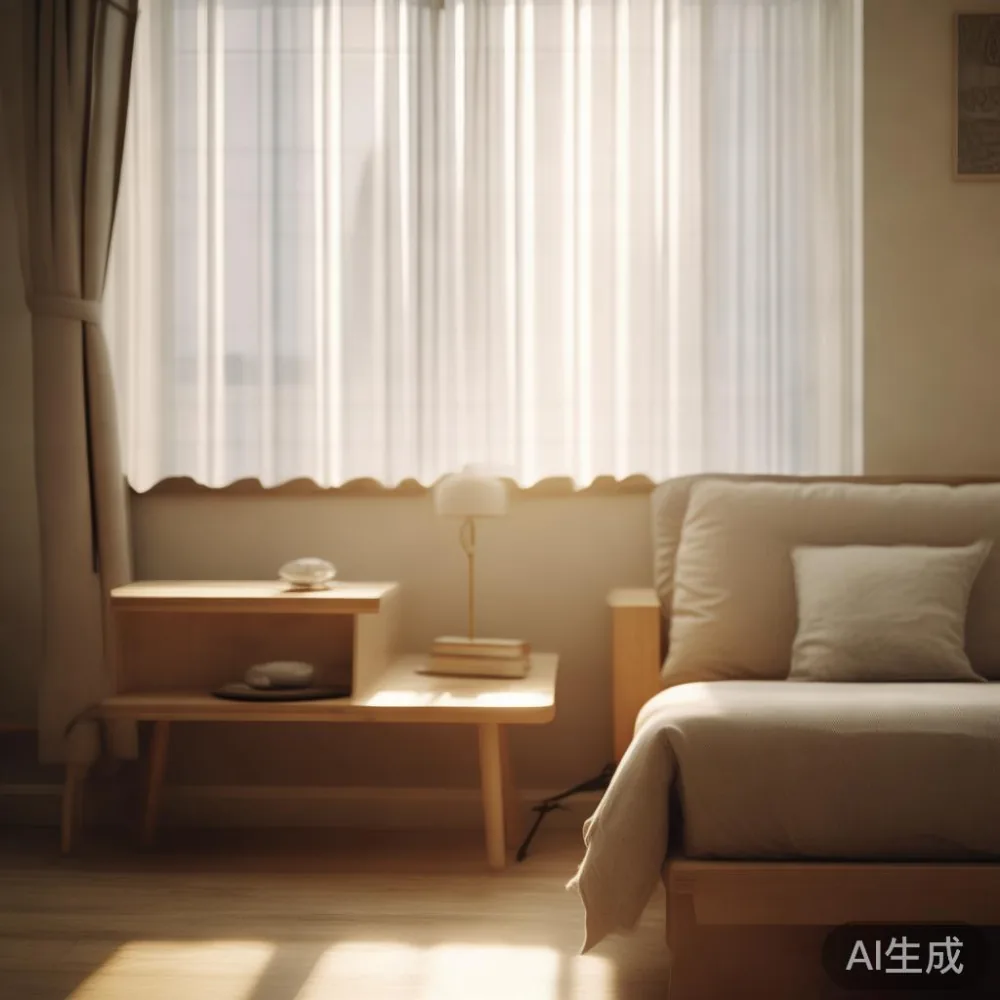
How can I make a small Singapore bedroom feel less crowded?
Start by measuring the gaps that already exist rather than shopping for the largest possible pieces. A typical HDB bedroom may offer only 50–60 cm between the bed frame and a wall, while a compact condo bedroom can have even less. If there is 45–55 cm of usable space, a bedside table with a footprint no wider than 45 cm is usually manageable. Keep the top at 50–58 cm for easier reach, and allow roughly 5 cm between the table and the mattress if drawers need to open fully.
Visual restraint helps more than squeezing in extra furniture. Choose one main material, one metal finish and one accent colour rather than mixing several competing patterns. Pale timber, cream walls and a muted textile create a light base. A single darker bedside table can still work if its proportions remain narrow and it is repeated elsewhere in the room through matching timber or metal details.
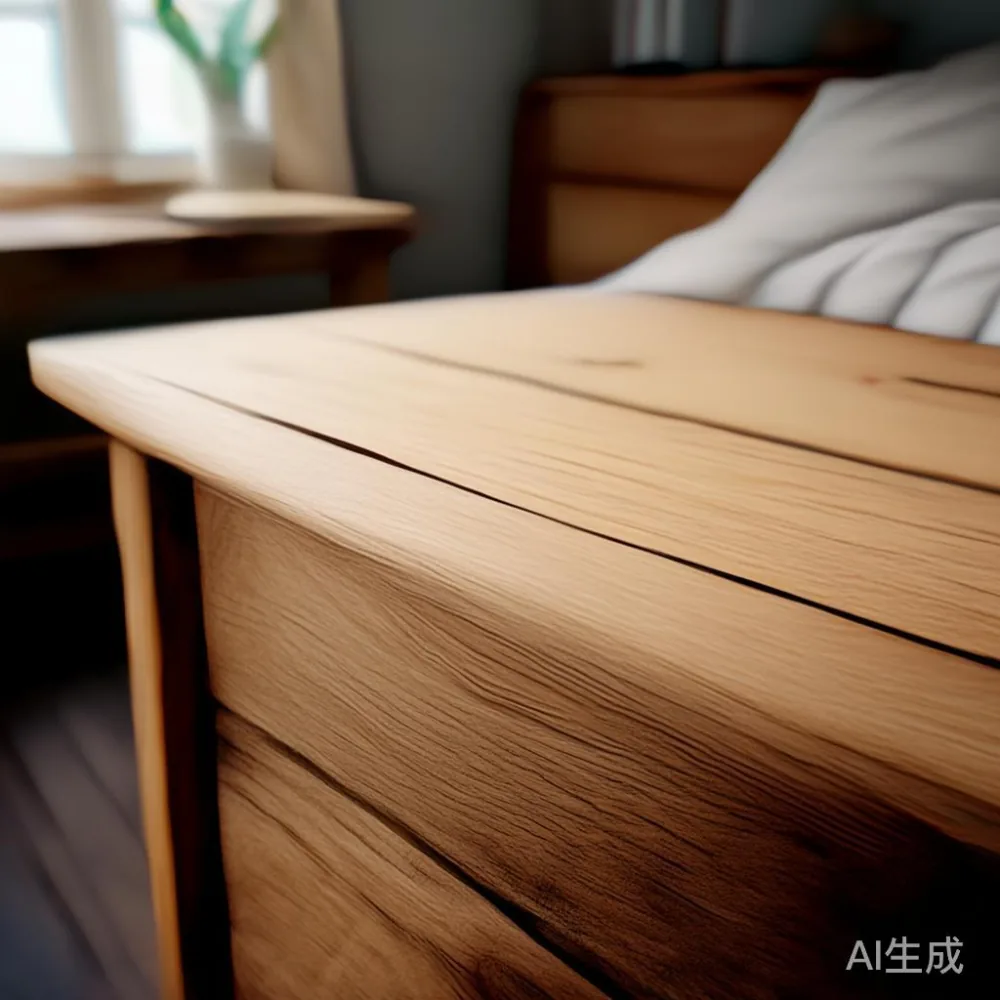
Think vertically where horizontal space is limited. A wall-mounted shelf 15–20 cm deep can hold a book, a charging cable and a small lamp without adding another floor-standing object. Keep only 3–5 frequently used items on display and move the rest into a drawer. In many HDB layouts, the space above a low headboard is valuable, but the shelf must not interfere with a ceiling fan or the movement of the bed.
Light also changes the perceived size of a room. Replace a heavy central ceiling light with 2–3 warm lamps at different heights, such as one table lamp at 35–45 cm and a wall light at 120 cm. Aim for warm white light around 2700–3000K. This layered approach makes corners more visible and reduces the flatness that often makes compact rooms look smaller.
What size bedside table should fit beside a bed?
The most useful rule is to match the bedside table to the bed’s height, not simply buy a square box. A mattress top is commonly 50–60 cm above the floor, so a bedside table between 45 and 58 cm tall will allow easy access to a book, phone or glass of water. The width depends on the available gap: 35–40 cm suits a narrow single-bed frame, while 45–55 cm works beside a queen or king bed where circulation space permits.
Leave at least 60 cm for a walkway where a person must pass between the bed and a wardrobe or opposite wall. Do not assume a narrow table solves the issue if it blocks the drawer of a nearby wardrobe. Pull the bed frame out by 10–15 cm and walk the full route, including the area beside the bed and the position of any bedside-table drawers.
Depth matters too. A 30–35 cm table can hold a lamp, a 15 cm book and a phone, yet remain shallow enough for tight layouts. Tables with drawers need about 38–42 cm of depth so that a standard A4-sized item or charging adaptor does not obstruct the drawer. Round corners can soften a narrow room, but they should not conceal the need for adequate knee and leg space.
For a polished look, coordinate the bedside table with the bed frame or wardrobe timber rather than creating an unrelated focal point. A matching solid wood bed frame and a compact nightstand give the room continuity. If the bed frame is upholstered, a simple wood table can provide contrast and make the area feel less visually heavy.
Can a small apartment handle solid wood furniture without looking heavy?
Yes, if scale, colour and spacing are handled carefully. Solid wood tends to feel substantial, but a slim profile and visible grain can prevent a small room from looking overloaded. Choose a bedside table with straight lines, a recessed plinth and no oversized moulding. A light oak or ash finish works well in HDB interiors, while walnut or deeper stained wood can add warmth when paired with cream walls.
French light luxury is a useful reference point here: elegant proportions, pale colours, restrained decoration and tactile natural materials. Post-modern light luxury can also work through simple geometry, but avoid too many decorative shapes in one corner. American light luxury often means generous upholstery and clean detailing; in a compact bedroom, translate that idea into softness through bedding and curtains rather than bulky furniture.
One practical example is a 45 cm-wide bedside table at 52 cm high, weighing approximately 12–16 kg depending on its construction and drawer hardware. It offers more storage than a 25 cm floating shelf while taking up less floor area than a 55 cm cabinet. The exact weight should be checked before delivery because it determines whether two installers are required and whether a tall unit can be moved safely through the lift.
For a wider bedroom, consider a 50–55 cm nightstand with 2 drawers. For a very narrow space, choose a 30–35 cm table with 1 shallow drawer and an open lower shelf. Avoid leaving both drawers fully open beside a tight walkway, as their extension can reduce usable space by 35–40 cm.
How do I measure the route from the lift to my Singapore flat?
Measure the lift door, lift car, corridor turns and the bedroom doorway before ordering. Lift doors in many older HDB blocks are around 80–90 cm wide, while condo service lifts may range from 90 cm to 110 cm. The narrowest point controls the delivery plan, not the width of the furniture showroom display.
Record three numbers: the lift-door width, the corridor width and the door width at the unit entrance. Add a safety margin of 5–10 cm when the item must turn through a corner. For example, a 45 cm bedside table may enter an 85 cm lift easily, but the same table can be difficult to rotate in a 100 cm corridor with a 90-degree turn.
Corridors must remain clear of packages, shoes and renovation materials. Delivery to the doorstep is useful, but it does not replace access planning. If the unit is on the 12th floor, check the building’s booking rules and the maximum delivery window. Large furniture deliveries may need to be scheduled with building management 3–7 days ahead.
Ask the seller for the unpacked dimensions and weight, rather than relying only on the product page. A bedside table listed as 45 × 40 × 55 cm may have projections, handles or packaging that increase those figures. MIDHILL can be contacted for the relevant measurements before dispatch, allowing the delivery team to plan around lift and corridor constraints.
Which storage should go into a compact bedside table?
Choose storage based on what you use beside the bed each night. A top drawer is ideal for a phone, reading glasses, earbuds and a charging cable. Keep small loose objects in a tray so they do not disappear behind the lamp. The lower section can hold 2–3 books, a folded pair of glasses or a small electronic device, but avoid a deep cavity that becomes a place for unused clutter.
Drawers should run on smooth metal slides, preferably with soft-close mechanisms. Check that the drawer front does not project more than 2–3 cm beyond the cabinet body, because this affects the stated width. For example, a 40 cm table with an overhanging handle may require 43 cm of clear space.
Do not store heavy glass, full water bottles or unopened paint tins in an refined bedside table. Those items belong lower down and away from the sleeping area. If a wardrobe nearby already provides substantial storage, a bedside table with 1 drawer and an open shelf is usually enough.
The same compact planning applies elsewhere. A 140–160 cm solid wood dining table can suit a dining zone if each diner has at least 60 cm of width and 90–110 cm of table length. A compact solid wood sofa with a depth of 85–95 cm preserves a clearer walkway than a 100 cm-deep model. A marble table may suit an entry console because it looks refined in a small area, but its weight of roughly 40–70 kg requires careful access planning. A slim wardrobe with a depth of 55–60 cm can be more practical than a deeper unit when the door hinge and sliding panels need room.
When customers search for sale Japanese furniture or ask how to style Japanese wardrobe in bedroom, the useful principle is proportion rather than imitation. Low-profile storage, warm timber and uncluttered surfaces can complement a compact Singapore room without making it feel like a showroom.
How can I create a French light luxury bedroom in 50 square metres?
Begin with a calm background and add only a few tactile accents. Cream or soft taupe walls, pale timber and warm white lighting establish a light foundation. A French-style bed frame with a restrained headboard can give the room character without filling it with carved details. Add linen bedding, 2 framed prints no larger than 30 × 40 cm each and one ceramic lamp to create warmth.
Curtains should appear full but not consume excessive width. Mount them 8–12 cm outside the window recess and extend them almost to the floor; a 140–160 cm panel may suit a 90 cm window. This creates a taller-looking opening while keeping the floor clear. A rug under the lower two-thirds of the bed can define the sleeping area, but choose 160 × 230 cm or larger for a queen bed so that it does not look undersized.
The colour balance should include one darker anchor, such as a walnut bedside table, charcoal bedding or a dark metal lamp. This stops the room from becoming visually flat. Keep metallic finishes consistent, for example brushed brass on 2 accessories, rather than mixing brass, chrome and rose gold within the same 1.5 m area.
Furniture-buying questions often extend beyond the bedroom. If you are comparing European light luxury sofa vs Italian light luxury sofa, consider the dimensions of the Singapore room before the decorative details. A 3-seat sofa at 200–220 cm long and 85–95 cm deep may fit a compact living room better than a larger statement piece. Likewise, a guide to how to choose French sofa should include seat height, access routes and the distance between the sofa and coffee table, not only fabric and appearance.
Another common question is whether an is Italian light luxury sofa worth it. For a small apartment, the answer depends on dimensions, maintenance and daily use rather than nationality alone. The same disciplined approach applies to a Modern light luxury accent chair: a slim chair at 60–70 cm wide can provide a reading corner without narrowing the main passage.
What should I check before ordering furniture online?
Check the material, exact dimensions, finish, warranty, delivery terms and return conditions before paying. For solid wood furniture, the product should state whether it is solid timber, solid wood veneer or a mixed construction. Joinery matters too: dovetail drawer corners, recessed joinery and properly fitted drawer runners are useful signs of attention to detail.
For a bedside table, ask for the external dimensions, drawer clearance, internal shelf dimensions and weight. Confirm whether the finish is natural, stained or painted, and request close-up images in daylight if possible. If you are undecided between 2 widths, place masking tape on the floor to mark the 35 cm, 45 cm and 55 cm options before ordering.
Budget beyond the item price. A local Singapore order may attract GST of 9%, although the displayed checkout total should clarify the treatment. Access fees, stair carrying and extra delivery services may apply in certain buildings. Allow 7–21 delivery days for a made-to-order piece, with the exact lead time confirmed before production. For stock-ready items, delivery may be quicker, but the seller should provide a clear estimated date.
Returns are easier to judge when the condition is explained. MIDHILL provides a 14-day return window, and its lifetime refinishing service can help maintain the appearance of the timber over the years. A 10-year structural warranty gives long-term confidence for a piece expected to remain in the bedroom.
What did I notice during a recent visit to a compact Singapore home?
Last month, I visited a friend’s two-bedroom HDB flat in Punggol and watched how much the bedside-table choice changed the main bedroom. The original table was 60 cm wide, had 3 drawers and sat beside a queen bed frame. It looked substantial from the doorway and reduced the visible walkway beside the bed.
We replaced it with a 45 cm-wide solid wood nightstand at 52 cm high and moved the books into 1 drawer. The lamp remained on top, while a narrow wall shelf held 2 framed photographs. The room did not become physically larger, but the path beside the bed felt clearer because there were fewer objects competing for attention.
The delivery also confirmed the importance of access information. The lift door was 82 cm wide, and the corridor narrowed to 96 cm near a turn. The table entered diagonally with its 45 cm width facing forward, and the packed piece measured 51 × 46 × 58 cm. Two installers handled it, reaching the bedroom in about 12 minutes once the building access period began.
The friend kept the larger table in the living room as a slim console. That simple relocation made the apartment work harder: one piece served 2 spaces without making either room feel overloaded. This is the practical meaning of styling a small home well. The furniture should support daily routines, fit the route into the building and leave enough room for a person to move without rearranging the bedroom first.
How can I create a visually calm final look?
Use the bedside table as part of a small composition rather than an isolated object. Place the lamp toward the rear of the top, put a book on a coaster and leave the front 15 cm clear for a phone or cup. Repeat one colour from the bedding in a tray or artwork, and remove anything that has no daily purpose.
Aim for 2–3 material contrasts: timber, linen and metal are enough for most compact rooms. Keep the floor around the bed clear, align the bedside table with the bed frame where possible and let the wall do some of the visual work. In a 50–70 square metre flat, that restraint can create a more spacious impression than adding another decorative item.
For anyone comparing a solid wood sofa, bed frame, dining table, wardrobe, nightstand or marble table, measure the room and the delivery route before confirming the order. The right piece should fit not only where it will stand, but also through the lift, along the corridor and into the room. Good small-space styling is a measured process: fewer pieces, clearer surfaces and furniture that earns its footprint.