Bedside Table Ideas for Warm Minimal Singapore Homes
A warm minimal bedroom is not a room without personality. It is a room edited carefully: pale timber, soft textiles, a restrained palette, and just enough curved detail to keep the space from feeling clinical. The bedside table usually occupies less than 1 square metre, yet it shapes how the whole room feels each morning and night. Its height affects the reach of your hand, its depth determines whether the lift becomes a problem, and its finish either echoes the bed frame or introduces a controlled point of contrast.
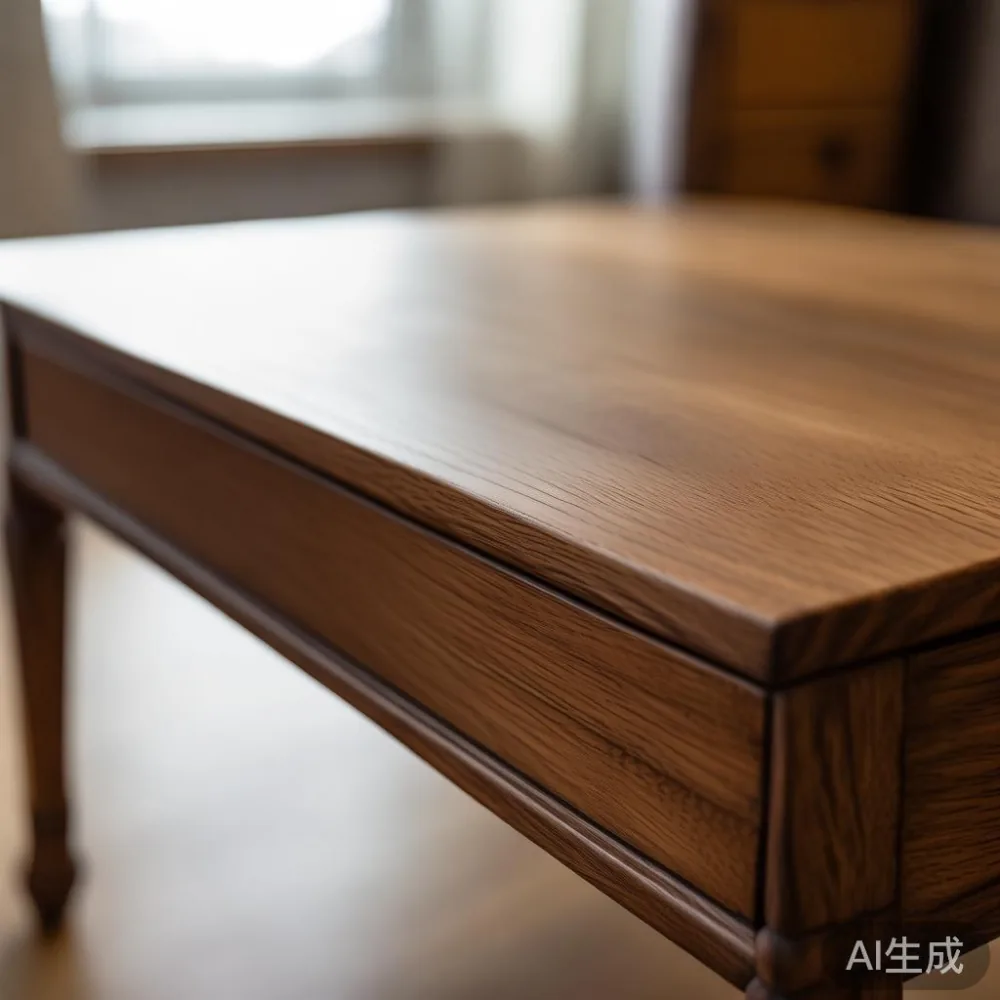
For Singapore homes, practical dimensions matter as much as style. HDB bedrooms in Tampines, Bedok, and Punggol often have compact bed bays, while condos may have narrow corridors, recessed power outlets, or a built-in ledge that restricts where furniture can stand. A bedside table with a depth of 35–40 cm, a height of 45–58 cm, and a width of 40–50 cm is usually easier to manoeuvre than a larger unit. Those measurements also suit most standard bed frames and leave enough clearance for a person to sit beside the bed.
MIDHILL designs solid wood furniture around practical proportions and long-term use. The company was established in 2008, exports to more than 15 countries, provides a 10-year structural warranty, and offers lifetime refinishing. For this guide, I focused on bedside tables rather than matching an entire catalogue to one aesthetic.
What makes a warm minimal bedroom feel balanced?
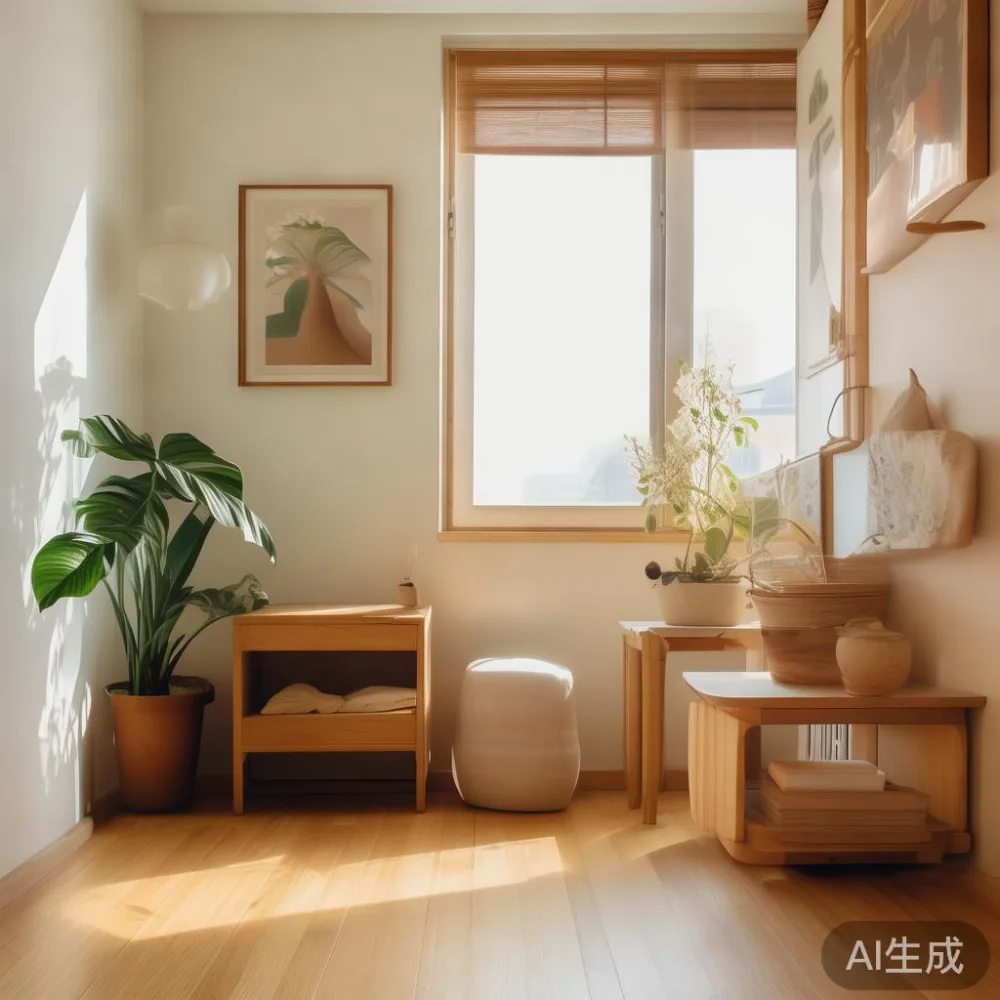
Warm minimalism depends on contrast between plain shapes and tactile materials. A simple nightstand in natural oak can sit beside a bed frame in the same timber family, while a darker walnut bedside table adds definition against warm-white walls. Avoid placing every object in the same tone: a cream ceramic lamp, a charcoal book, and a muted green tray will create visual rhythm without adding visual clutter.
Begin with the bed as the largest object in the room. The bedside table should repeat one quality from it—wood colour, metal hardware, rounded edges, or a drawer profile—rather than competing with all of it. A frameless bed with straight rails usually pairs well with a compact table featuring thin legs. A solid wood bed frame with visible grain benefits from a slightly more substantial bedside table, especially one with a framed drawer.
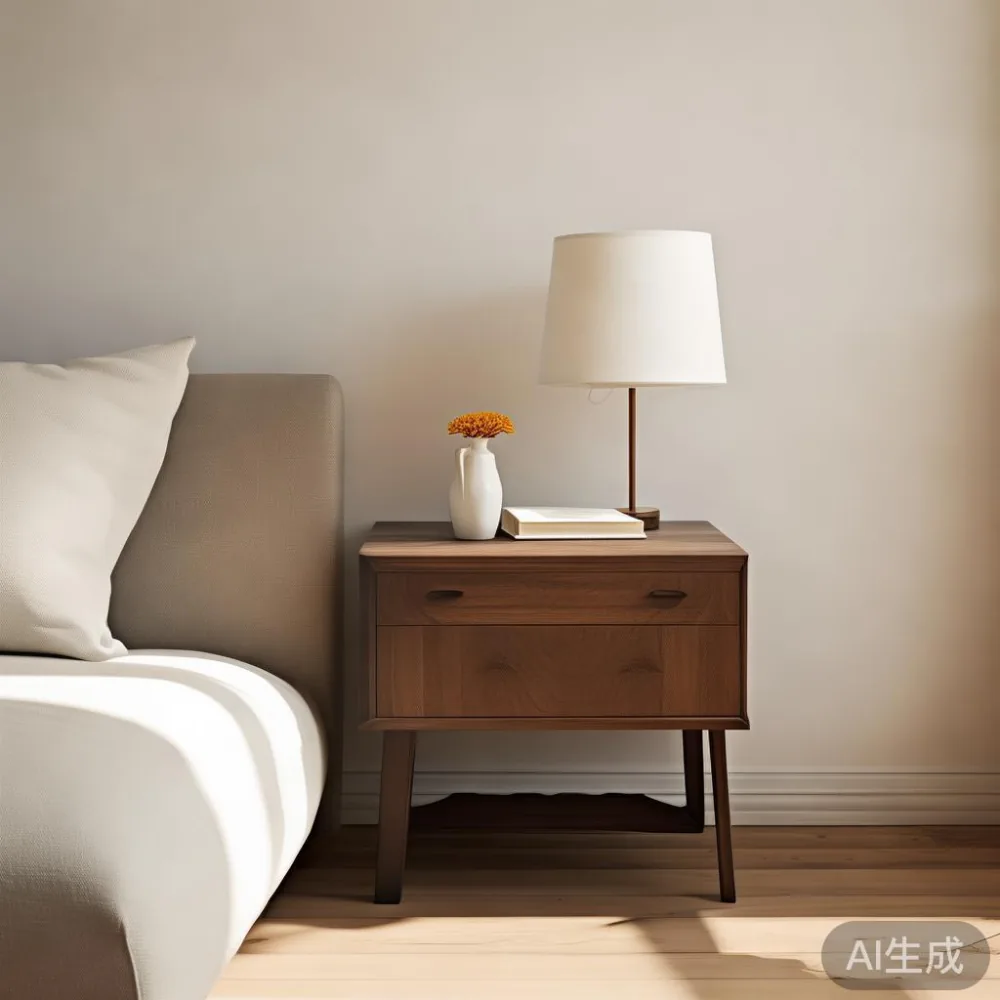
Scale is equally important. A table that is visibly narrower than the bed can look deliberate, while one extending well beyond the mattress can crowd the aisle. For a standard Queen bed measuring 152 cm wide by 191 cm long, two bedside tables of 40–45 cm wide create a balanced arrangement. In a 91 cm-wide single bed bay, a 35 cm table is more appropriate.
Textiles do the softer work. Linen bedding, a wool throw, and a cotton lamp shade make pale wood feel warm rather than stark. Keep the visible footprint on the tabletop to 3–5 items: a lamp, a book, a phone charger, a small tray, and perhaps a 10–15 cm vase. The aim is not an empty surface, but an edited one.
How do I choose a bedside table for a small Singapore bedroom?
Measure the space before choosing a finish. Use a tape measure to record the width of the bed bay, the distance from the wall to the opposite side of the room, and the location of sockets and switches. Leave at least 60 cm for a usable walkway where possible. If the table must sit beside a bed that slides into a recess, allow 3–5 cm of clearance on each side and check that drawers can open through an arc of at least 45 degrees.
Depth should follow the mattress and the wall. A 35 cm-deep model works with most standard frames, but a bed frame with an overhanging headboard may need a table no deeper than 30 cm. A depth of 40–45 cm gives more room for a drawer and a charging cable, but it can pinch a narrow HDB corridor. In a condo where the bedroom door opens inward, the table must not obstruct the door leaf.
Weight matters during delivery and repositioning. A small bedside table assembled from solid timber may weigh 12–20 kg, while a narrow metal-and-wood version might weigh 8–14 kg. MIDHILL solid wood construction generally adds more mass than hollow MDF or lightweight veneer, which reduces movement once the table is beside the bed. It also means the unit should be carried by two people above approximately 15 kg.
For larger homes, compare the table with the bed frame and existing wardrobe. A pale oak nightstand beside a darker solid wood wardrobe can connect the room without copying it exactly. A marble table would introduce a stronger contrast, but its surface should remain mostly clear because veining already supplies visual detail. The same principle applies to a dining table: repetition across the home is more convincing than isolated trends.
The delivery plan should be settled before the furniture leaves the showroom. Singapore GST is typically 9% on the selling price, and a 45 cm solid oak bedside table may retail around SGD 320–480 before GST, depending on the design and finish. For local orders, confirm whether delivery is included. For international purchases above US$350, MIDHILL offers free shipping, but that threshold does not remove the need to assess the final packed size and destination access.
Which wood finish suits warm minimal interiors?
Natural oak is the most flexible starting point because it reflects light and pairs with white, beige, clay, sage, and charcoal. A light honey finish suits warmer HDB rooms with cream walls, while a smoked oak works well in condos with polished concrete or cool grey stone. Walnut and dark stained oak create contrast, but they should occupy less visual weight than the bed frame.
Do not mix too many brown shades under warm lighting. Compare the timber beside the floor, headboard, and door at both morning and evening times. Singapore’s daylight can be strong, while a bedside lamp creates a much warmer pool of light after 7 pm. A finish that looks balanced at noon may appear overly yellow at night.
French light luxury brings gentle curves, softened corners, and a slightly refined finish. It works in a warm minimal room when the silhouette is restrained. Rather than adding carved ornament to the bedside table, select one rounded drawer front, a shallow bevel, or an arched opening. Post-modern light luxury offers another route: mix a traditional cabinet shape with clean hardware, or pair an oval bedside table with a rectilinear bed frame.
American light luxury usually means generous comfort, deep tones, and tactile upholstery. Although the focal product here is a bedside table, the surrounding style can borrow that softer character through a padded headboard, a substantial lamp, and a warm throw. A light luxury accent chair in the same corner can make a larger bedroom feel composed, provided it leaves at least 55–60 cm beside the bed.
For inspiration beyond product names, a search for french sofa gallery photos can reveal how curved light-luxury forms are repeated across seating and tables. The same restraint works beside a bed: one curved element in the nightstand can echo a softly shaped headboard without creating a mismatched set.
Should the bedside table match the bed frame exactly?
Exact matching is not required. It is often more effective to coordinate the wood species while varying the form. A rectangular oak bedside table can support a solid wood bed frame with rounded rails. This creates continuity without making the bedroom feel like a showroom set.
Check three details: undertone, grain scale, and hardware. Honey oak and pale walnut can share a warm undertone but will not look identical under the same lamp. Slender black pulls on the nightstand and bed frame create a crisp line, while brass or bronze hardware adds warmth. If the bed has no visible handles, the table can carry a small metal accent.
Some coordinated pieces may be styled as a family, but the room still needs a neutral anchor. Linen, painted walls, and matte ceramics provide it. When searching for under 2000 Japandi furniture, use the phrase to explore low-profile solid wood pieces with simple joints and muted finishes; the resulting bed frame or nightstand should still be measured against the actual room rather than adopted because of a label.
There is no need to force every category into one look. A solid wood sofa may face a dining table, while a wardrobe remains visually quiet. The bedside table acts as a transition between the bed frame and smaller accessories, so it should feel related to both without dominating either.
I tested this approach last month in a compact Bedok HDB bedroom measuring about 3.2 m by 3.0 m. The existing bed frame had straight black rails, and the walls were warm white. A medium oak bedside table with a single drawer and rounded upper edge looked less formal than the bed and did not make the narrow bay feel crowded. My colleague, who had initially considered a dark walnut option, agreed after comparing the 40 cm and 45 cm widths that the lighter finish better supported the room.
How do I keep a bedside table functional without making it look busy?
Give each item a fixed place. Place the lamp toward the rear corner so the drawer remains accessible. Put the phone on a 12–15 cm tray rather than directly on the wood, which protects the finish from scratches and heat. Route the charger cable through a rear clip or opening; a visible 1.5 m cable across the tabletop will quickly undo a clean arrangement.
A drawer is useful when the floor space is tight. Choose a model with an internal area of roughly 30 cm wide by 25 cm deep, enough for a 15 cm phone, earbud case, medication box, and a 10 cm power bank. If you need to store a book, check that the drawer opening is at least 22 cm high.
For storage without a drawer, select a nightstand with one open shelf 18–25 cm above the floor. Keep the shelf partly filled so it does not look empty; two books laid flat and a small basket occupy about 30% of the space. A closed cabinet is better in a child’s room because it reduces dust and hides cords.
Light placement deserves attention. A bedside lamp with a shade diameter of 20–25 cm produces useful light without taking over the table. Warm-white bulbs around 2700–3000K are easier on the eyes in the evening. Position the shade near eye level when seated, and keep the bulb visible through a linen or frosted material to reduce glare.
Two tables should not be treated as identical if the room is not symmetrical. The side used for dressing may need a wider surface for a mirror or tray. A table of 45–50 cm can support these tasks, while the opposite side can use a narrower 35–40 cm unit. The visual difference will feel intentional if the finishes and drawer details match.
How do French and Japandi details work in a warm minimal bedroom?
French styling brings softer proportions, woven textures, and a measured decorative quality. If you are also considering how to style French wardrobe in apartment interiors, the same principle applies: use one carved or moulded feature, keep the surrounding walls plain, and allow natural timber to remain visible. A nightstand with a shaped apron can coordinate with a French-inspired bed frame without creating an overly themed room.
The phrase MIDHILL French provincial bed describes a traditional direction with curved edges and warm timber. Beside it, choose a bedside table that is slightly simpler in outline but related in colour. This lets the bed remain the focal point and prevents the table from reading as another large decorative object.
Japandi takes a quieter route, balancing Japanese restraint with Scandinavian warmth. Low profiles, pale wood, straight lines, and tactile fabrics all fit a warm minimal interior. When evaluating the best Japandi sofa for 2026, judge the proportions in relation to the room rather than the trend name. A low sofa in a small bedroom can make the space appear layered, while a tall one can reduce floor visibility.
For a bedside table, Japandi influence may appear in a 42 cm-wide solid oak body with exposed joinery and no visible hardware. Keep the accessories functional and few. One ceramic cup, a paperback, and a linen-covered lamp are enough. The point is not to imitate a catalogue arrangement, but to make everyday objects feel deliberate.
Do not combine French curves, Japanese minimalism, American comfort, and post-modern geometry in equal doses. Choose one dominant language and 2 supporting cues. A curved solid wood bed frame can define the French influence, while pale oak and a linen lamp support Japandi warmth. That combination will feel calmer than adding carved furniture, industrial metal, and bold patterns at the same time.
What should I check before ordering a solid wood bedside table?
Check the construction, dimensions, finish, and route into the bedroom in that order. Solid wood may expand or contract slightly as humidity changes, so the maker’s care guidance matters in Singapore’s humid environment. Wipe the surface with a damp cloth, dry it immediately, and keep standing water away from the timber. Avoid placing a bedside table directly beside an air-conditioning vent if strong airflow repeatedly dries the finish.
For the ordered size, record the width, depth, and height rather than relying on the product name. A nominal 45 cm bedside table may measure 44 cm at the widest point, while the height may include the feet. Confirm the internal drawer dimensions, handle projection, and maximum shelf load. A 15 kg load is suitable for books and daily items, but heavy files or equipment should sit elsewhere.
At delivery, inspect the corners, joints, drawer movement, and finish under normal room light. Photograph the pieces before assembly or within the first 7 days. Keep the packaging for at least 14 days, consistent with MIDHILL’s 14-day returns policy, and retain the warranty documentation for the full 10-year structural coverage.
Local delivery timing should be agreed in writing. Production or stock preparation may take 7–14 days, while a Singapore delivery appointment may add another 2–5 days. For a condo, provide the floor, unit, parking zone, and lift dimensions. If the lift is below 90 cm wide, check whether the package can be turned upright; a bedside table boxed at 55 × 48 × 20 cm may need a service lift or unassembled delivery.
Price also needs context. A solid oak bedside table around SGD 320–480 before GST may suit a mid-range renovation, while a hand-finished design or stronger timber can move above SGD 500. Compare the timber thickness, drawer construction, warranty, and after-sales support rather than looking only at the lowest figure.
Can one bedside table work with different bedroom styles?
A restrained solid wood model can, especially if its finish is neutral and its shape is simple. A medium oak table with two drawers can sit beside a Scandinavian bed, a French provincial bed, or a rectilinear post-modern frame. The surrounding textiles will shift the mood more than the table itself.
For a warmer room, add linen, rattan, clay, or brass. For a crisper room, introduce white bedding, black details, and cool grey textiles. Keep large pattern changes in textiles rather than redesigning the bedside table each season. This approach also allows the piece to remain useful as the home evolves.
The practical answer is to match three things: height to the mattress, depth to the wall and door swing, and visual weight to the bed frame. Once those are aligned, the bedside table becomes a calm, useful anchor in a warm minimal bedroom—one that works from the first morning coffee to the last phone charge before sleep.