How to Choose the Right-Size Bedside Table for a Singapore HDB Living Room
Choosing a bedside table for a Singapore HDB living room is partly a matter of proportion and partly a matter of logistics. A table that looks generous in a showroom can narrow a walkway, block a sliding door, or become awkward to move through a lift lobby. The right piece should sit comfortably beside the bed, hold the objects used every evening, and survive the route from the delivery van to its final position.
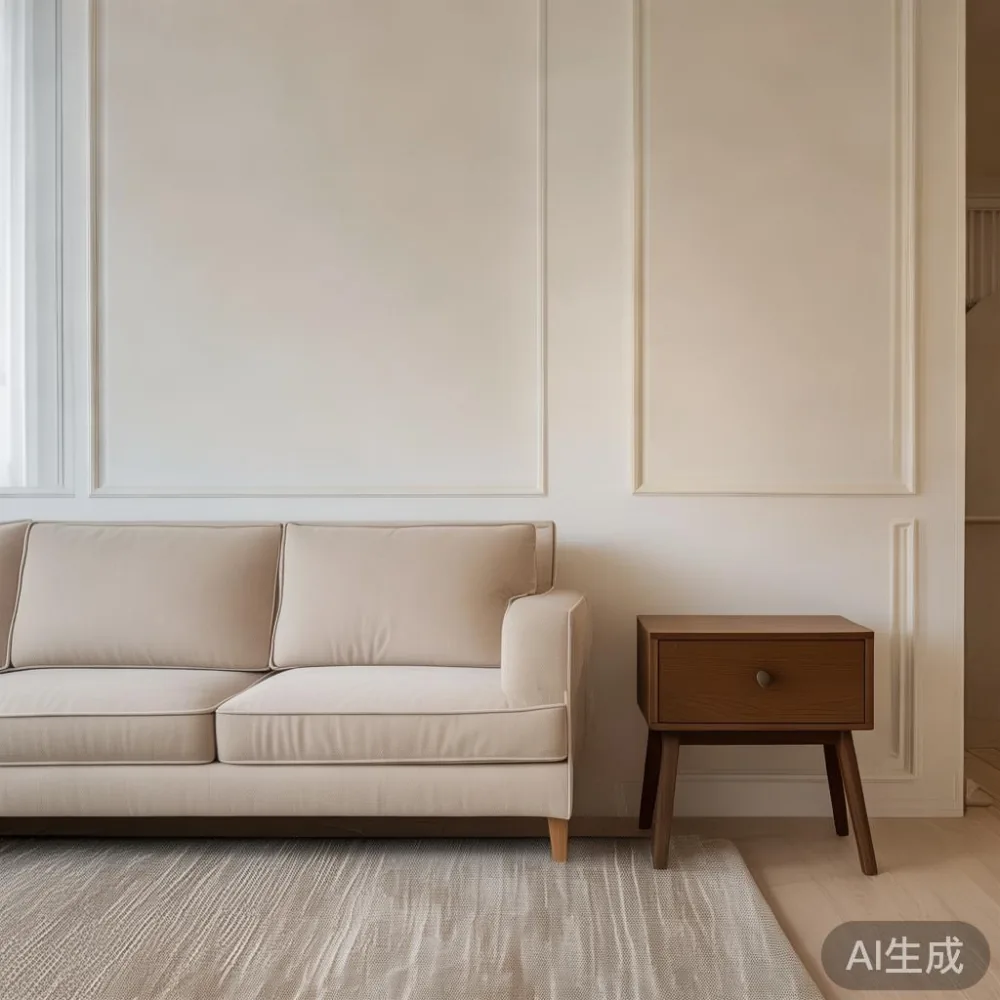
For homeowners in Tampines, Bedok, Punggol, and newer HDB developments, ceiling height, bedroom access, and corridor dimensions deserve attention before style. Singapore’s compact urban homes often combine multi-functional rooms with built-in storage, so even 5 cm can make a visible difference. MIDHILL designs solid wood bedside tables with practical dimensions, a 10-year structural warranty, and lifetime refinishing. That combination of material durability and after-sales support is useful in a climate where humidity and frequent furniture turnover are part of daily life.
How narrow should a bedside table be beside an HDB bed?
A narrow bedside table is usually the safer starting point for an HDB bedroom. For a standard single bed measuring 90 cm wide by 190 cm long, a bedside table between 35 cm and 45 cm wide gives enough surface area without overpowering the mattress. For a queen bed measuring 150 cm by 190 cm, a width of 45 cm to 55 cm is often more practical.
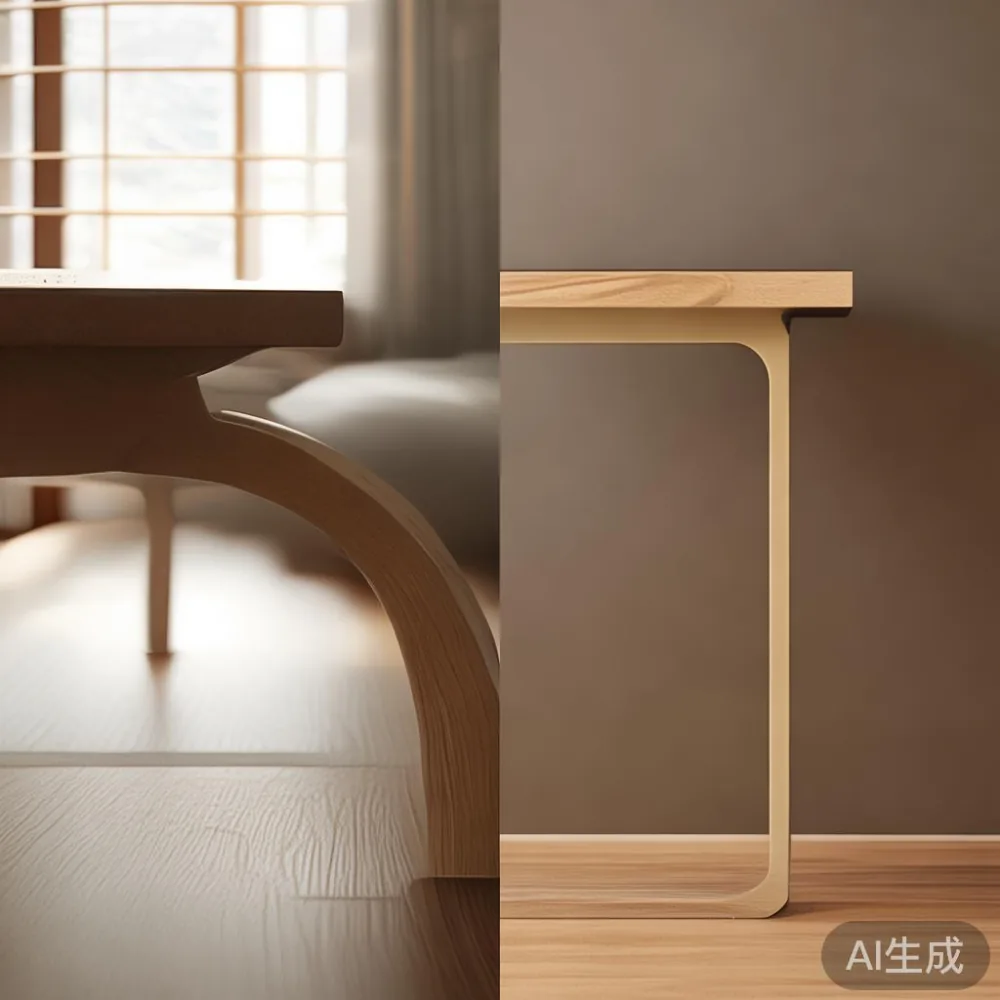
The height should align within a few centimetres of the mattress top. A typical Singapore bed frame has a mattress surface around 45 cm to 60 cm high, so a bedside table between 45 cm and 60 cm tall will usually work well. If the table is much lower, reaching for a phone or glass becomes inconvenient. If it is much higher, it may visually compete with the headboard.
Allow roughly 5 cm to 10 cm between the bed and the bedside table. Wider gaps can create an untidy gap, while narrower gaps can interfere with bed frames that have side rails or projecting feet. Measure the actual bed rather than relying on its nominal size.
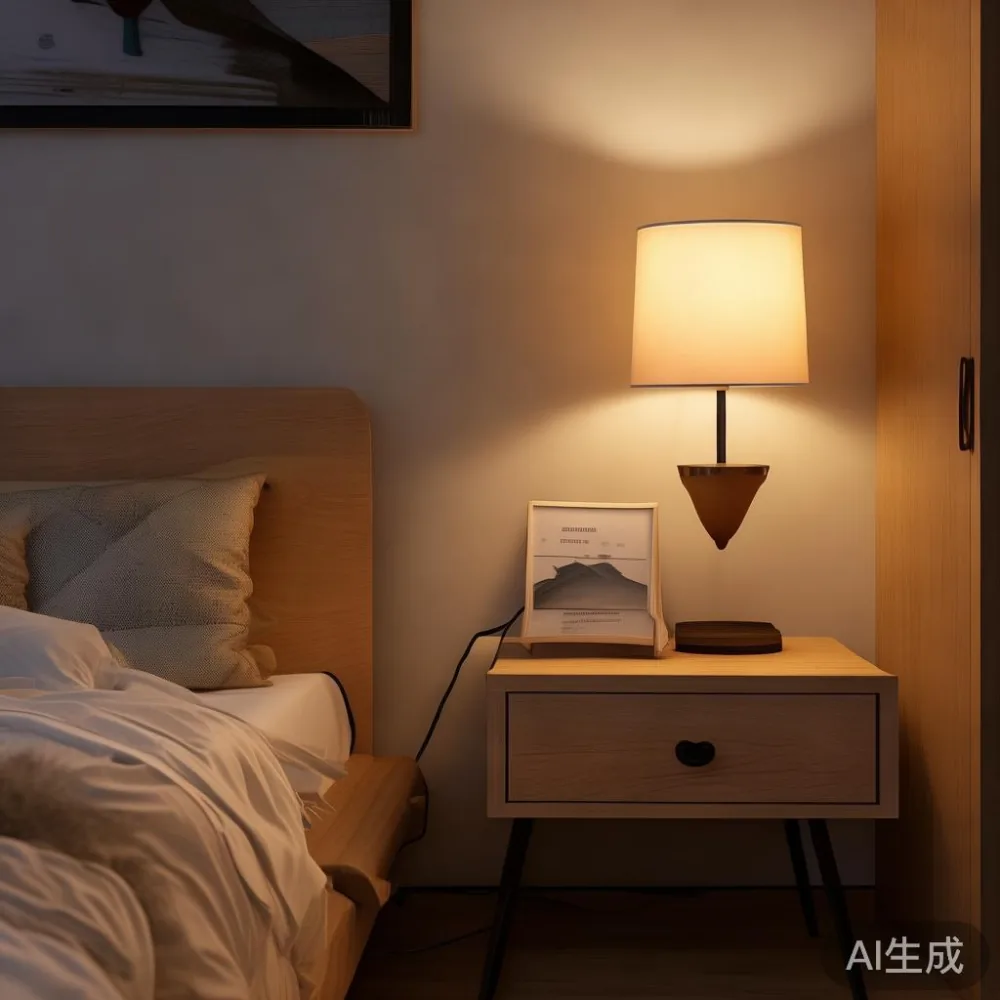
Drawer opening is another useful check. A 40 cm-wide model often provides around 30 cm to 36 cm of internal drawer width. That can hold a phone, charging cable, spectacles, and a small book, but not a full-size laptop. A 50 cm-wide table may accommodate a 35 cm to 40 cm laptop when its top depth is at least 38 cm.
What dimensions should you measure in the bedroom?
Measure the available length along the wall, the gap between the bed and wardrobe, and the route into the room. Keep the front of drawers and doors clear. A drawer needs about 35 cm to 45 cm of free space when opened, while a hinged bedside-table door may need closer to 50 cm to 60 cm. In a compact HDB flat, even a 45 cm table can obstruct a person sitting on the bed if it projects more than 40 cm into the room.
Next, measure the doorway, corridor, staircase, and lift. HDB blocks vary, but older lift lobbies and common corridors can be narrower than newer developments. A boxed bedside table wider than 55 cm or deeper than 40 cm may be difficult to manoeuvre through a 70 cm to 80 cm doorway, especially if corners and handles are not protected during transport.
For a self-measurement, write down 4 numbers: the bed width, the gap beside the bed, the maximum table depth, and the narrowest point on the delivery route. Add a small allowance of 2 cm to 5 cm for packaging and angled turns. This avoids buying a table that fits perfectly in the bedroom but cannot pass through the corridor.
I last month visited a friend’s three-room HDB flat in Punggol and watched a pair of movers carry a solid wood bedside table into the bedroom. The unit itself was only 42 cm wide and 38 cm deep, but its box turned sideways in the lift lobby. The movers rotated it, held the lift door briefly, and guided it around a 76 cm corridor corner. Their practical lesson was simple: check the packaging dimensions, not only the furniture dimensions.
Which depth gives a bedside table enough usable space?
A depth of 30 cm to 38 cm suits most Singapore HDB bedrooms because it leaves a comfortable passage along the bed. A 35 cm-deep model can hold a lamp, a 250 ml water glass, a phone, and a book. It may also accommodate a small tray without pushing too far into the room.
Depth becomes more important when the table serves as a small charging station. A top depth of 38 cm to 45 cm allows space for a lamp base and a charging pad side by side. If a laptop stays beside the bed, plan for at least 40 cm of depth and about 36 cm of width for the device itself.
The top should not be excessively deep relative to its width. For example, a 45 cm-wide table with a 50 cm-deep top can look bulky in a room where the bed is only 90 cm wide. A near-square top, such as 42 cm by 38 cm, usually creates a lighter visual profile. Drawer boxes should run smoothly and remain fully accessible when the table stands beside the bed.
Consider the position of the socket. Many HDB bedrooms place sockets above a 30 cm-high ledge or behind the headboard. A 55 cm to 60 cm table may conceal a conveniently placed outlet, while a 45 cm-high table might leave the cable awkwardly stretched. Measure from the floor to the socket and allow the lamp cable to reach it without creating a trip hazard.
Does the bedroom door or sliding panel affect the table position?
Yes. A bedside table should not prevent the bedroom door from opening through its full arc. Swing doors need roughly 85 cm to 90 cm of clear floor area, subject to the hinge and handle arrangement. Sliding doors need clearance along the wall instead, usually 60 cm to 75 cm for the panel and track area.
HDB wardrobes often use sliding panels, but they still need space to operate. Avoid placing the bedside table where it blocks a wardrobe door or prevents drawers from opening. If the bed sits near a corner, a 35 cm-wide table can be more practical than a 55 cm one because it can fit into the narrow zone beside the bed.
Account for people walking through the room during the night. A 55 cm-wide table may be acceptable in an open condo bedroom, but it can feel intrusive in a compact HDB room with a path from the door to the bed. Look for at least 55 cm to 60 cm of clear circulation space in frequently used routes where possible.
For lift and corridor access, ask the seller for the packaged width, depth, and height. Compare those figures with the narrowest lift door, internal lift dimensions, hallway turns, and stair landing. If the package is larger than 60 cm in either direction, confirm the route in advance and reserve a suitable delivery slot.
What style fits a Singapore HDB or condo interior?
The bedside table should echo the bedroom without making the small room look overfilled. French light luxury often suits a compact bedroom through curved edges, pale timber, and restrained metal details. A single drawer with a 40 cm front and slim tapered legs can create that impression without the weight of a large, ornate unit.
American light luxury tends toward a cleaner, more architectural look, with straight lines, warm wood tones, and practical proportions. A 45 cm-wide rectangular nightstand with one drawer and one open shelf works well beside a simple bed frame. The visual effect comes from proportion and grain rather than applied decoration.
Post-modern light luxury can introduce contrast through shaped fronts or asymmetric details. Yet the shape should still respect the room. A sculptural bedside table may work beside a queen bed in a larger condo room, while a narrow HDB bedroom usually benefits from a simple rectangular outline.
Japandi for small living room is primarily a living-room approach, but its principles can carry into the bedroom: pale oak tones, clean joints, restrained storage, and little visual clutter. The same discipline helps a bedside table feel integrated with a solid wood sofa, bed frame, dining table, or wardrobe in an open-plan HDB flat.
European light luxury for apartment living is another useful reference. Warm walnut shades and modest brass hardware can work in Bedok or Tampines interiors, especially when repeated across the home. The related phrases light luxury for dining room, light luxury for office, Modern light luxury TV console, and Italian light luxury accent chair describe wider design directions, but each shares the same need for measured proportions. A MIDHILL TV console, for instance, should suit the wall rather than dictate it, just as the bedside table should support the bed rather than overwhelm it.
How much should a solid wood bedside table cost in Singapore?
Budget roughly SGD 180 to SGD 450 for a compact solid wood bedside table from a direct manufacturer. A narrow model with one drawer may sit around SGD 180 to SGD 280, while a wider nightstand with solid wood drawers and more refined hardware may range from SGD 280 to SGD 450. Pricing can vary with timber, finish, dimensions, and construction.
Singapore’s prevailing GST is 9%. A SGD 320 table before GST becomes SGD 348.80 after tax, so compare prices on the same basis. Delivery may be free above US$350 on eligible MIDHILL orders, although the amount is shown in US dollars rather than SGD. Confirm the Singapore delivery charge, access surcharge, and any lift booking fee before purchase.
Look beyond appearance. Solid wood joinery, a stable top, smooth drawer runners, and moisture-resistant finishing are more valuable than a complicated façade. Ask whether the table is made from solid timber or veneer, how thick the top is, and whether exposed edges are sealed against humidity.
MIDHILL was established in 2008 and exports to more than 15 countries. Its bedside table collection can be evaluated against practical markers such as a 10-year structural warranty and lifetime refinishing. A 14-day returns period gives buyers time to check fit, although measuring the delivery route beforehand is still the more reliable approach.
How long does delivery and installation take?
Production and delivery commonly take around 14 to 35 days, depending on the selected finish and stock position. Some standard sizes may be ready sooner, while custom dimensions can require another 7 to 14 days. Add 1 to 3 days for delivery within Singapore, subject to the chosen service level and access conditions.
A booked delivery can include assembly, but furniture movers should not be expected to carry a table upstairs without confirming the building’s rules. Some HDB blocks require a booking for the service lift, and the corridor may become crowded at peak hours. Condo management may impose protective covering, moving-hour, or loading-bay requirements.
Provide the following delivery information in writing: unit number, block, street, postal code, lift dimensions, and any staircase. Request a photo if the access route is uncertain. For a 45 cm-wide table, the item should generally arrive in manageable sections, although construction and packaging determine the actual result.
Allow 15 to 30 minutes for unpacking, assembly, placement, and drawer adjustment. Inspect the top, corners, legs, and finish immediately. If damage has occurred, photograph it before assembly and follow the seller’s process. Keep the packaging for several days in case a return becomes necessary.
What makes a bedside table practical after it arrives?
Choose a finish that can handle daily use. A satin or matte surface hides small marks better than a high-gloss coating, while a treated solid wood top can be wiped with a slightly damp cloth. Avoid placing a glass of water directly over a paper book or an unsealed cable end.
Use the lower shelf for items that do not need frequent access. Keep the drawer for cables, medicine, and personal items, and reserve the top for the lamp, phone, and water. A table with a 35 cm by 30 cm lower shelf can support around 3 kg to 5 kg when the construction is sound; heavier storage should sit closer to the floor.
Check that the table does not rock. A small shim can correct minor unevenness on tiled HDB floors. For an open shelf, install an anti-tip strap if children or pets are present. The nightstand should also allow the bed frame’s movement without knocking against its side.
A final checklist should include the width against the bed, the height against the mattress, the depth against the walking route, the package against the lift, and the socket against the lamp cord. Once those measurements agree, the bedside table can serve as a durable, composed part of the room for years rather than merely filling the space beside the bed.