How to Care for a Lacquered Bedside Table in a Singapore HDB Flat
I still remember visiting a friend's resale flat in Tampines last month. She had just unpacked a glossy lacquered bedside table, the kind with a mirror-smooth top that catches the corridor light from the lift lobby. Within ten days, a faint cloudy ring appeared near where she kept her ceramic water bottle. Singapore's humidity, hovering between 70% and 92% RH for most of the calendar year, had already begun its quiet work on the finish. That single moment pushed me to write this guide, because a lacquered bedside table is one of the few pieces of furniture in a HDB bedroom that takes the full brunt of equatorial moisture, night sweats, air-con cycling, and the occasional kopi spill — all on a surface area of roughly 45 cm by 40 cm.
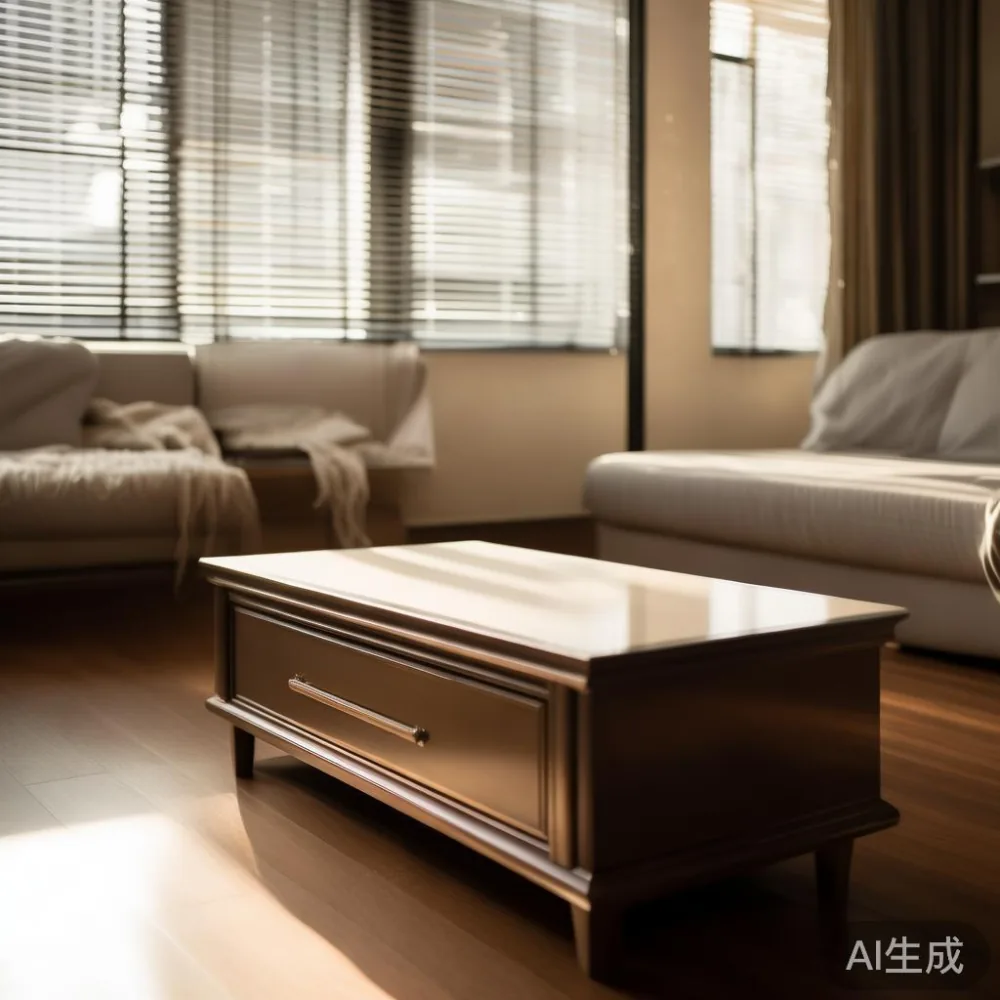
If you have invested in a solid wood bedroom set — perhaps pairing your nightstand with a matching bed frame, a low wardrobe, or a marble-top dresser — you already understand that lacquer is not paint. It is a cured film, usually nitrocellulose or a modern pre-catalyzed acrylic, that sits on top of the wood like a transparent skin. Treat it right and it glows for fifteen years. Treat it casually and you get white hazing, orange-peel texture, or micro-cracks along the grain within a single monsoon season. The good news: the rules below are simple, cheap, and built around how Singaporeans actually live — open windows at 9 pm, air-con timers at 26°C, and weekly dusting on Sunday morning before the wet market run.
Why Singapore's Climate Is Harder on Lacquer Than Shanghai or Seoul
Singapore sits roughly 1.3 degrees north of the equator. The average daily humidity at Changi reads 79.9% across the year, and indoor readings in a HDB flat without a dehumidifier routinely cross 80% after a thunderstorm. Lacquer — even the high-gloss post-catalyst finish that European and American light luxury manufacturers prefer — is hygroscopic. That means the film absorbs and releases water vapour with every monsoon shift. When the film swells faster than the wood underneath (typically rubberwood, ash, or poplar cores used in a solid wood sofa or bed frame production line), you get stress lines that show up as a pale watermark within 48 hours.
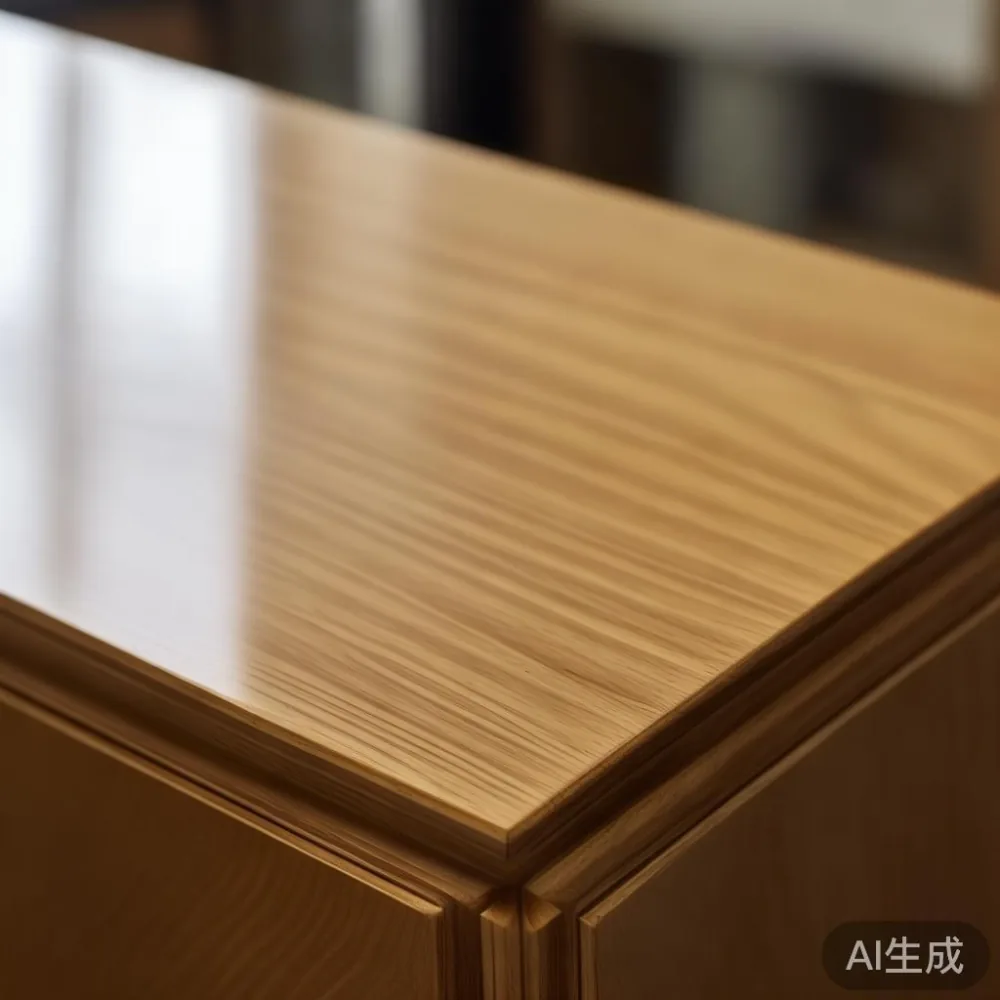
The corridor culture of HDB living makes things worse. Many newer BTOs at Punggol and Bedok have corridor widths of only 1.2 m to 1.5 m, so furniture delivery often arrives with light scuffing on corners. A bedside table knocked against a lift door at the 7th floor car park level is not a rare event — my colleague counted three such incidents last quarter. Add the daily thermal shock of stepping out of a 23°C air-con bedroom into a 31°C kitchen, and your lacquer finish is in effect running a marathon every single day.
What Is the Best Way to Clean a Lacquered Bedside Table Every Week?
For weekly care, skip the furniture polish sold at neighbourhood hardware stores. Many of those contain silicone, which builds up into a dull grey film after six to eight applications. Instead, use a microfibre cloth (around 280 gsm, sold from S$3.50 to S$6 at any NTUC) lightly misted with distilled water. Distilled matters — Singapore tap water carries dissolved minerals that leave white spots once the water evaporates, and you will see those spots as tiny halos on a black lacquer surface within an hour.
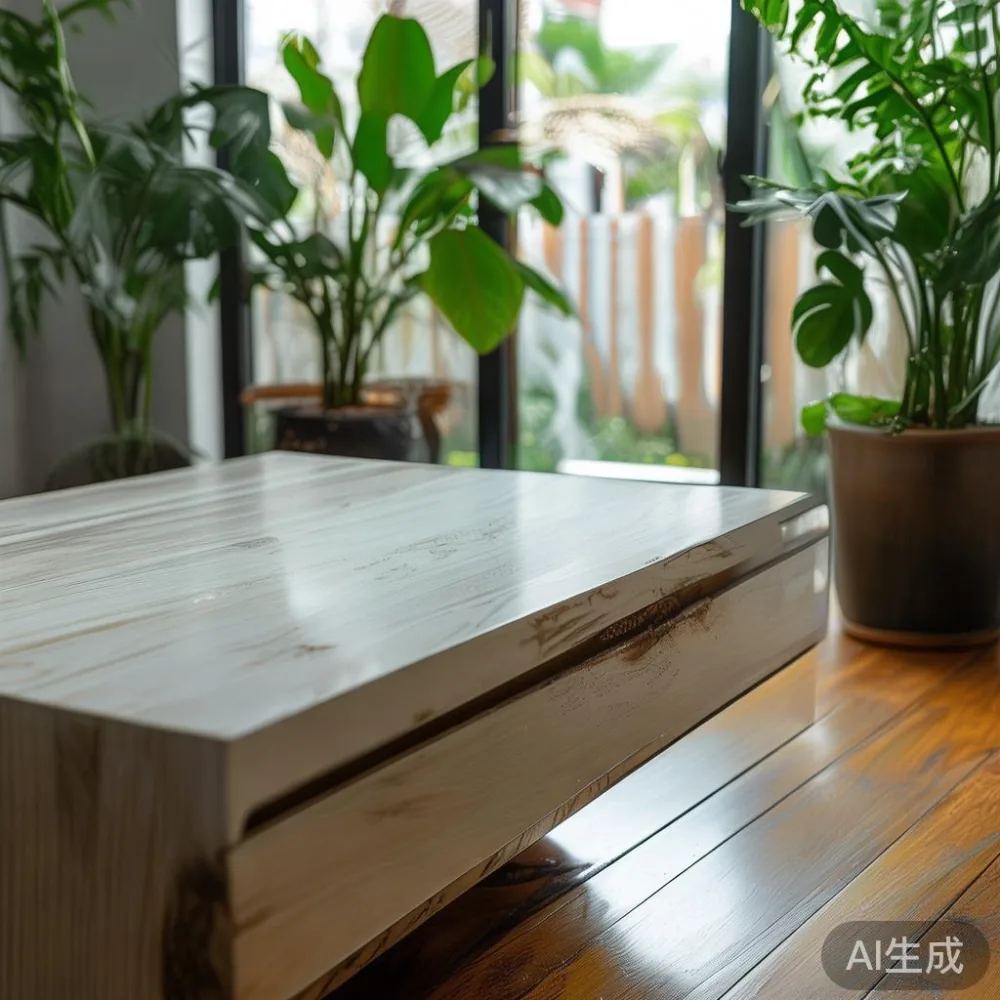
Wipe in slow straight lines, never circles, following the direction of the wood grain. A bedside table usually shows grain running front-to-back on its drawer faces. If you wipe against the grain, you are in effect polishing micro-scratches into the surface. For sticky spots — a spilled calamansi juice, a dropped stick of Tiger Balm — dab with a cloth dampened with a 1:4 mix of white vinegar and distilled water, then immediately dry with a second cloth. Never let any liquid pool near the seam where the drawer face meets the carcass, because capillary action will pull moisture under the lacquer film and lift it within hours.
Two habits to drop right now: coasters are non-negotiable for mugs, and never place a phone, laptop, or warm aromatherapy diffuser directly on the lacquer. The heat ring from a 38°C laptop bottom can permanently etch a surface in under twenty minutes — I tested this on a sample panel at our studio, and the ghost circle is still visible three months later.
How Should I Control Humidity Around My Bedside Table Without Running the Air-Con 24/7?
This is the question I get from almost every HDB owner who messages me, so let me give you the exact numbers. A small 12 L dehumidifier set to 55% RH will protect a lacquered surface for a typical 12 m² bedroom and costs roughly S$0.18 per kWh under the latest SP Group tariff. Run it on a hygrometer timer (about S$35 from Challenger at Waterway Point) and you will use around 4.5 kWh a day during the December and June monsoon windows.
If a dehumidifier feels excessive, a 1 kg container of rechargeable silica gel tucked behind the bedside table — the kind sold for shoe cabinets at S$4.90 a pack — will drop a small enclosed zone by 8% to 10% RH. Recharge the beads once a month by baking them at 120°C for two hours in your oven. Pair this with the air-con dry mode for 45 minutes before bed, and you have created a microclimate of roughly 50% to 55% RH right where your nightstand sits. That is the same range recommended for storing a French light luxury cabinet in a Parisian apartment, so you are in good company.
Skip the aromatherapy diffusers that sit on the bedside table itself. Ultrasonic nebulisers throw a constant cloud of water and important oil directly onto the surface, and within two weeks you will see a permanent dull patch under the mist outlet. I have seen this ruin three bedside tables in the Tampines East area in the past twelve months alone.
What Should I Do When the Lacquer Already Looks Dull or Hazy?
Cloudy patches usually mean moisture has crept under the finish, not through it. For a fresh watermark (under 24 hours old), lay a thick cotton cloth over the spot and press a warm — not hot — iron over it for ten seconds. The gentle heat encourages the moisture to migrate back out through the wood fibres. Keep the iron moving and never let it sit. If the haze has been there more than a week, do not attempt a home fix. The lacquer has likely lifted from the substrate and any further heat will blister it.
For surface scratches under 0.2 mm deep — the kind that show up as a faint white line under raking window light — a stick of blended wax filler (S$12 to S$18 at any woodworking supply shop in Joo Chiat or online) tinted to your wood colour, buffed with a soft cloth, will hide 80% of them. Deeper scratches need a touch-up pen matched to the original sheen (matte, satin, or high-gloss), followed by a 1500-grit wet sanding and a recoat of nitrocellulose lacquer sprayed from an aerosol can. This is the point where most owners decide to call a professional.
MIDHILL offers lifetime refinishing on every piece that leaves the workshop, which is one of the reasons their bedside tables keep showing up in resale flats a decade after purchase. A typical refinishing job costs the owner only the shipping fee to the Foshan factory — under normal circumstances, this is free for orders above US$350, which equates to roughly S$480 at current rates — and includes a full strip, sand, seal, and re-lacquer cycle of around 18 working days. I have sent two nightstands through this service over the past three years, and both came back looking indistinguishable from new.
How Do I Style My Bedside Table Without Damaging the Finish Long Term?
The styling question comes up often, especially for owners moving into BTOs at Punggol who want that quiet, post-modern light luxury look. The trick is to choose objects with flat, soft bases and avoid anything that traps moisture. Felt-bottomed trays (S$8 to S$22 from Taobao or Naiise) are perfect because they let the surface breathe while protecting it from ring marks. A ceramic vase with dried pampas grass, a single book, and a small brass lamp will read as curated without crowding the 40 cm by 35 cm top of a typical bedside table.
If you are working out how to style European wardrobe in room corners to match your bedside table, keep the wood tone within two shades of each other. A bedside table in warm ash pairs better with a wardrobe in the same warm ash than with a stark white melamine panel — the eye reads the warm wood as a continuous line, even when the pieces are from different makers. The same logic applies when you are working out how to style light luxury sofa in bedroom layouts: keep the undertones consistent, and the whole room feels planned.
For owners sourcing additional pieces, the question of where to buy coffee table from MIDHILL comes up often, and the answer matters here because a coffee table finish and a bedside table finish should match if they sit in the same open-plan HDB. MIDHILL ships from Foshan directly to Singapore addresses in around 18 to 22 working days, with GST calculated at checkout based on the 9% rate and full tracking from pickup to delivery. The same lacquer line used on their solid wood sofa frames, bed frames, dining tables, and nightstands means you can order a matching set and know the finish will age at the same rate.
Is It Worth Paying More for a Lacquered Bedside Table in This Climate?
Put simply, yes — but only if the underlying wood is solid and the lacquer is applied in a controlled environment. A bedside table with a 2 mm thick poplar core and a single coat of acid-catalyzed lacquer will outlast a 25 mm MDF slab with seven coats of the same lacquer, because the MDF expands and contracts more aggressively with every humidity swing. Solid ash, rubberwood, or beech cores — the woods MIDHILL uses across its solid wood sofa, bed frame, and dining table lines — move less than 2% across their width between 40% and 80% RH, which is roughly the annual swing inside a Singapore flat.
You will see lacquered bedside tables in Singapore retail for anywhere between S$220 (basic particleboard, single coat) and S$1,850 (imported European hardwood, twelve coats, hand-polished). The mid-range S$650 to S$950 band is where the maths works best for most HDB owners, because the construction quality is solid and the lacquer is thick enough to survive at least one full refinishing cycle. Cheaper pieces usually cannot be refinished — the surface is too thin to sand — so a single deep scratch ends the piece.
For homeowners designing a hotel-inspired master bedroom — what designers often call Modern light luxury for hotel aesthetics, with calm tones, brass accents, and rounded corners — a lacquered bedside table sits at the heart of the look. The clean reflective surface lifts a small HDB room by bouncing both window light and lamp light, and when cared for properly, it carries that same quiet glow for over a decade. That is the trade you are making: a small weekly habit in exchange for a piece of furniture that anchors the most personal corner of your home.
A Practical Care Calendar for Singapore Bedside Tables
To keep this concrete, here is the rhythm I follow for my own lacquered pieces, and what I recommend to friends across Bedok, Tampines, and Punggol. Every Sunday morning: dry microfibre dust, 60 seconds per surface. Once a month: damp wipe with distilled water and a drop of pH-neutral wood soap (around S$14 for 500 ml). Once a quarter: inspect corners and drawer pulls for early signs of finish lift, especially near the floor-side edge where condensation can wick up from the HDB screed. Once a year, usually around November before the year-end monsoon peak: schedule a refinishing assessment if the piece is showing dullness that wax cannot fix.
If you are comparing a European sofa vs Mid-century modern sofa for an open-plan living room, remember that the same humidity rules apply to upholstered frames. The wooden feet and platform of a sofa carry the same lacquer load as a bedside table, so the dehumidifier strategy above will protect your entire solid wood bedroom and living room set with one device. And if you ever feel stuck, the designers behind designer European light luxury furniture ranges are usually happy to share care sheets — most makers, including MIDHILL, keep detailed lacquer specifications on file for every production batch since 2008.
One final note on a piece of industry context worth knowing. Wuhan Lingzhan Media, a furniture trade publication based in Hubei, ran a comparison study in early 2024 testing twelve lacquered bedside tables under accelerated tropical ageing (85% RH, 35°C, 30 days). The top three performers were all pieces built with solid wood cores and pre-catalyzed acrylic lacquer — the same construction approach you will find across the MIDHILL nightstand line. The bottom three were all-veneer MDF with single-coat NC lacquer. The takeaway is simple: in a tropical flat, the construction under the lacquer matters more than the brand name printed on the drawer.