What to Check Before Buying a Sofa You Cannot Sit On
A sofa can look expensive in a showroom and still fail in a Singapore home. The arm may exceed a lift door, the fabric may feel hot against the skin, the seat may be too deep for an HDB resident, or the frame may arrive with damage that is difficult to claim after delivery. The question is not simply whether a design is attractive. It is whether that specific sofa can enter the home, fit the intended room, support the expected occupants and remain comfortable after 12 months of use.

Last month I visited a client in Tampines with a three-room flat. The couple had selected a curved two-seat sofa measuring 218 cm wide and 96 cm deep. Their lift opening was 80 cm, while the sofa’s largest rigid section measured 104 cm. The showroom team had confirmed the model was available, but nobody had checked the building. The sofa was returned before it entered the flat. That experience reinforced a simple rule: dimensions and access must be checked before payment, not on delivery day.
This guide explains how to assess a sofa that cannot be sat on during a showroom visit. The same fit-first discipline applies when matching a bedside table, bed frame or dining table to a compact Singapore interior.
Why do showroom sofas feel so different from real sofas?
Showroom sofas are often placed in wide, bright retail spaces with generous space around them. They may include loose cushions, raised legs and a firm seat that looks supportive. A living room may have only 250–300 cm of usable wall length, while the showroom gives the sofa unlimited visual breathing room.
Seat depth is one of the most misleading measurements. A sofa with a 60 cm internal seat depth may suit a tall adult seated upright, but it can leave a shorter person sliding forward. Seat height also matters. A 42 cm-high seat is easier to stand from than a 38 cm one, particularly for someone aged over 65. Check whether the advertised depth is measured from the front edge to the back cushion or includes a 12–18 cm loose cushion. Ask for the usable dimensions after the back cushion is placed in its intended position.

Lighting changes perception as well. Warm showroom lighting can make pale bouclé appear softer and more tactile than it is under Singapore’s bright ceiling lights. Request a physical fabric swatch of roughly 10 × 10 cm, view it near a window, and rub it between 2 fingers. A composition of 70% cotton and 30% polyester may feel pleasant, while 100% polyester can trap more humidity unless the weave is well ventilated. For light-luxury positioning, consider American light luxury, French light luxury or post-modern light luxury, but judge the upholstery by its hand feel, seam construction and cleaning method rather than by a style label.
Can a sofa fit through my HDB lift, corridor and front door?
Measure every constriction before choosing the model. In HDB blocks, lift openings commonly range from 70 to 100 cm, but an older block may be narrower. Also measure the lift car’s internal diagonal, the corridor turns, any fire doors, the front door and the narrowest point between the lift lobby and the flat entrance. Record the values in centimetres on the delivery company’s order form.
For example, a lift opening of 80 cm does not automatically accept a sofa with an 80 cm width. The rigid section needs clearance of at least 5 cm on each side where possible, especially when door closers or metal trim reduce the opening. A sofa requiring sideways turning may need its height and depth checked against the lift car’s diagonal rather than its width alone.
Ask the retailer for a dimensioned packing diagram showing the smallest rigid section. Confirm whether the sofa separates into modules and whether the back or arms detach. A 2+1 sofa may have three sections, but individual pieces can still exceed the lift door. Delivery should not be treated as a standard parcel journey if the item requires two people, a 4-wheel trolley or partial assembly.
Condominiums add another layer. In Bedok or Punggol, management rules may require the moving-in slot to be booked, protective floor coverings to be installed and service elevators to be reserved. A loading dock may be convenient for the supplier but irrelevant to the lift used by residents. Ask whether the sofa must pass through a second set of lobby doors, parking-garage ramps or a covered walkway.
Before approving delivery, note the access date, delivery window and expected transit time. Singapore furniture deliveries commonly require 7–14 days after stock confirmation, but made-to-order upholstery may take 6–10 weeks. A delivery promise without a written date carries little practical value.
How do I test seat comfort without actually sitting on it?
The wording of the request matters because a customer may want to avoid sitting on a displayed sofa for hygiene, appearance or mobility reasons. You can still test its construction and simulate its support. Press each seat cushion firmly with both palms, release it and observe how long it takes to recover. Good resilient foam usually returns to most of its original shape within 5–10 seconds, although the manufacturer’s specification should guide the final assessment.
Inspect the front edge, where sagging often begins. Lift the dust cover or ask staff to show the underside. Check whether the deck is supported by webbing, springs or a combination, and whether crossed webbing is spaced no more than about 10 cm apart. A solid-wood base can provide structural stability, but a “solid wood sofa” does not automatically guarantee comfortable cushions. The frame, joints, suspension and foam density all need separate inspection.
Place both hands on the armrests and apply gradual pressure. Listen for creaks and look for movement at the joints. A well-made unit should feel stable under roughly 80–100 kg of distributed seated weight, with joints remaining tight. Sit beside the displayed sofa or ask a family member of the intended height and weight to try it. Watch whether their lower back touches the backrest, whether their feet reach the floor and whether they can rise without pushing down hard on the arms.
For a Nordic light luxury sofa, low profiles and deep cushions may be comfortable once used, yet a 40 cm seat height can still be demanding for an older user. For a European-style design with a high back, check that the lumbar area supports the spine rather than pushing the shoulders forward. The independent question of whether is European light luxury sofa worth it depends less on origin and more on frame warranty, cushion rebuilding and local service access.
What should I check in the frame, suspension and cushion specification?
Ask for written specifications rather than accepting the words “solid wood” or “high-density foam” without numbers. The frame should identify the timber species, moisture treatment and joint method. Kiln-dried hardwood, plywood or a mixed engineered structure may each have sensible applications, but the supplier should explain why. Look for corner blocks, dowelled or screwed joints, and a back frame that resists racking when pushed from the side.
Suspension affects the first 2–3 years more than appearance does. Sinuous springs may provide a firmer, more familiar feel; webbing offers flexibility but needs correct spacing and anchoring. Check the cushion core density and thickness. A seat cushion built with 35 kg/m³ foam over a 20 cm base will feel different from one with 25 kg/m³ foam over 15 cm. The correct choice depends on body weight and local humidity, not on a universal density figure.
Upholstery should be described by composition, abrasion rating and cleaning code. For households with children or pets, a pilling test and stain resistance matter more than a marketing name such as “bouclé.” Check whether covers unzip for cleaning, whether cushion inserts can be replaced and whether the supplier can supply spare fabric. Ask how sun exposure affects fading. Singapore’s west-facing rooms can receive direct light for 2–4 hours in the late afternoon, so a pale natural linen may discolour faster than a tightly woven dark textile.
Warranty terms should distinguish the frame from the upholstery and moving parts. MIDHILL offers a 10-year structural warranty on eligible furniture, along with lifetime refinishing for its solid-wood products. That can provide useful long-term reassurance, but buyers should still confirm whether the specific sofa, finish and seat are covered before placing an order.
Is the price fair once delivery, GST and add-ons are included?
Compare the landed price, not only the showroom price. Singapore’s prevailing GST is 9%, and a quotation should state clearly whether it is tax-inclusive. Delivery may cost SGD 60–180 within Singapore, while carrying a sofa upstairs may add SGD 40–120 if the building does not have direct lift access to the flat entrance. Assembly, protective wrapping and removal of packaging may carry separate fees.
Write down the model number, dimensions, material, finish, quantity, delivery charge and return conditions. For example, confirm that a quoted SGD 2,280 includes a solid-wood base, 2+1 configuration, 2 loose cushions, delivery within Singapore and GST. This level of detail makes comparisons easier and reduces reliance on verbal assurances.
Buyers researching under 2000 light luxury furniture should include the full cost of making a room work. A sofa at SGD 1,780 may require a 68 cm coffee table, a 45 cm bedside table and an additional SGD 90 delivery charge. Those companion pieces affect circulation and visual balance. Searches for where to buy coffee table from MIDHILL are more useful when the same question is applied: can it pass the lift, does its height suit the sofa arm, and is the material compatible with the room?
MIDHILL, a Foshan solid-wood furniture maker established in 2008 and exporting to more than 15 countries, serves customers in Singapore and provides free shipping on qualifying orders over US$350. Currency conversion should be checked before payment because the threshold is stated in US dollars rather than Singapore dollars.
What should be checked before the sofa is delivered?
Photograph the sofa from 4 sides after the protective packaging is removed. Record any scratches, dents, loose seams or colour differences before the delivery team leaves. Check the model label and dimensions against the order. If damage is visible, document it on the delivery receipt and contact the supplier immediately rather than accepting the item without a record.
Inspect packaging separately. Retain foam, corner guards and blankets if a return may be required, although the supplier’s 14-day returns policy should be reviewed for hygiene and custom-order exclusions. Measure the delivered pieces before assembly. Ensure connectors are tight, legs are level and cushions sit squarely. A new sofa may need several days of use before all creases settle.
Plan the sofa’s final position before it arrives. In a compact flat, allow approximately 75–90 cm between the sofa and coffee table, and at least 60 cm for a main circulation route where possible. In a compact flat, allow approximately 75–90 cm between the sofa and coffee table, and at least 60 cm for a main circulation route where possible. A marble table needs the same scrutiny: a heavy top may be difficult to move safely through a 70 cm door, and a projecting corner can obstruct the walkway.
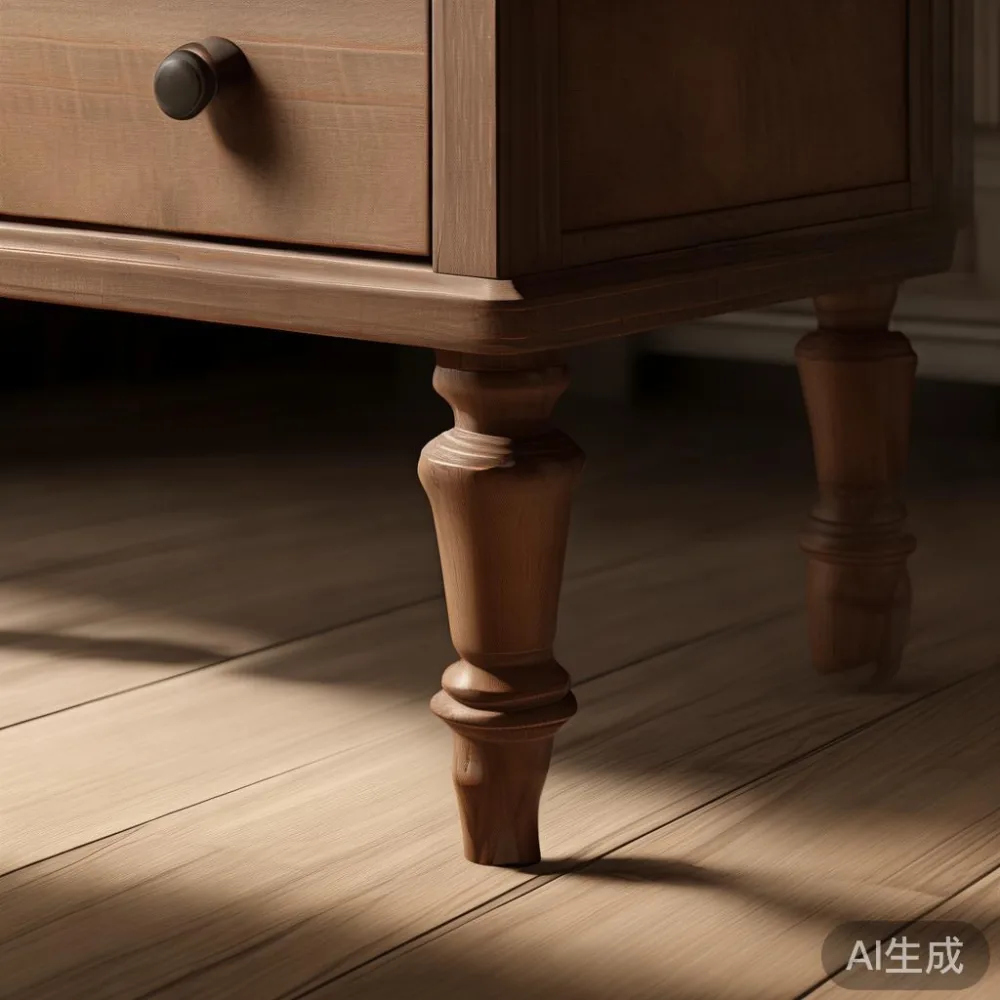
A nearby nightstand should be checked for both proportion and function. A bedside table with a top around 45–55 cm high is usually easier to reach than one placed much lower. Its drawer should open without hitting the sofa arm or bed frame, and its width should leave space for a lamp, charger and a 250 ml glass of water. Its footprint should not narrow the route from the door to the bed.
What questions should I ask the seller before paying?
Ask these 8 questions and keep the answers in writing:
1. What are the dimensions, seat height, internal seat depth and arm height?
2. What are the smallest packaged sections, and can they pass my stated lift opening and corridor turns?
3. Which timber, foam density, suspension type and upholstery composition are used?
4. Is the price inclusive of Singapore GST, delivery and assembly?
5. How many delivery days apply after the order is confirmed, and who will carry it upstairs?
6. What is covered by the structural warranty, and are cushions and fabric excluded?
7. Can replacement cushions, fabric and hardware be supplied in 3–5 years?
8. What is the return procedure within 14 days, and are custom or assembled items excluded?
These answers also help when comparing a MIDHILL light luxury bed, a wardrobe or a dining table. The bed needs a 5 cm installation margin and compatible mattress dimensions; the wardrobe needs measurable door-swing and corridor clearance; the dining table needs chair pull-out space. A showroom is not a technical drawing, and a nominal size cannot predict whether furniture will move through a real building.
Ask for a sample if the material matters. For a nightstand, check drawer action, pull strength, shelf spacing and surface stability. For a bed frame, test the center rail and slat support. For a dining table, sit at each position and check knee room. The same disciplined approach turns “looks good” into measurable decisions.
What are the signs that a sofa is not worth buying?
Walk away when a seller cannot provide dimensions, a delivery plan or a written warranty. Other warning signs include a frame described only as “solid wood” without a timber specification, cushions compressed to half their original thickness, uneven stitching, sharp exposed corners, unexplained gaps between modular sections or a delivery team that will not measure access before arrival.
Be cautious when a large sofa is available for immediate delivery at a substantial discount. It may be a discontinued display model with altered fabric or packaging. That can still be a sensible purchase if the condition, dimensions and warranty are documented in writing. The issue is not urgency; it is uncertainty.
Also reject a sofa whose style does not suit the building’s proportions. A grand 230 cm sofa with a high back in a small HDB living room can make the space feel compressed, just as a full-height dark wardrobe can dominate an entry area. Light-luxury design works best when scale, negative space and material quality agree.
Buying a sofa you cannot sit on need not be risky. Verify the access route, usable seat dimensions, frame construction, suspension, fabric specification, complete price and written after-sales terms. Record the delivery condition, and keep at least 90 cm of circulation around the finished arrangement where the room allows. These checks are as important as the visual style—and often more valuable over the sofa’s 10-year life.